



The Research Council Announces Innovation Grants
The Research Council of Norway recently announced funding to support innovation projects in the business sector (IPN) for 2026. Funds have been earmarked for projects in the land-based bioeconomy, including the forest and wood value chain.
There is no application deadline, so applications are processed on a rolling basis.
46 million for the land-based bioeconomy
For 2026, the Research Council has allocated 46 million kroner to projects in this research area land-based bioeconomy. One of the main areas is Forests and Wood, which includes:
- forestry and forest management
- timber and lumber processing
- the development and use of wood in construction, interior design, and other products for outdoor and indoor environments
This means that the call for proposals covers our entire value chain.
The purpose is to support research- or development-driven innovation projects aimed at developing new technologies, products, or services in the value chains of the land-based bio-industries. The projects should contribute to sustainable value creation and the development of the land-based bioeconomy in Norway, in both existing and new value chains.
Innovation Projects in the Business Sector (IPN)
The Research Council’s IPN Program:
- Up to 50% funding for project costs (depending on the company’s size and the type of R&D activities)
- Opportunity to apply for 1–10 million kroner in funding
- Project duration: 12 to 48 months
- Requirement to collaborate with at least one R&D partner or another company
- Can be combined with SkatteFUNN for additional financial benefits
Rating
The evaluation of applications for the 2026 IPN call for proposals focuses on the quality of the application, the potential impact of the project, and the ability to carry out the project.
More information
Read more about the call for proposals here: Innovation Project in the Business Sector: Land-Based Bioeconomy 2026
Ona Flindall becomes new cluster leader
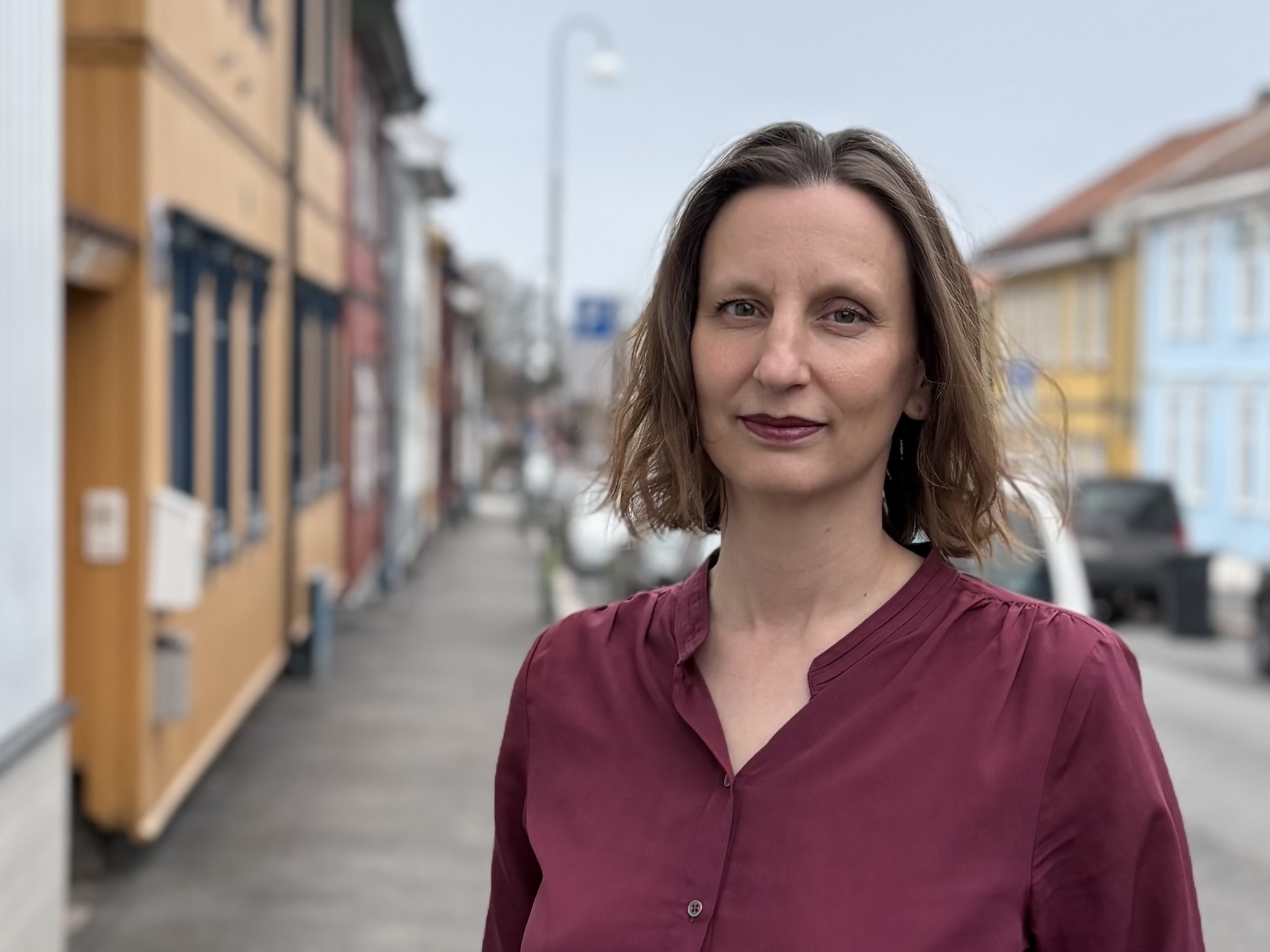
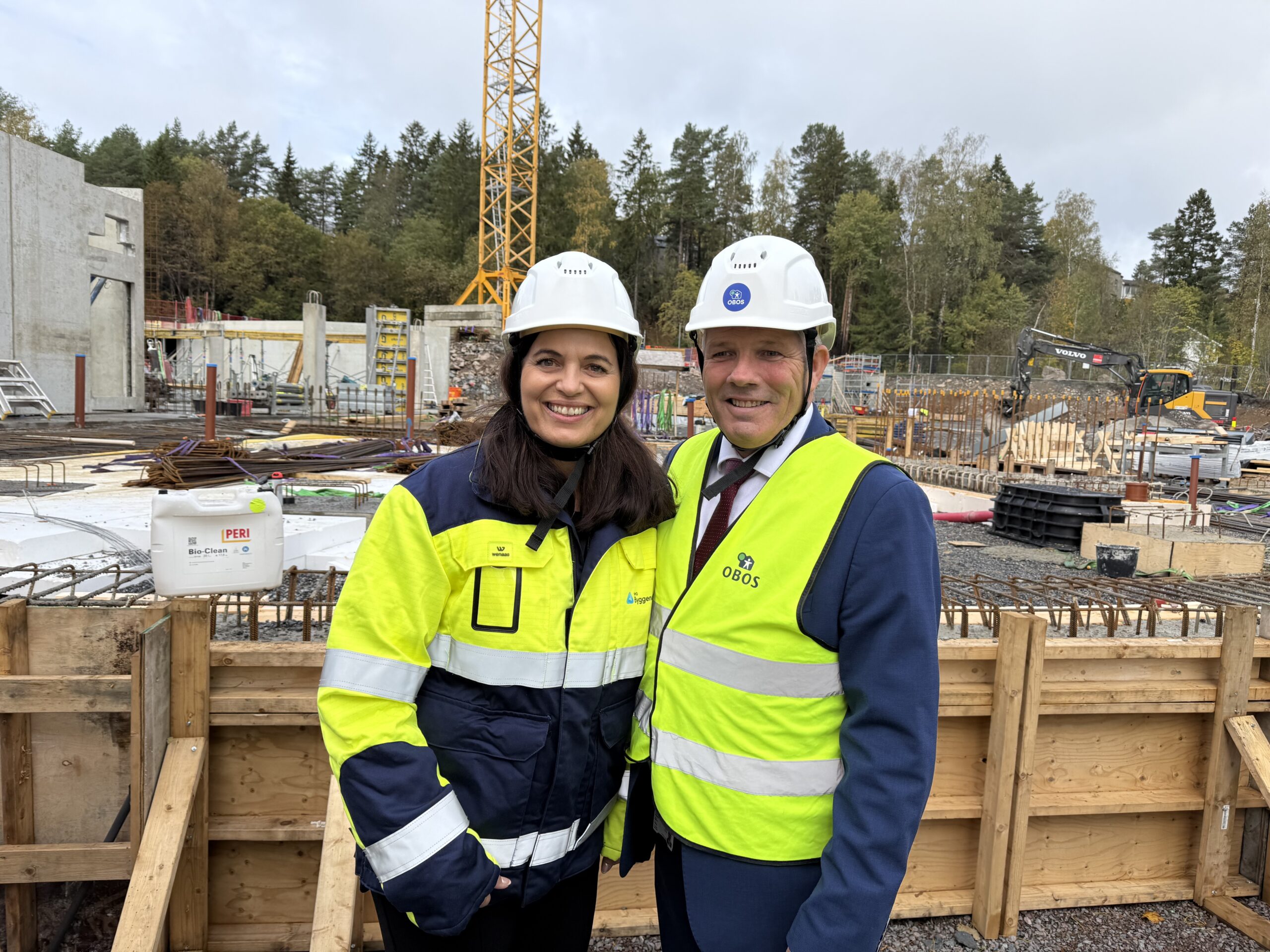
Current cluster leader Berit Sanness (68) announced a year ago that she wanted to step down as cluster leader in August 2026 to take up a freer position. The recruitment process is now over, and the board has appointed Ona Flindall (41) as the new cluster manager in Norwegian Wood.
Ona Flindall is a graduate architect from the Oslo School of Architecture and Design and has a background in the voluntary sector in the UK. She has previously been the general manager of Oslotre AS and now comes from the position of group leader for wooden structures in Sweco Norway.
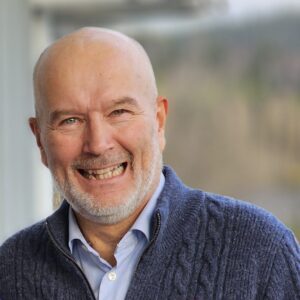
– “With Ona Flindall, we are getting a resource person who has the best prerequisites for contributing to the further development of Norwegian Wood Cluster,” says chairman Jan Tore Meren. He points out that Ona Flindall has a large network and personal qualities that are very well suited to fill the role of cluster leader.
– “We’ve been looking for a relationship-driven leader who is strategically strong and wants to further develop a growing cluster. This is exactly what we believe we have found in Ona,” says Meren.
Engaged in wood construction
The incoming cluster leader of Norwegian Wood has a strong personal commitment to building in wood.
– “I have a strong commitment to the development of our wood industry. I know Norwegian Wood Cluster from previous roles and I’m looking forward to taking on the job of cluster manager in August. It will be exciting to get to know the member companies, and I look forward to working with the rest of the cluster administration,” says Ona Flindall.
Ona Flindall will take up her position as cluster leader in Norwegian Wood Cluster on August 17, 2026.
NTNU with flexible solution for construction students
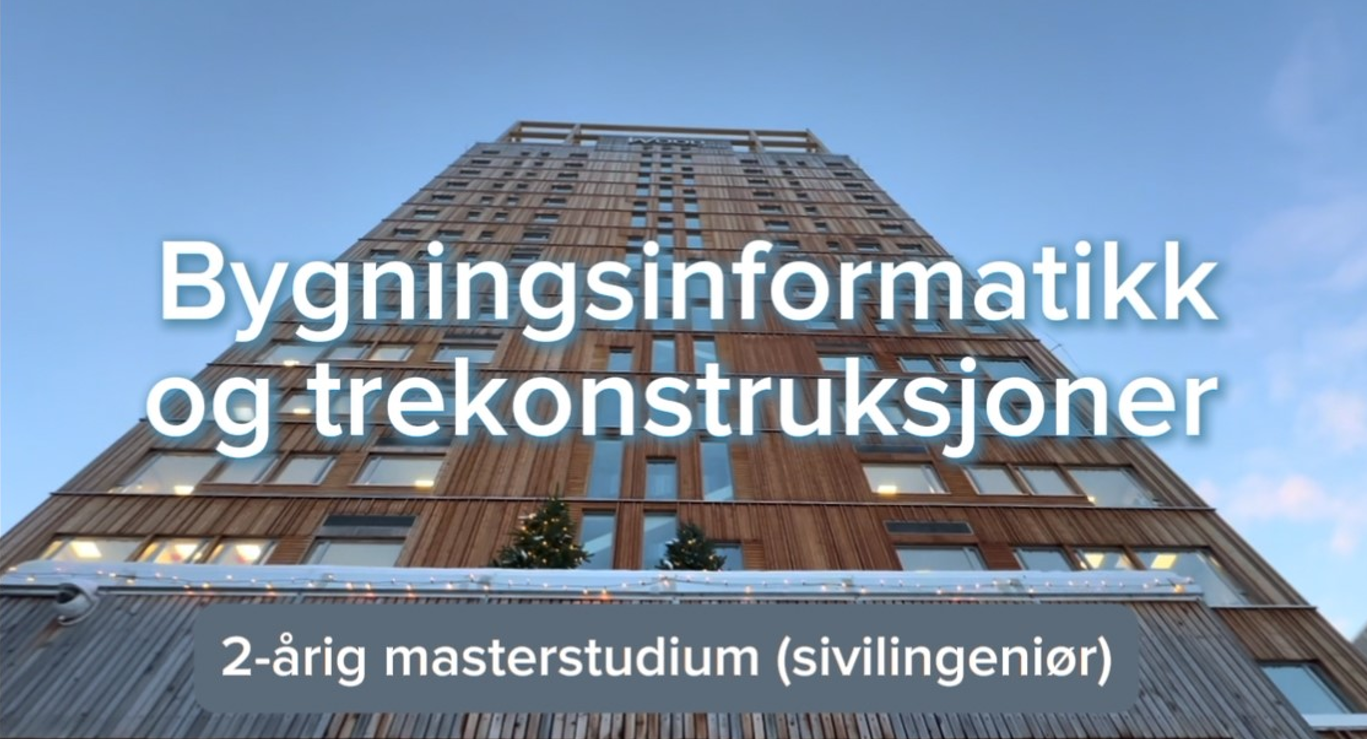
– “We are now addressing both students who are about to choose a master’s program and people who are working and want a refresher,” says Thomas Haavi, associate professor and responsible for the new master’s program in building informatics and wood structures at NTNU Gjøvik.
Combine work and study
The program is initially a 2-year full-time program, but it is possible to get a customized study plan over several years. Communication with students takes place via a digital platform, where lectures, assignments and other relevant information are posted. Many of the lectures are also video recorded. In some courses, there may be mandatory requirements that require physical attendance on certain days, such as in connection with lab exercises.
Admission requirements
You must have a bachelor’s degree in engineering with at least 25 credits in mathematics, 5 credits in statistics and 7.5 credits in physics, or equivalent education. The program is suitable for all engineers with an interest in construction.
Job opportunities
The construction industry is one of Norway’s largest industries, where there is a great need for digital expertise and an increasing focus on sustainable, circular solutions. You can work in architectural offices, in consulting engineering companies and with contractors. Common tasks include project management, design, construction and operation and maintenance of buildings.
More about the program and how to apply for admission
Video with relevant information about the program: Study program NTNU
You apply for admission here: https://www.ntnu.no/studier/mibit/opptak
Contact person at NWC: Knut Amund Skatvedt
New climate requirements in TEK17 out for consultation
The consultation proposal has been prepared by the Norwegian Building Authority (DIBK) and proposes changes to the Building Code Regulations (TEK17). The consultation deadline is May 5, 2026.
What is new in the consultation proposal?
- Several building types are subject to greenhouse gas accounting requirements
In 2022, a requirement was introduced to prepare greenhouse gas accounts for apartment blocks and commercial buildings. The requirement is now being extended to apply to larger single-family house projects over 1,000 m² of usable floor space (e.g. larger terraced house or field developments).
- More building components must be included in greenhouse gas accounts
Today’s regulations have a relatively limited scope of building components. The consultation proposal expands this to cover the most emission-intensive parts of the building, including foundations and ground structures. The greenhouse gas inventory must include at least:
- Support system (slabs, columns, beams and load-bearing walls)
- Exterior walls, floor partitions and roofs
- Foundations and ground structures
Technical installations (HVAC and electrical) are currently not included.
- Limit values are measured for the entire building
The limit values for greenhouse gas emissions must be measured in kg CO₂ equivalents per m² gross floor area (GFA). There are no requirements for specific types of material, and it is the overall emission level that determines whether the building meets the requirement, not the level of the individual building elements.
- The emissions must be documented in a completion certificate
The proposal sets clearer requirements for how the limit values should be documented:
- A greenhouse gas account shall be prepared based on a recognized method (life cycle analysis).
- The documentation must be part of the measure’s documentation in the building case
- The carbon footprint shall:
- Available at completion certificate
- Could be presented at inspection
- Handed over to the building owner
Reporting does not take place to a central national database, but is part of the municipality’s ordinary building case processing. Responsibility follows other responsibility rules in the Planning and Building Act, with clearer expectations for designers and builders.
What does the proposal for climate requirements in TEK mean for the construction industry?
For building product manufacturers, the climate requirements will mean that documented low climate footprints (EPDs) and the lifespan of materials will be given increased value. While clients and contractors will have greater responsibility for the choice of materials, waste and processes.
Initially, the proposed climate requirements are not very ambitious – but will help the “worst in class” to lift themselves up to a minimum level. There is also an alternative proposal for 10% stricter climate requirements, which many believe is a more sensible starting point. In any case, we must believe that the proposal marks the start of a gradual tightening of climate requirements in the construction sector.
The Norwegian Wood Cluster is organizing a team meeting for its members on 27 March, in collaboration with Treindustrien. At this meeting, we will provide further information about the consultation proposal and discuss a joint statement from the cluster – also regarding the handling of biogenic carbon.
What do the organizations say about the consultation proposal?
NHO The construction industry
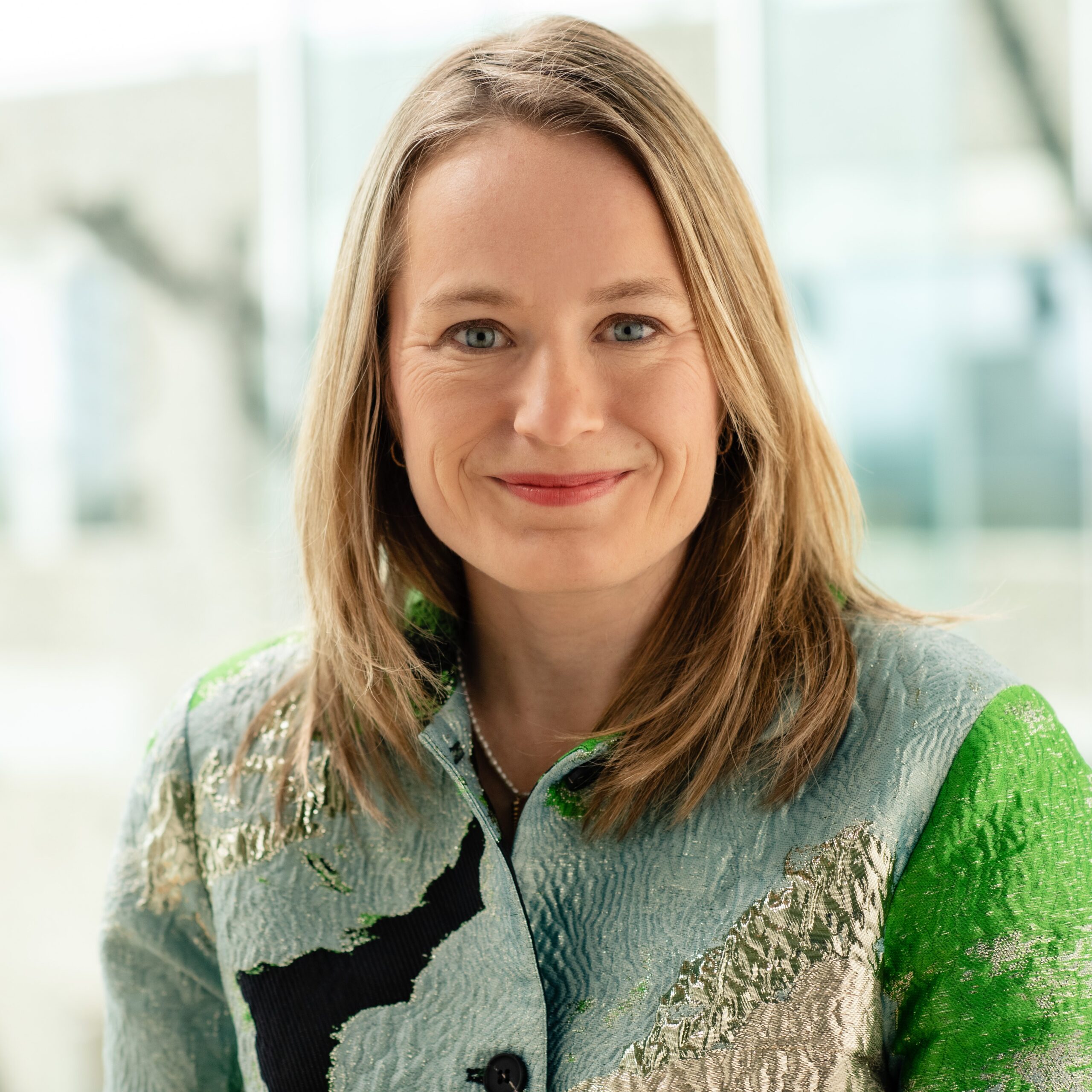
“When the focus is shifted from individual requirements to actual climate results, we can clean up a fragmented regulatory framework and remove requirements that result in high costs and little effect,” says Guro Hauge, Director of Business Policy at NHO Byggenæringen.
Read the full post from NHO Byggenæringen
Building products industry
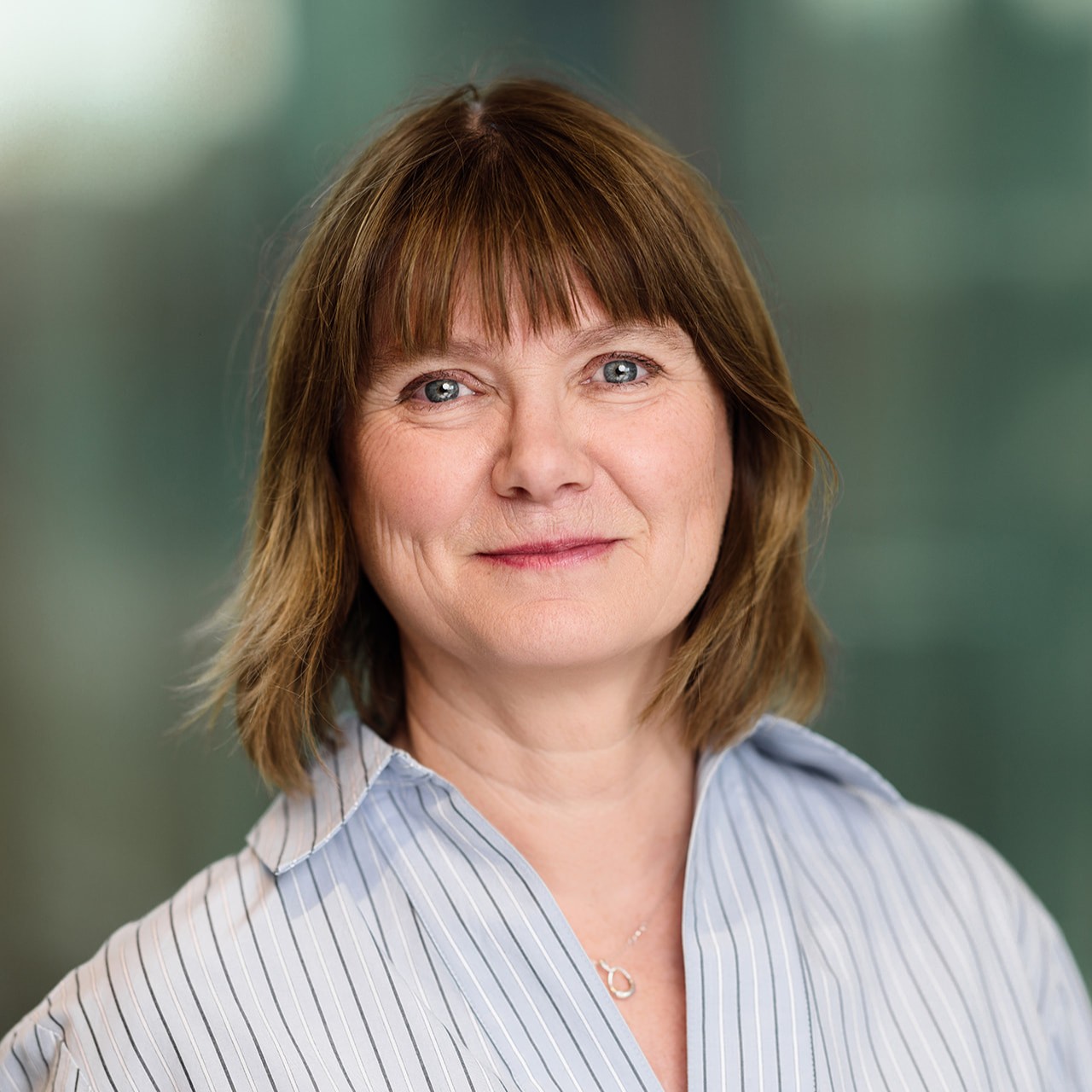
“The construction projects that will find it difficult to meet the requirements are probably those that are primarily based on imported building materials. If you use Norwegian-produced building materials, you are reasonably confident of meeting this moderate level of requirements,” says Trine Dyrstad Pettersen, Technical Manager in the building materials industry.
Read the full post from Byggevareindustrien
The wood industry
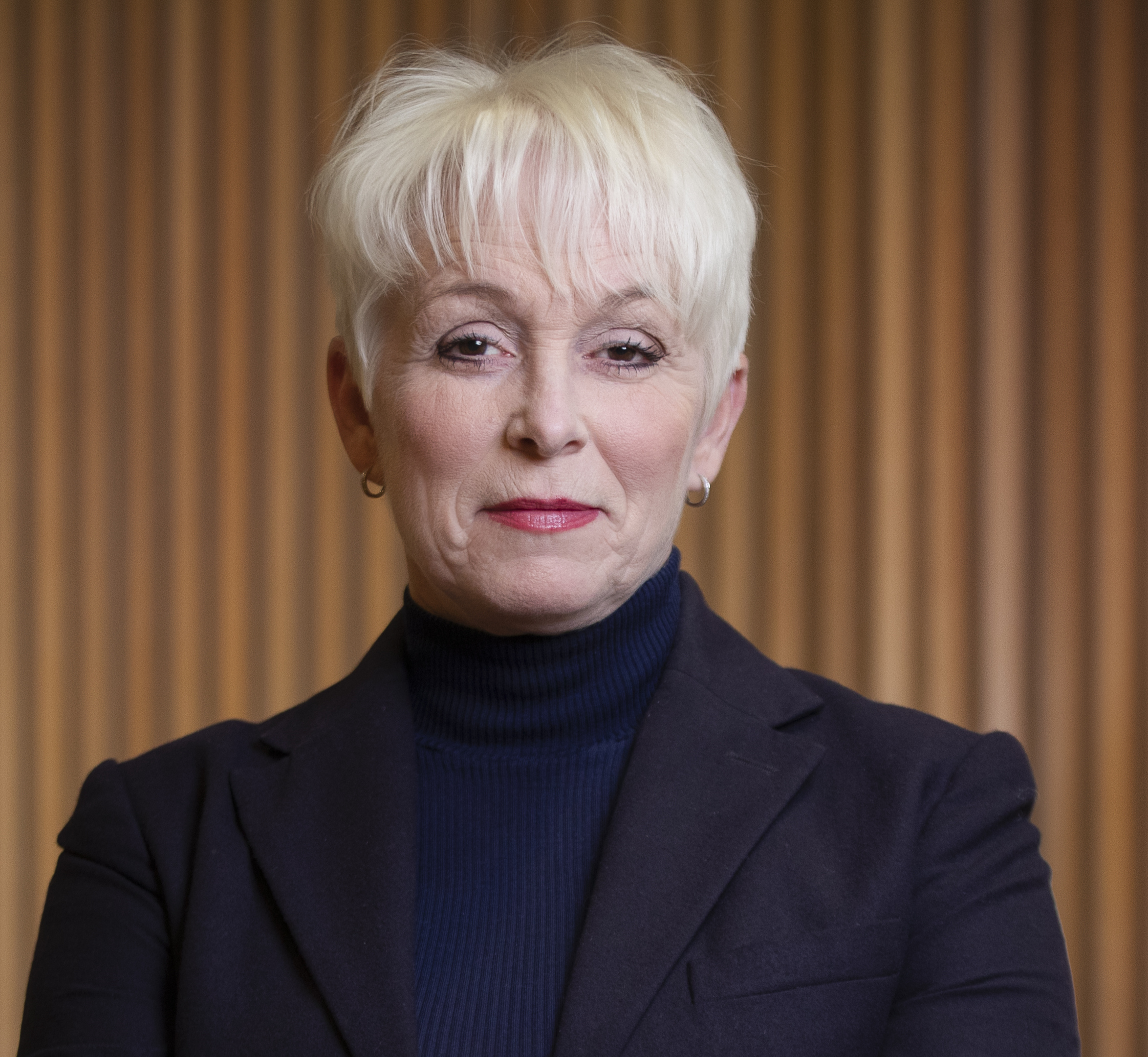
“It’s time we had requirements that contribute to actual climate improvements, and not just documentation. The most important investment has already been made in that manufacturers have prepared environmental documentation in the form of EPDs for their products. Now it’s about giving value to these investments,” says Heidi Finstad, CEO of Treindustrien.
Read the full post from Treindustrien
Contractors’ Association for Building and Construction
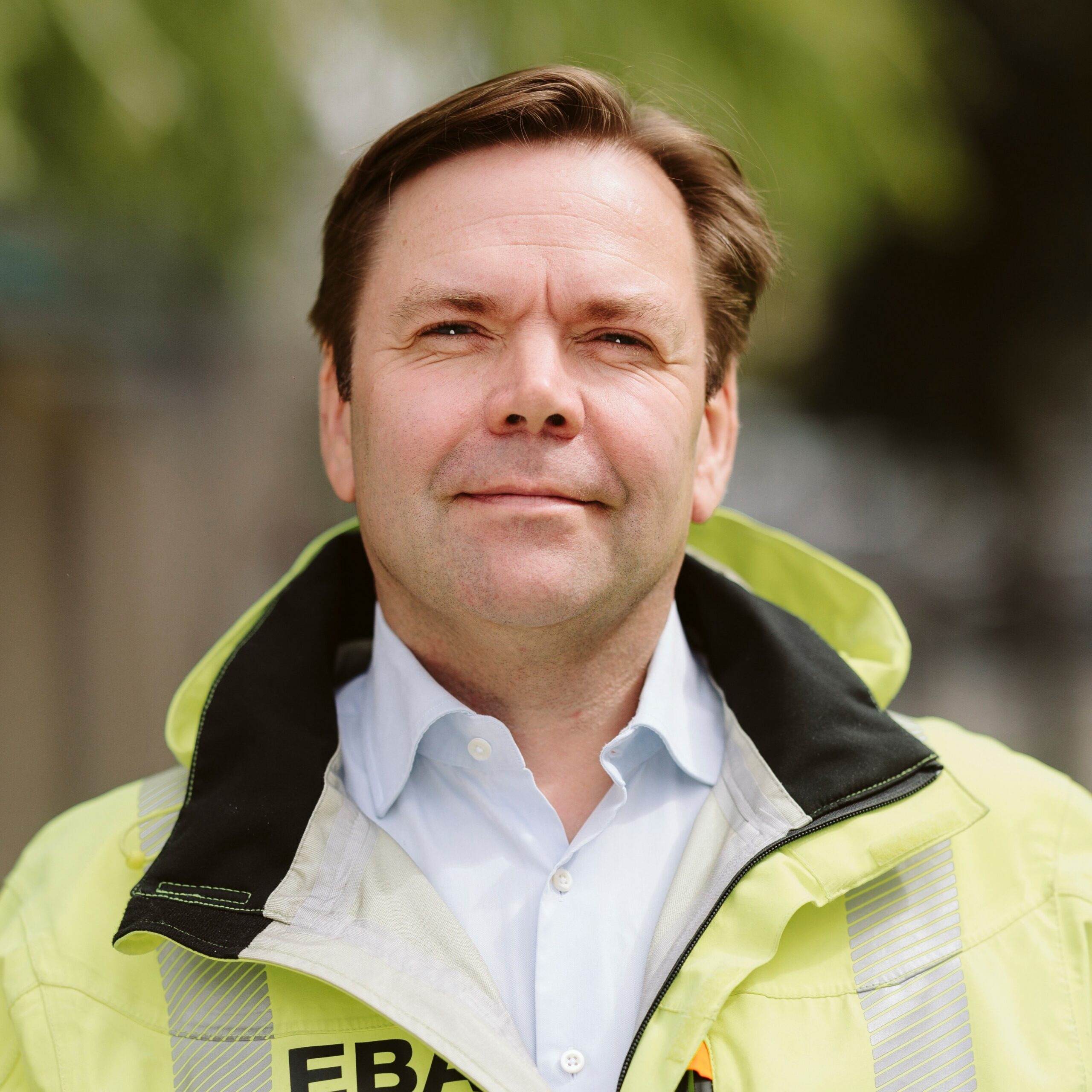
“We also believe that the requirements for limit values are at a reasonable level that makes it predictable and justifiable within technical solutions, but we will be clear that we do not want requirements that are phased in faster than the EU will do,” says Audun Blegen, CEO of Entreprenørforeningen Bygg og Anlegg (EBA).
Read the full post from EBA
Want to understand more about the background to climate requirements in TEK?
Here you can read about Opprop om klimakrav i TEK which was started by Grønn Byggallianse, Futurebuilt and Skift in 2025 and has been signed by 288 companies. As well as Investigation of climate requirements in TEK, the report from the investigation that Asplan Viak did on behalf of DiBK, to look at a possible climate requirement in TEK17 and how the requirement can be designed.
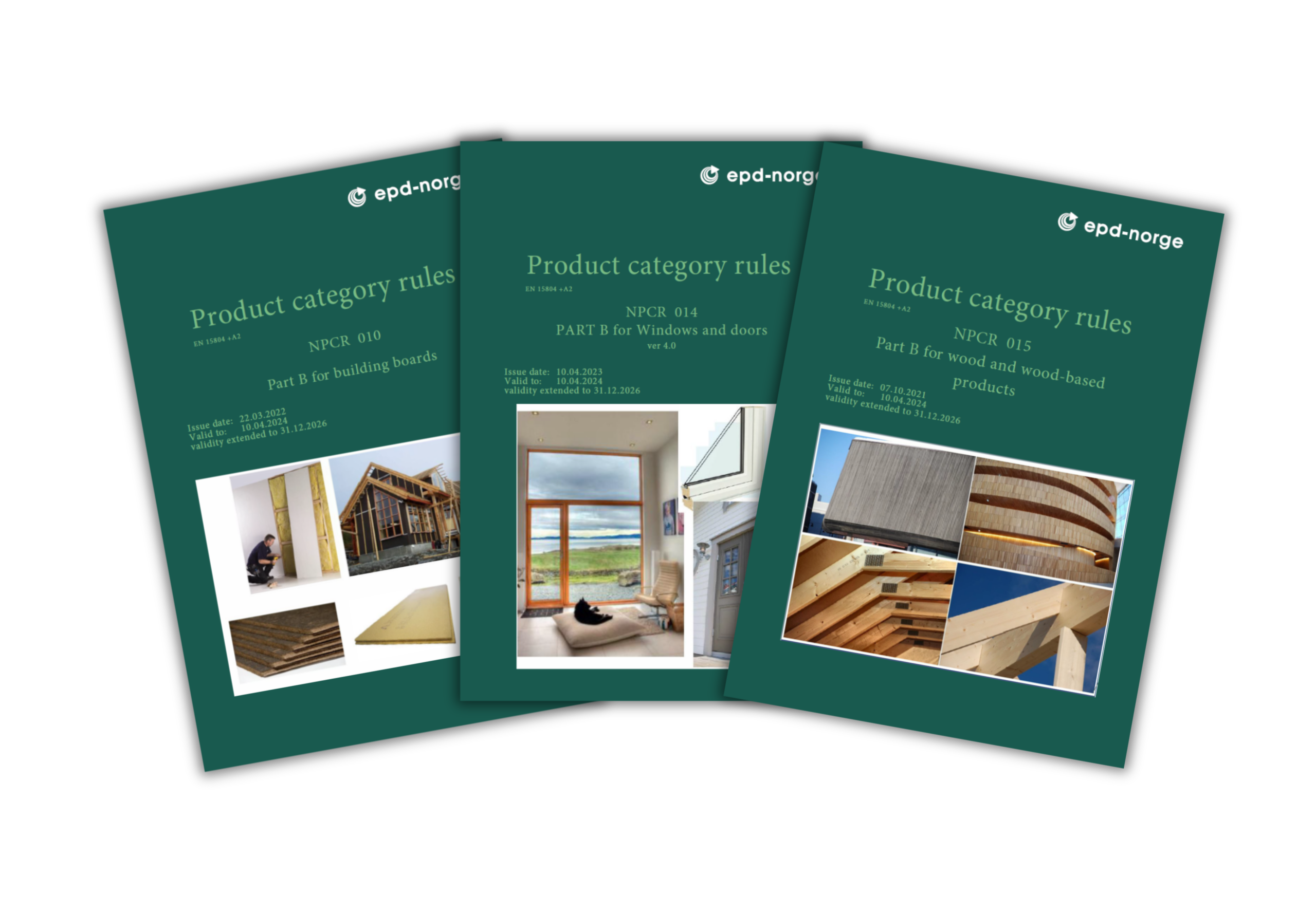
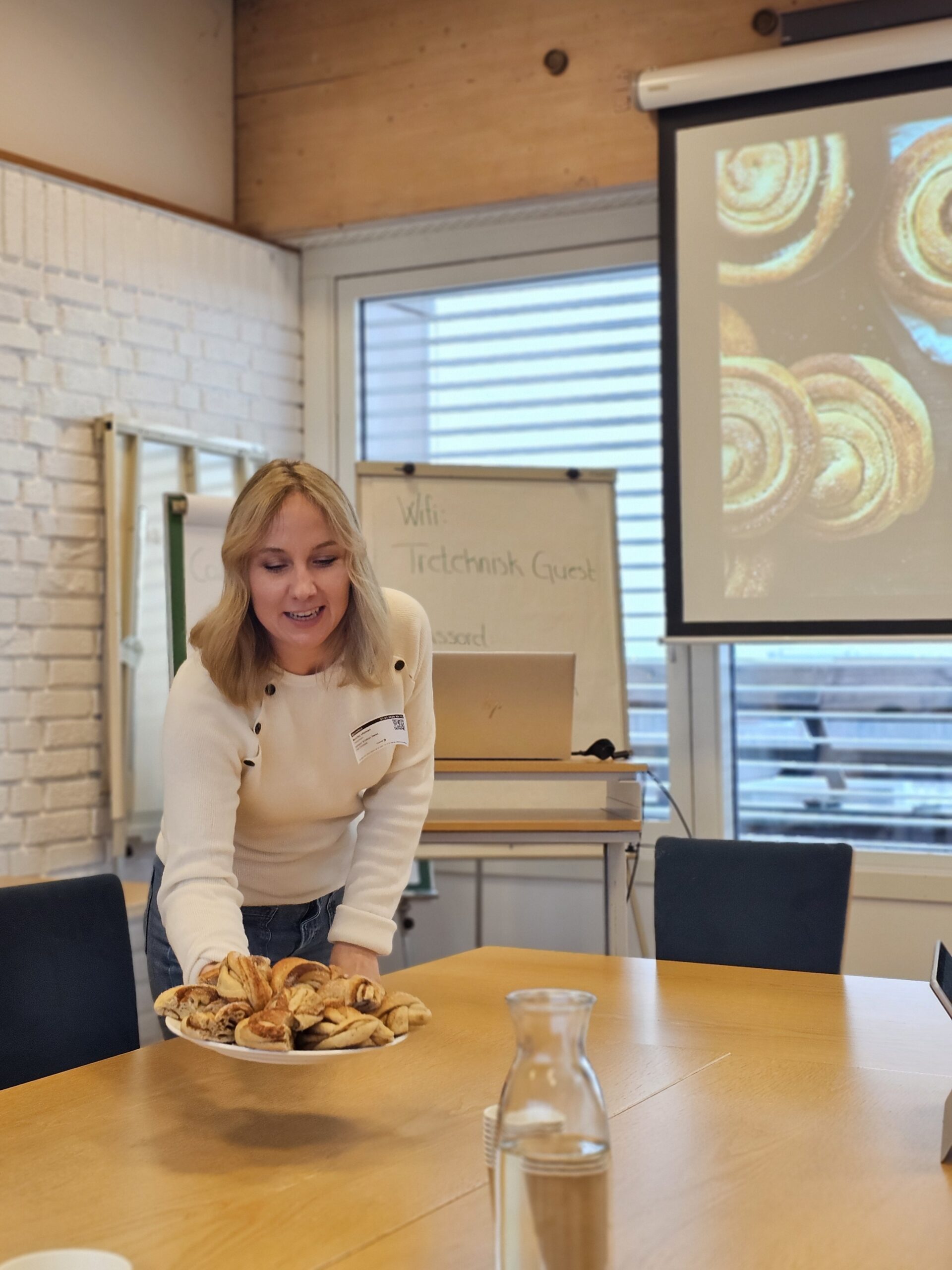
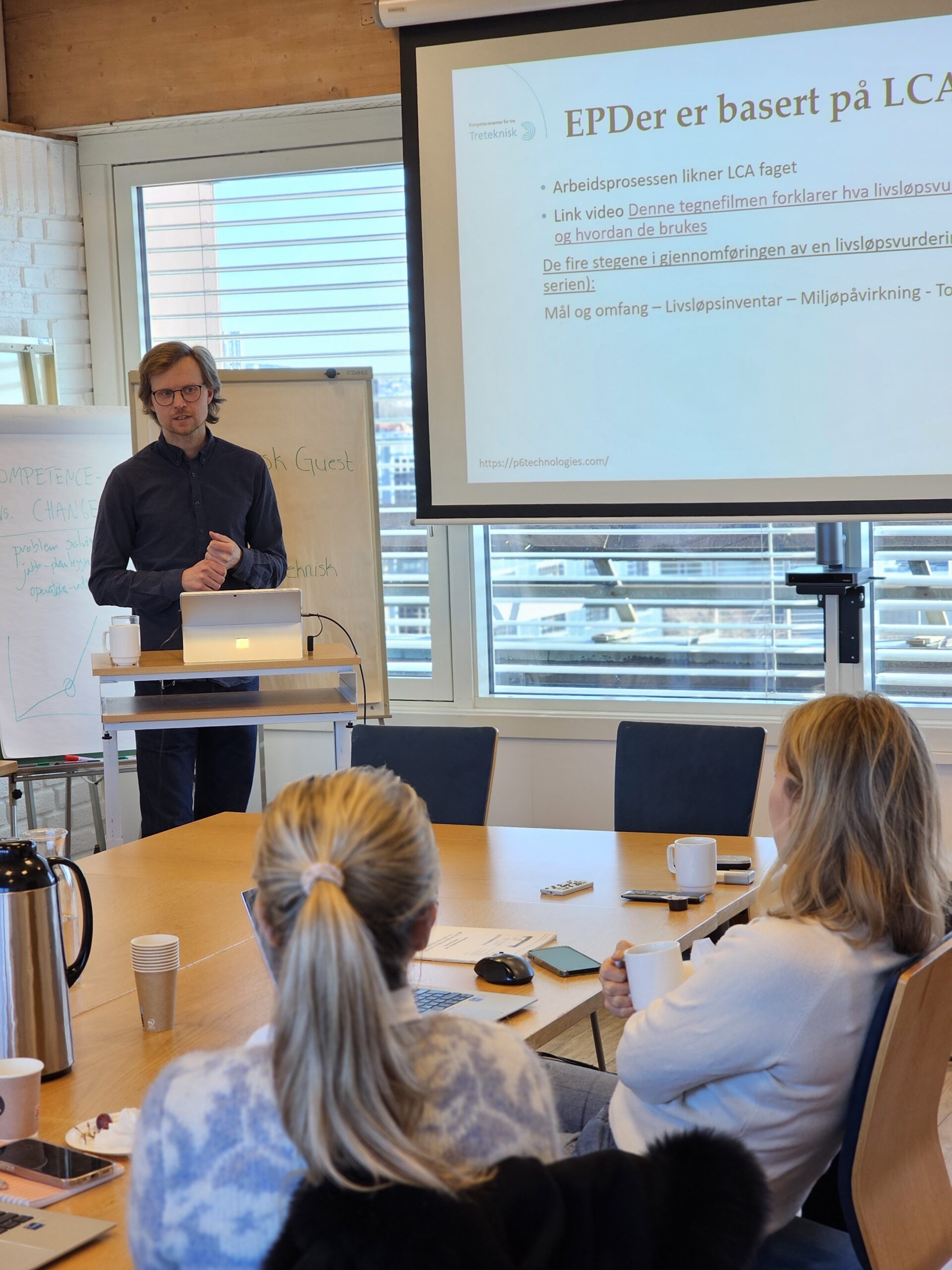
Holding a course in environmental documentation
At present, there is no legal requirement for manufacturers to produce environmental product declarations (EPDs), but more and more developers are requesting EPDs in order to document the total environmental impact of the materials in a building.
The life cycle assessment is the foundation
Before an EPD can be created, a life cycle analysis (LCA) is needed that explains the environmental impact of the product throughout its entire life cycle, from the raw materials entering the factory, to production and transportation to the customer, use and disposal at the end of the life cycle. The aim is for the product’s “life cycle” to have the lowest possible environmental impact, and to be able to see where in the life cycle it pays to make changes. For most manufacturers of wood products, the raw material and production phases (A1-A3) of a product’s life cycle offer the greatest opportunity to influence its environmental impact.
The life cycle assessment forms the basis for the figures to be included in the environmental declarations/EPDs.
The environmental declaration follows the product
The process of creating environmental declarations/EPDs for products is often carried out in collaboration with a third party that has the necessary data tools. In a typical process in collaboration with Treteknisk, you will start with a start-up meeting to plan the data collection. Then both the company and Treteknisk will go through a process of collecting data and feeding it into a demo version. After a few rounds of quality assurance of the data, the environmental declaration/EPD can finally be finalized. Treteknisk assists with the verification at EPD Norway, and then the EPD is ready for use.
The data collection
So what product and factory data is being requested? It could be, for example, shed yield, energy use and transportation distances for purchased materials and raw materials. This is data that the manufacturer has control over. It’s important to ask yourself whether you can use data that has been collected in other contexts, so that you can reuse figures from the financial system or logistics system, for example, instead of performing calculations from scratch.
You also need generic data, i.e. industry data that does not come from your own production. For a sawmill, this could, for example, apply to data on emissions from forestry or timber truck transport (but transport distance is entered specifically, including return loads).
Environmental documentation and the market of the future
It has been announced that there will be digital product passports through the EU system, so that this data can be found digitally. Work is underway to simplify the EU’s Construction Products Regulation, so we can also expect the processes for developing EPDs to become simpler in the future.

Construction advisor TUNR joins NWC
Arkitekt Christian Fredrik Morgenstierne, som også er daglig leder og partner i TUNR AS, forteller at selskapet har som formål å drive rådgivningstjenester innenfor praktisk, strategisk rådgivning og konseptutvikling innen bolig- og stedsutvikling samt arkitekttjenester. Bedriften har forretningsadresse Oslo.
– Som byggherrerådgiver bistår vi eiendomsbesittere, utviklere og kommuner. Tjenestene spenner fra mulighetsstudier og reguleringsplaner til rammesøknader, prosjektledelse og juridisk rådgivning, forteller Christian Fredrik Morgenstierne.
– Vi mener økt bruk av tre er avgjørende for å nå fremtidens bærekraftsmål innen eiendomsutvikling, og vi ønsker å bidra aktivt til denne omstillingen. Gjennom medlemskap i Norwegian Wood Cluster ønsker TUNR å være del av et faglig sterkt nettverk som jobber systematisk for å utvikle, dokumentere og fremme trebaserte løsninger i bygg- og eiendomssektoren, sier Christian Fredrik Morgenstierne.
Han leder et nystartet selskap som ønsker å bidra til at flere aktører ser de økonomiske, miljømessige og kvalitative fordelene ved økt bruk av tre, både i bolig- og områdeutvikling. TUNR jobber med prosjekter der helse, fellesskap og bærekraft er sentrale verdier.
– Vi håper å kunne bidra til å omsette klyngens kunnskap og innovasjon til realistiske, gjennomførbare og salgbare prosjekter i markedet. Sammen med øvrige medlemmer i Norwegian Wood Cluster ønsker vi å utvikle økonomisk og teknisk gode løsninger som senker terskelen for å velge tre i fremtidige byggeprosjekter. Vi mener det er viktig at også aktører på utviklersiden er representert i klyngen, og vi ser medlemskapet som en naturlig og strategisk forlengelse av TUNR sitt arbeid og verdigrunnlag, sier Morgenstierne.

CEO and partner Christian Fredrik Morgenstierne is the founder of the company TUNR AS.
Utvider kompetanse og nettverk i NWC
Klyngeleder Berit Sanness ønsker TUNR AS velkommen som nytt medlem i Norwegian Wood Cluster. Hun peker på at det har stor verdi for klyngen å komplettere medlemsmassen ved å få inn en aktør som er byggherrerådgiver og samarbeidspartner for utviklere og offentlige aktører.
– Med TUNR som medlem får vi utvilsomt inn ny innsikt og nettverk i Norwegian Wood Cluster, så vi ser fram til å bli bedre kjent med bedriften, sier Sanness.
Formelt er det styret i Norwegian Wood Cluster SA som behandler søknad om medlemskap i klyngen. TUNR AS ble tatt opp som medlem den 12. februar 2026.
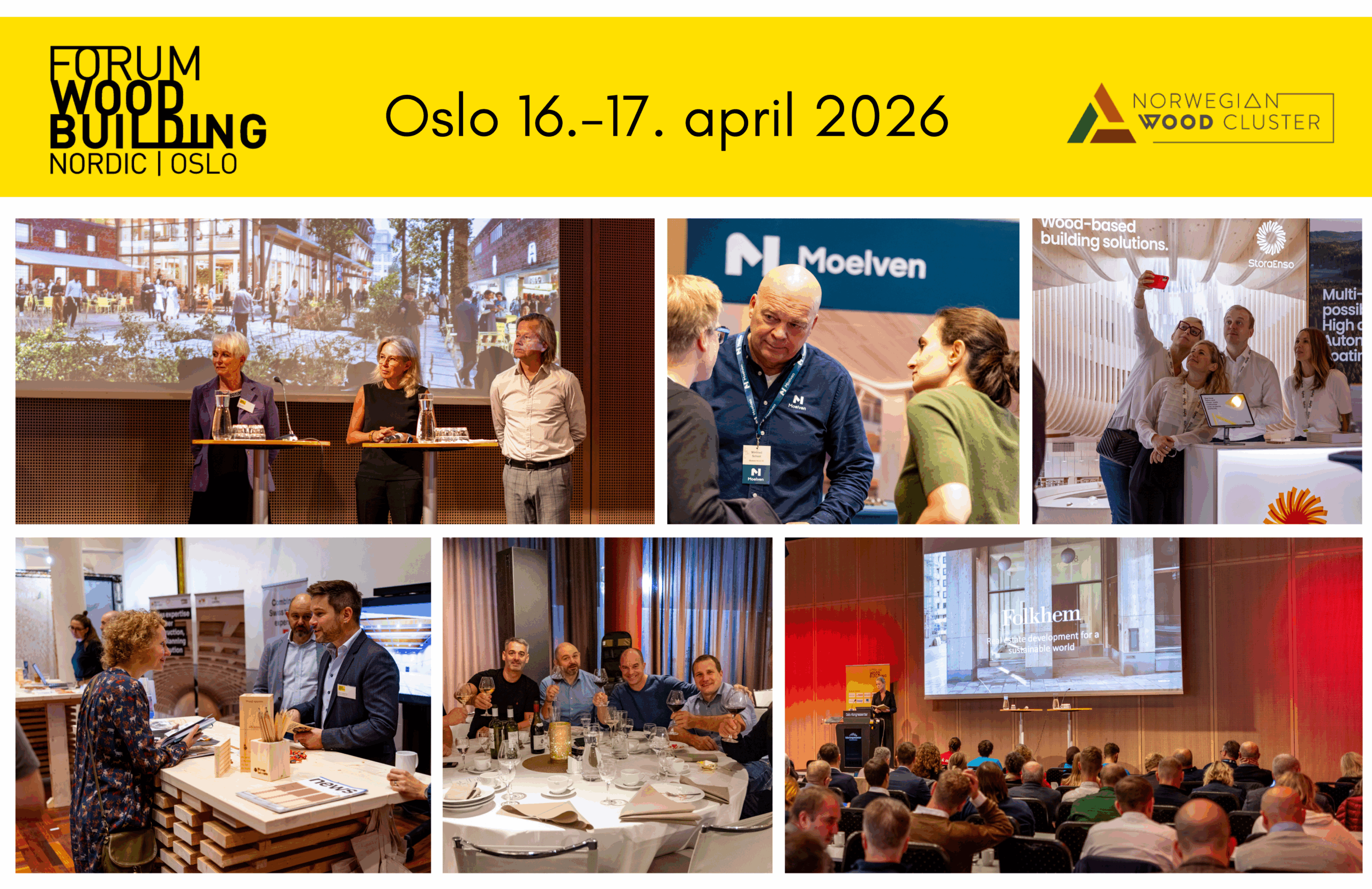
World-leading wood buildings conference to Oslo in April - POSTPONED UNTIL 2027
Forum Wood Building Nordic is the Nordic edition of Forum Wood Building, the world’s most important conference for timber structures. “The fact that the event is now coming to Norway provides a rare opportunity to be close to both customers and the market at home.
April 16-17 builders, consultants, architects, contractors and suppliers gather for two days of heavy professional expertise, good conversations and strong networking arenas – at Oslo Congress Center/Folkets Hus. Norwegian Wood Cluster is a proud co-organizer of the conference. You are also invited to a Pre-tour Wednesday, April 15 , with visits to innovative and exciting construction projects in the Oslo area.
For our member companies this is a unique opportunity to:
- meet existing and potential customers in a professional and informal setting
- use the conference as a framework for customer meetings and follow-up
- position your business in a rapidly developing market
The program with plenty of breaks, lunch in the middle of the exhibition area and an atmospheric conference dinner on Thursday evening – all designed for relationship building.
Exclusive member prices for Norwegian Wood Cluster (when booking by March 15, 2026):
- Sponsor: 15% discount
- Exhibitor: 15% discount
- Participant: 30% off
If you belong to one of our member companies, you can sign up as a participant with a 30% discount.
Registration deadline March 19
Does your company want to to take advantage of the opportunity as a sponsor or exhibitor? Contact persons:
Tobias Schauerte in Forum Wood Building Nordic
Mari Blokhus Nordtun in Norwegian Wood Cluster

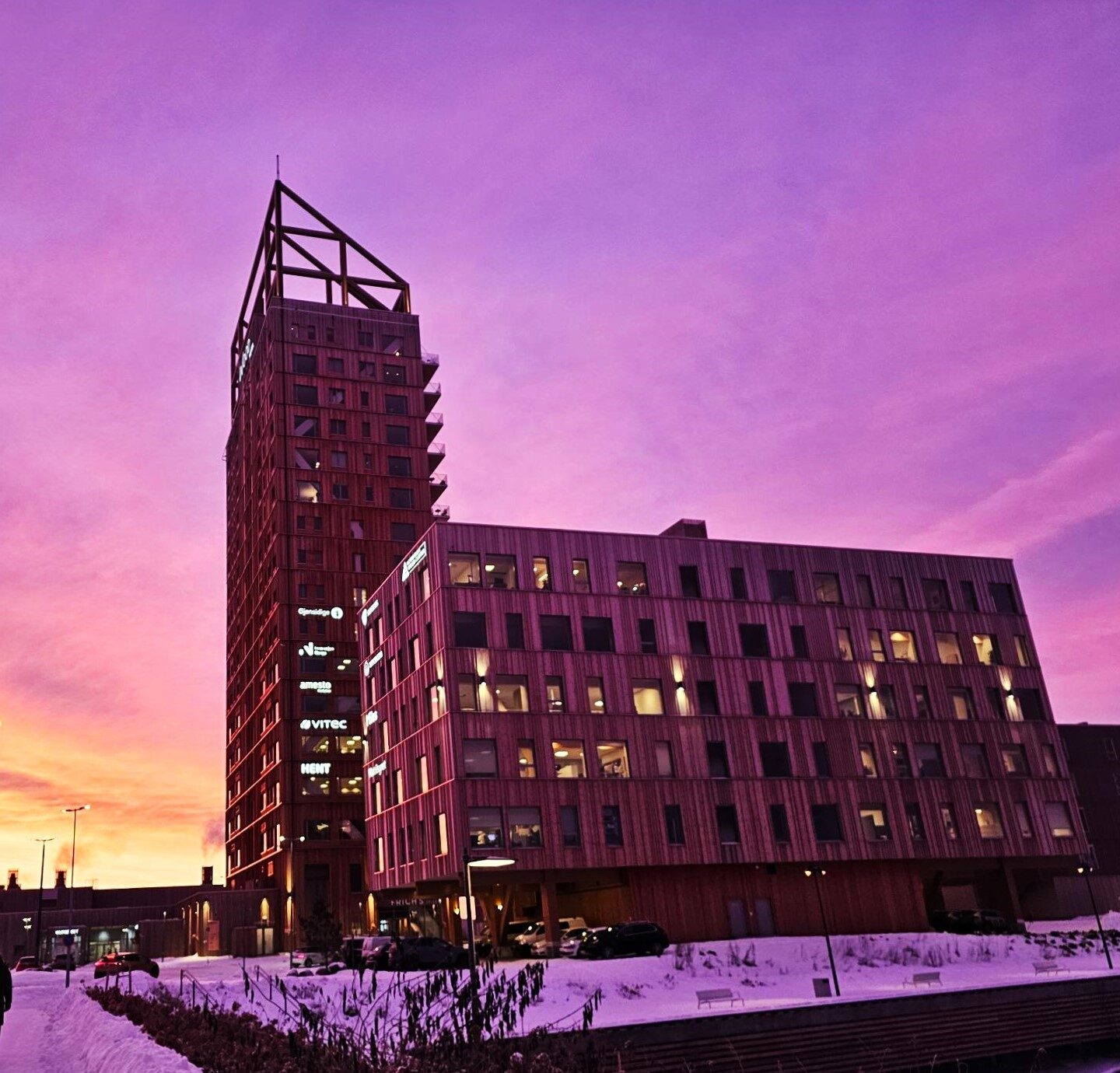
We are looking for a new cluster leader
The Norwegian Wood Cluster brings together leading industrial, technology and forest-based companies that are working together to develop the sustainable wooden building solutions of the future.
Will you take the baton?
– Our cluster leader will retire in 2026, and we are now looking for her successor. We are looking for a relationship-driven leader who is strategically strong and wants to further develop a growing cluster,” says chairman Jan Tore Meren.
As cluster leader, you will have overall responsibility for leading and further developing the Norwegian Wood Cluster. “As our figurehead, you will work closely with senior managers, professionals, researchers, authorities and innovation actors, and you will help ensure that our members benefit from the cluster collaboration,” says Meren.
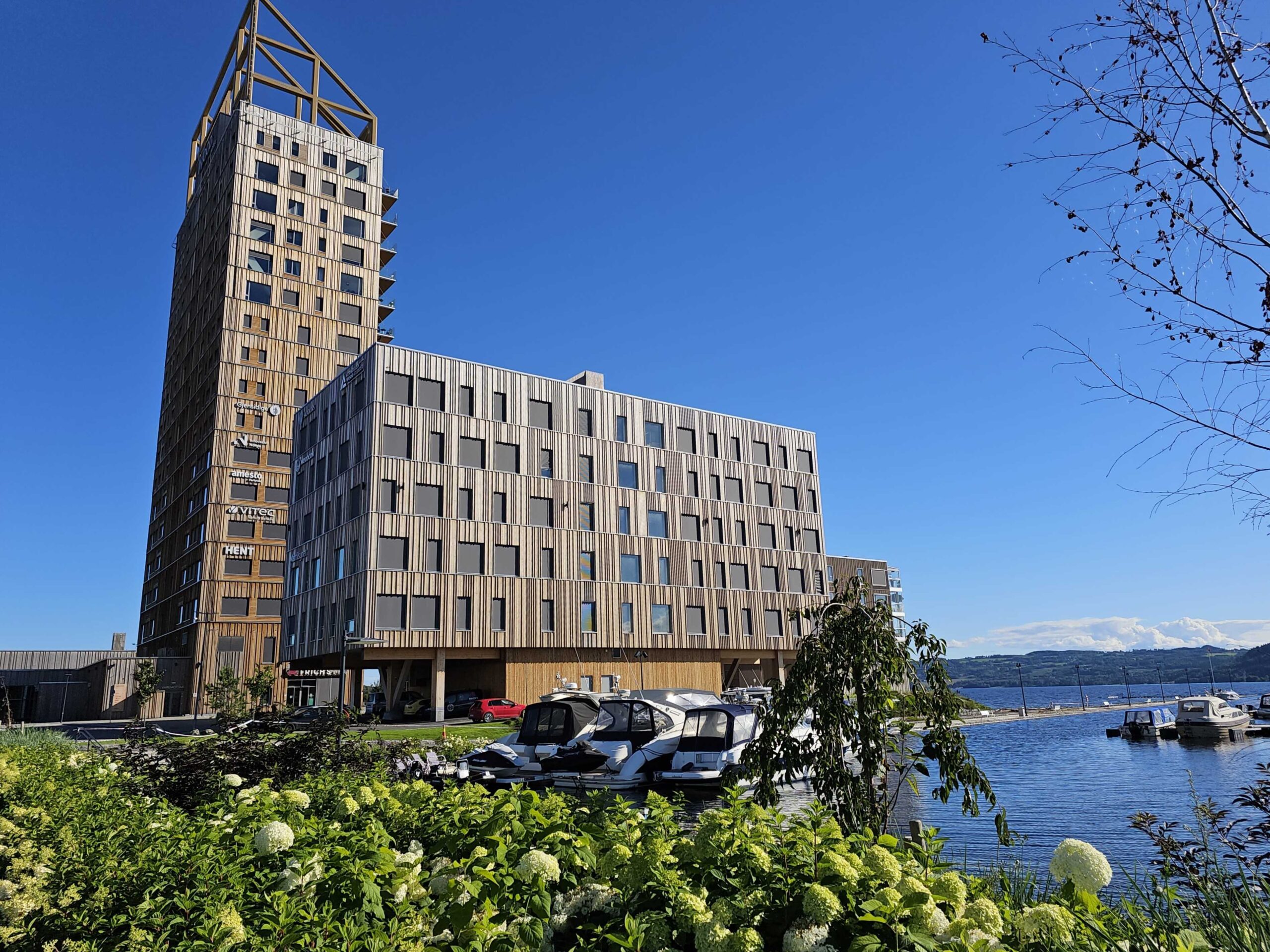
The workplace is Mjøsbrygga in Brumunddal and the position offers a high degree of freedom and the opportunity to drive forward projects that are important both regionally and nationally.
Application deadline for the position is January 25.
Do you have any questions about the position?
Please contact Chairman of the Board Jan Tore Meren at jt@meren.no or Tel 905 92 622.


New course series: Using AI in manufacturing companies
The following webinars are currently scheduled:
Tuesday, January 13 8.30-9.30: AI-assisted camera surveillance (Taigatech)
Tuesday, February 10, 8.30-9.30: Using AI for insights in the ERP database
Tuesday, March 10 8.30-9.30: AI for product development and design (Norconsult)
Responsible: Knut Amund Skatvedt, knut.amund.skatvedt@nwcluster.no
You can find the webinars in our event calendar.
Course in simple sustainability reporting CANCELLED
In 2025, the EU adjusted the level of ambition for sustainability reporting by extending the deadlines and reducing the requirements. – This has made it even more relevant for many companies to create a simple sustainability report based on the Voluntary Reporting Standard for SMEs (VSME),” says Sanness.
On the agenda since 2022
She explains that sustainability reporting has been on the agenda in the Norwegian Wood Cluster since 2022. – “There has been a great willingness to share at the many workshops we have organized, and the feedback has been that this has been very valuable for the companies. The cluster also developed its own sustainability reporting guide for the forestry and wood industry to provide an overview and make it easier for companies to retrieve relevant key figures,” says Sanness.
– However, the status is that few of the SMEs in our cluster have so far taken on the task of creating their own sustainability report. The situation is the same among the SMEs in Sweden that are from our sector,” says Sanness. She is now promoting a course in simple sustainability reporting with SMEs as the target group.
Norwegian-Swedish course offerings
The Interreg project “Circular Bioeconomy Arena” focuses on SMEs and now invites you to a course in simple sustainability reporting for SMEs. The course will be held at Mjøstårnet on March 11-12, 2026. By participating in the course, you get:
- A complete VSME report that meets the EU voluntary sustainability standard
- Peace of mind ahead of future sustainability requirements from customers and stakeholders
- Increased competitiveness by meeting the demands of larger players and tenders
- Ability to meet larger companies’ needs for sustainability data from suppliers
- Improved internal management of sustainability issues in your own company
- Offer of a mentoring session after the course
The course instructors are advisor Ida Marie H. Guldbrandsen and advisor Vegard Grønnerud at Klosser Innovation. Both have an industrial education and broad experience from various businesses, including in the field of sustainability. They will assist both during the implementation of the course itself and as mentors afterwards.
Interreg project Circular Bioeconomy Arena
Circular Bioeconomy Arena is a Norwegian-Swedish interreg project owned by Norwegian Wood Cluster and Paper Province. The project collaborates closely with Innovatum Science Park, Dalerna Science Park, Byggdialog Dalerna, Sting Innovation, Klosser Innovation, Kjeller Innovation and Circular Packaging Cluster.
Circular wood construction has a strong focus in the project. It also works with start-up companies on the Norwegian and Swedish sides that work within the forest bioeconomy.
The project is funded by Interreg Sweden-Norway and EU funds, as well as with support from Innlandet County, Akershus County, Buskerud County, Østfold County, Region Värmland, Region Västra Götaland, Region Dalerna, Vinnova and DNB.