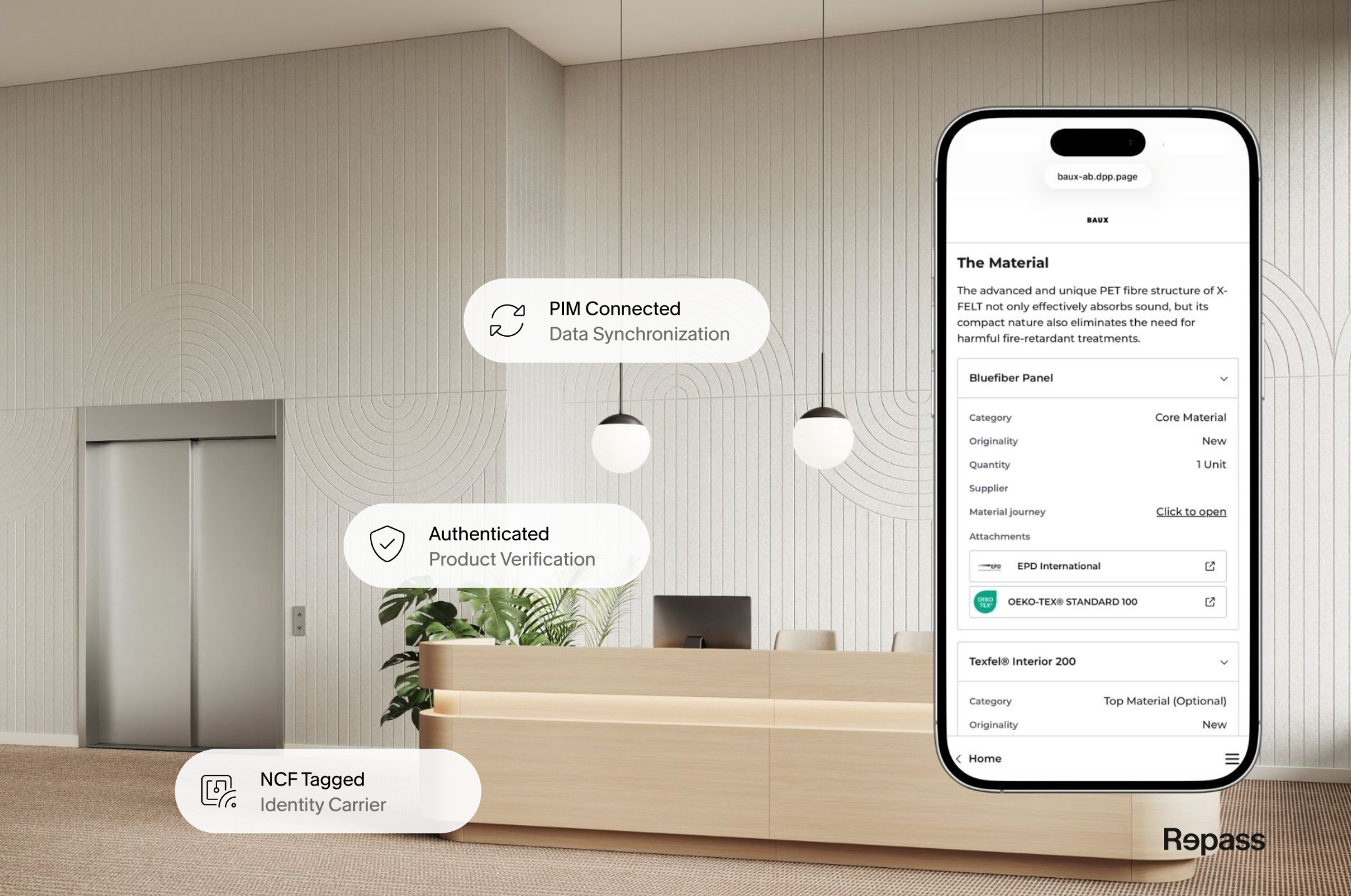
Repasdo Joins the Norwegian Wood Cluster as a New Member
The company Repasdo has developed the Repass data management platform, which is designed to make it easier to manage information across value chains. The company began its work with digital product passports and traceability in the textile and retail industries, but has now turned its attention to wood materials and circular value chains. This will be the company’s primary focus area in the coming years.

– We view the Norwegian Wood Cluster as an important arena for collaboration and innovation. Here, we meet companies that share our ambition for a more circular and sustainable value chain and are willing to test new digital solutions,” says Sara Mahdavi Rakstang, founder and CEO.
Aims to develop solutions in collaboration with the industry
For Repass, close contact with the industry is crucial to success. Through its membership in the Norwegian Wood Cluster, the company aims to collaborate closely with businesses throughout the value chain to test and develop solutions that can contribute to increased circularity, better documentation, and, not least, new value creation.
“Digital product passports and improved data flow are becoming increasingly important for documenting the origin, quality, and carbon footprint of materials. We want to contribute our expertise and tools to make it easier for companies to meet the demands and seize the opportunities of the future,” says Rakstang.
Looking forward to collaborating within the cluster
With expertise in data management, traceability, and digital product passports, Repasdo brings new knowledge to the cluster. At the same time, the company gains access to a strong professional community and relevant partners in the wood and construction industries.
We welcome Repasdo as a member of the Norwegian Wood Cluster and look forward to continuing our collaboration.
Vil utvikle løsningene sammen med industrien
For Repass er nær kontakt med industrien avgjørende for å lykkes. Gjennom medlemskapet i Norwegian Wood Cluster ønsker de å samarbeide tett med bedrifter i hele verdikjeden for å teste og utvikle løsninger som kan bidra til økt sirkularitet, bedre dokumentasjon og ikke minst ny verdiskaping.
– Digitale produktpass og bedre dataflyt blir stadig viktigere for å dokumentere materialenes opprinnelse, kvalitet og klimaavtrykk. Vi ønsker å bidra med kompetanse og verktøy som gjør det enklere for bedriftene å møte fremtidens krav og muligheter, sier Rakstang.
Ser frem til samarbeid i klyngen
Med kompetanse innen datastyring, sporbarhet og digitale produktpass tilfører Repasdo ny kunnskap til klyngen. Samtidig får selskapet tilgang til et sterkt fagmiljø og relevante samarbeidspartnere i tre- og byggenæringen.
Vi ønsker Repasdo velkommen som medlem i Norwegian Wood Cluster og ser frem til samarbeidet videre.

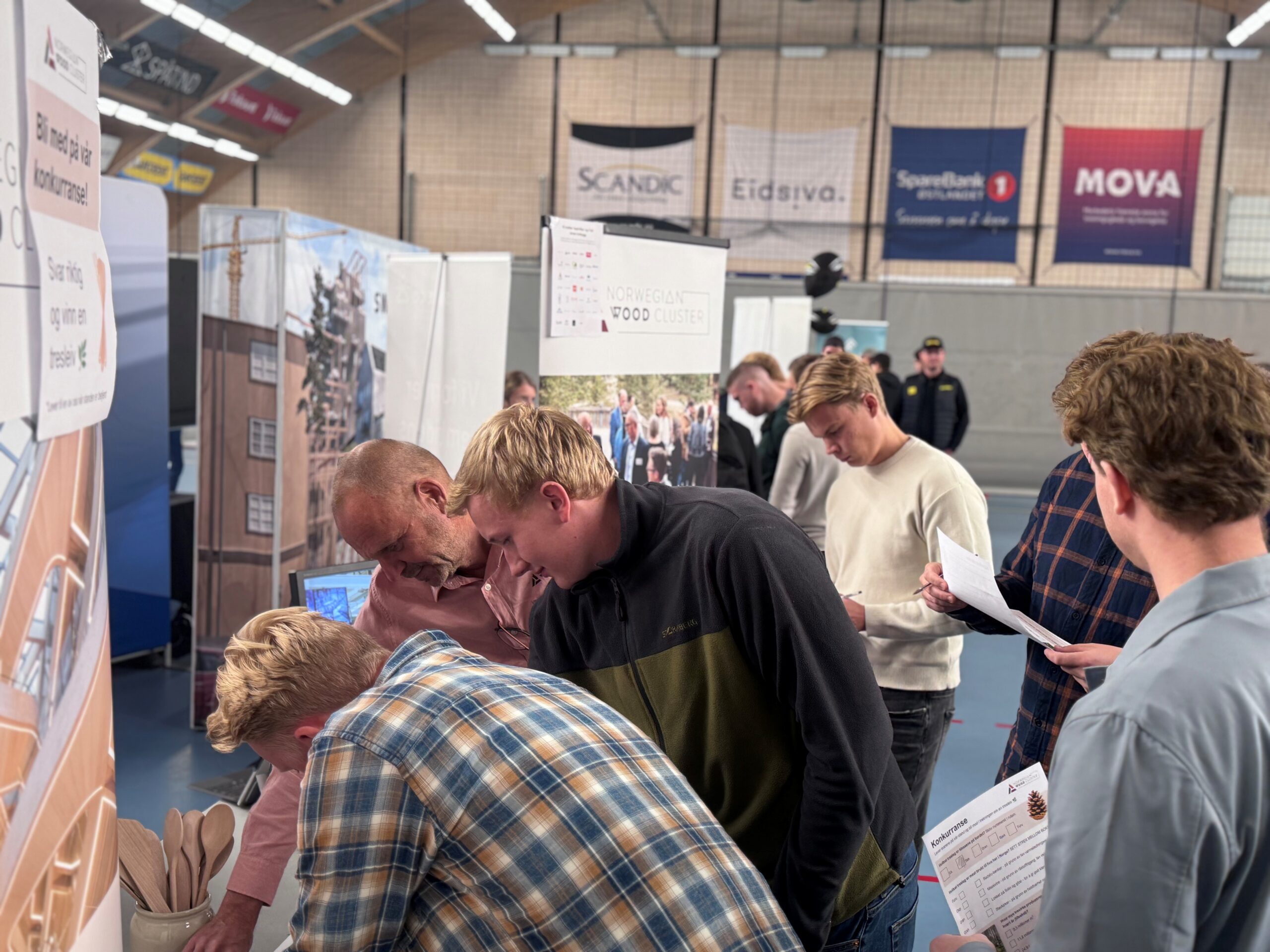
A Positive Meeting with Students
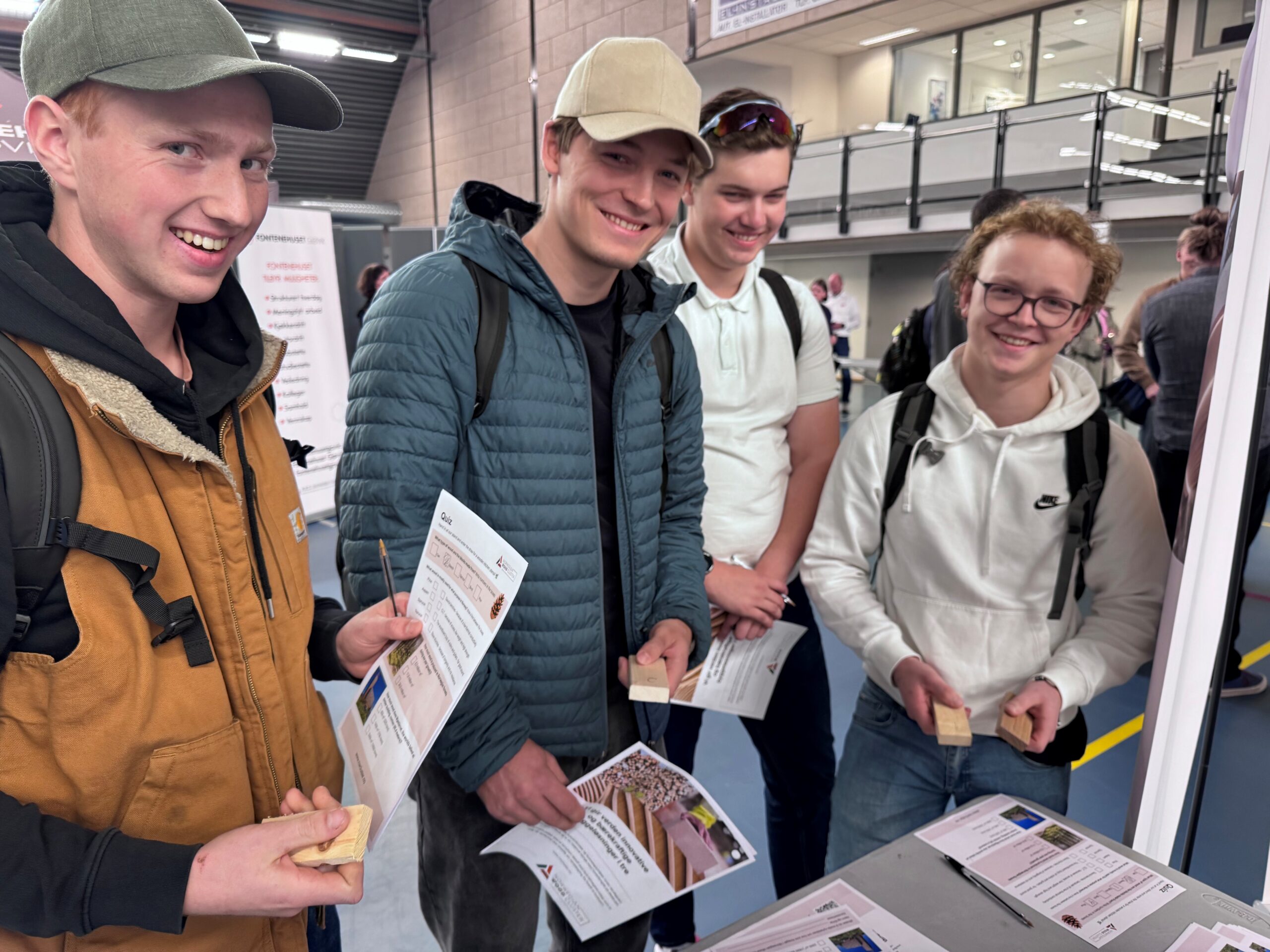
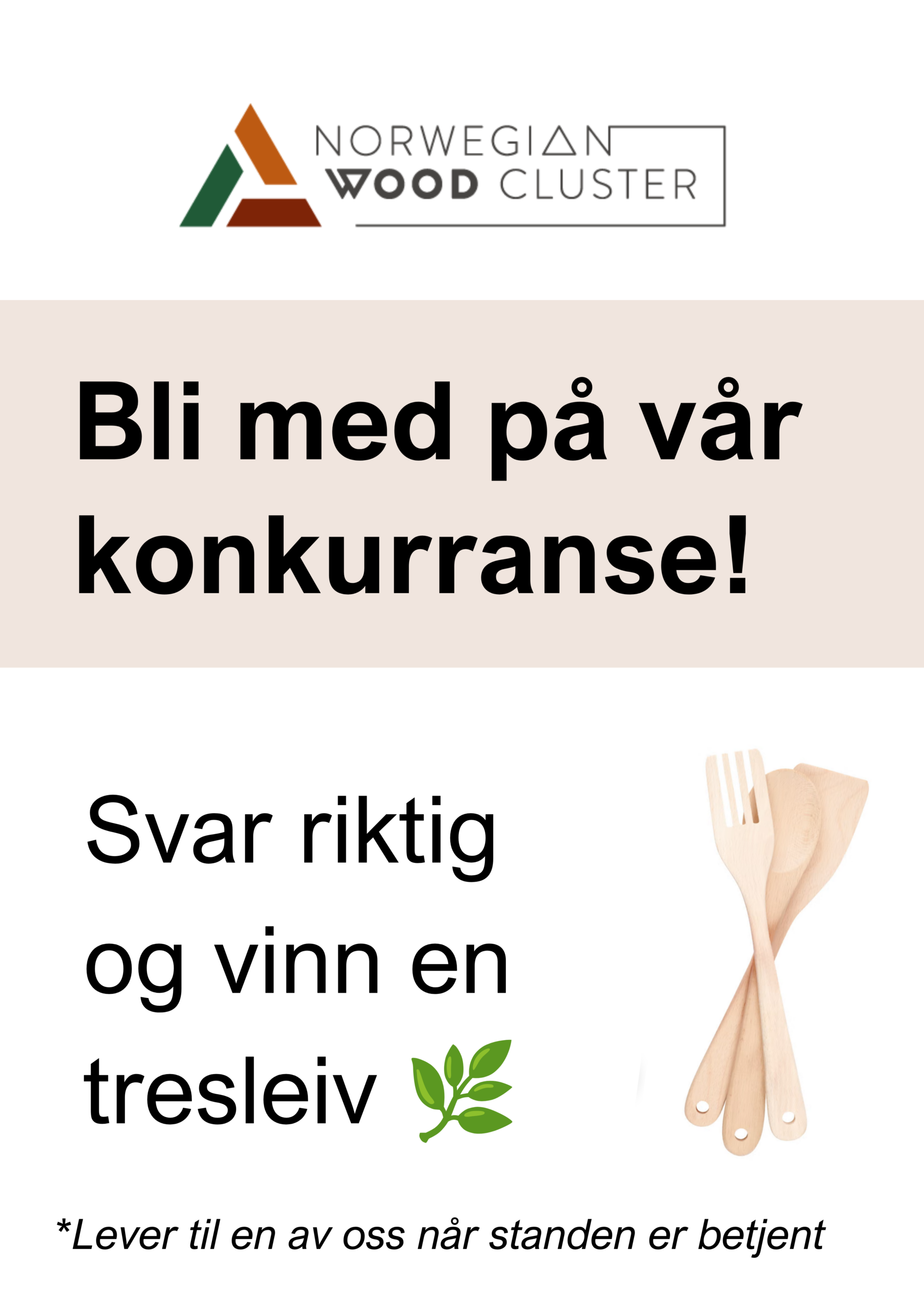
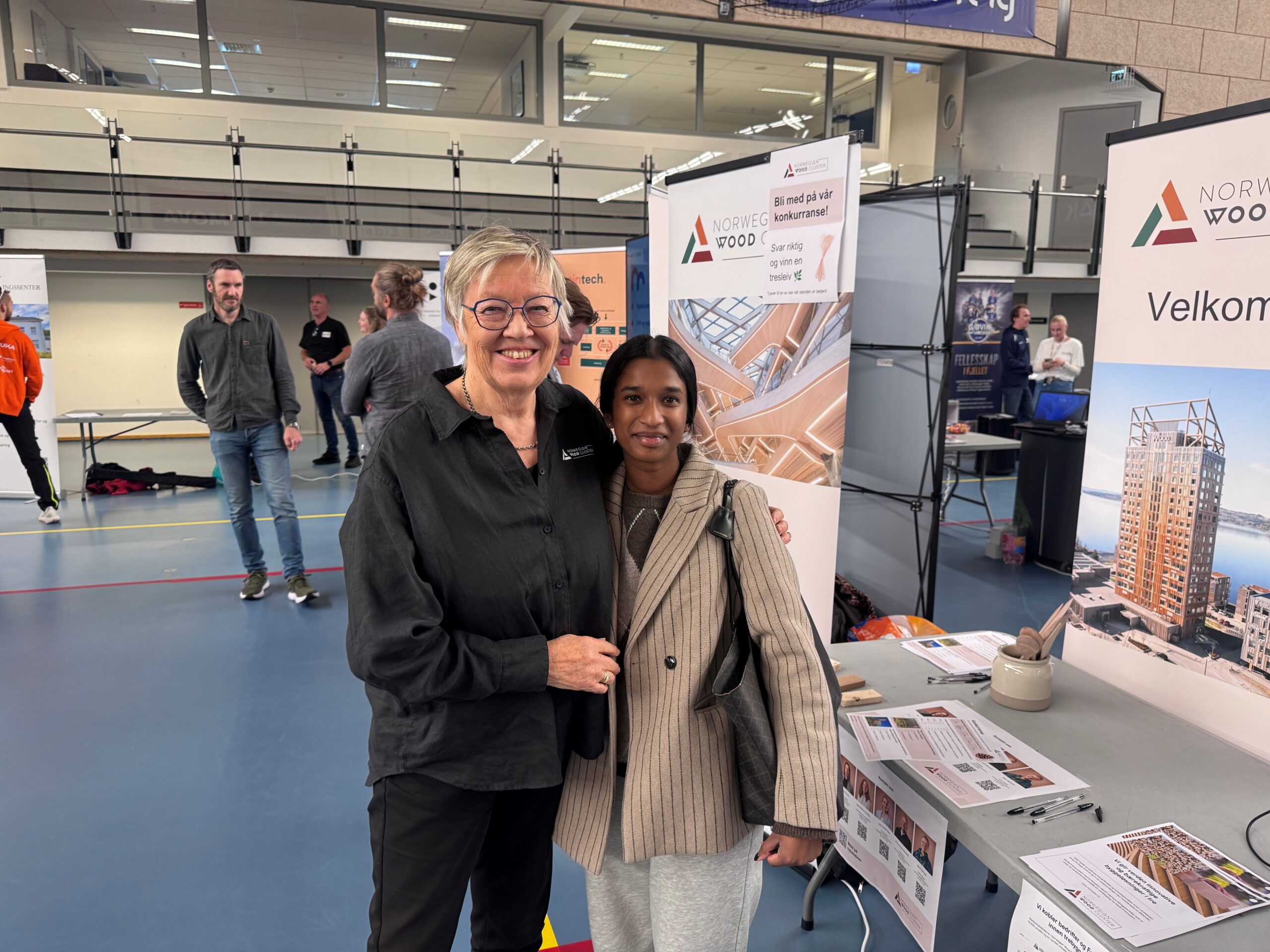
Through their participation in Gjøvik, NWC’s employees had many productive conversations with students who wanted to learn more about both job opportunities and collaboration related to thesis projects and internships. Several of our member companies had prepared short digital presentations that gave students insight into their businesses and the opportunities available in the industry. The students also had the chance to test their knowledge in a lighthearted quiz about wood and wood products. The prizes were, of course, made of wood and proved to be very popular.
An Important Meeting Place
Business Day is a valuable platform for our cluster companies, both to raise their profile as future employers and to showcase the expertise and opportunities available in the forest and wood-based value chain. The experience from this year’s event was positive, and we hope even more member companies will want to participate when Business Day is held next year.
New Cluster Leader in Place
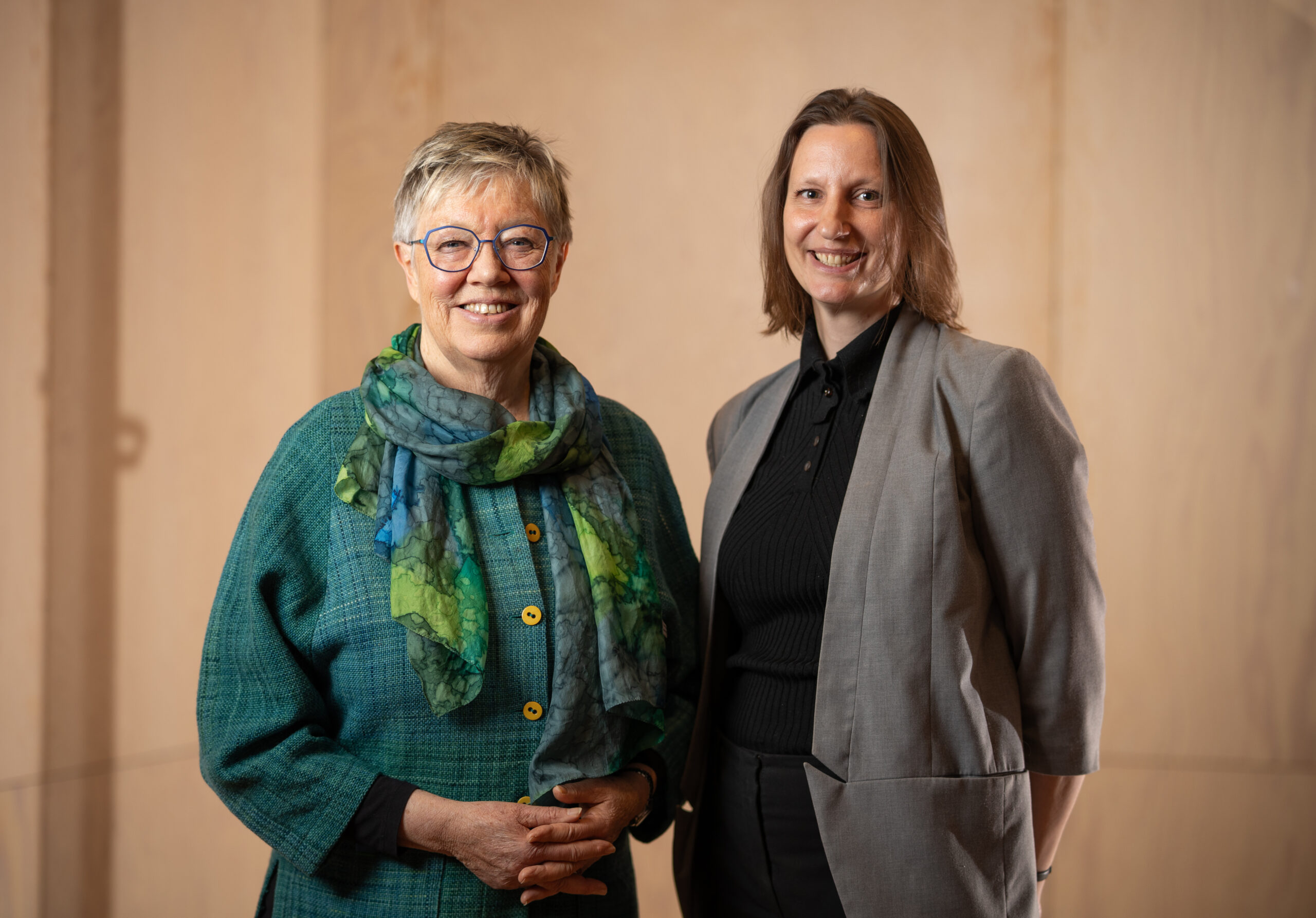
Flindall holds a degree in architecture from the Oslo School of Architecture and Design and has a background in the nonprofit sector in the United Kingdom. She previously served as CEO of Oslotre AS and most recently held the position of group leader for wood structures at Sweco Norway.
The new cluster leader has long been deeply committed to the development of the wood industry and views the cluster as an important platform for strengthening the companies’ competitiveness.
Ensures a smooth transition
Berit Sanness will turn 69 this fall and notified the board over a year ago that she wished to step down as cluster leader in August 2026. Sanness will take on a less demanding role as senior advisor for the next year.
– “I am very pleased to be able to hand over the role of cluster leader to Ona. She will be a tremendous asset to the Norwegian Wood Cluster,” says Sanness.
Sanness will remain on board to ensure a smooth transition within the organization.
– “I’ll be working full-time for the rest of the year to assist Ona and complete the projects I’m leading. After that, the plan is to continue in a part-time position to oversee the standardization project through the first half of 2027,” says Sanness.
RAM Architecture Joins the Norwegian Wood Cluster
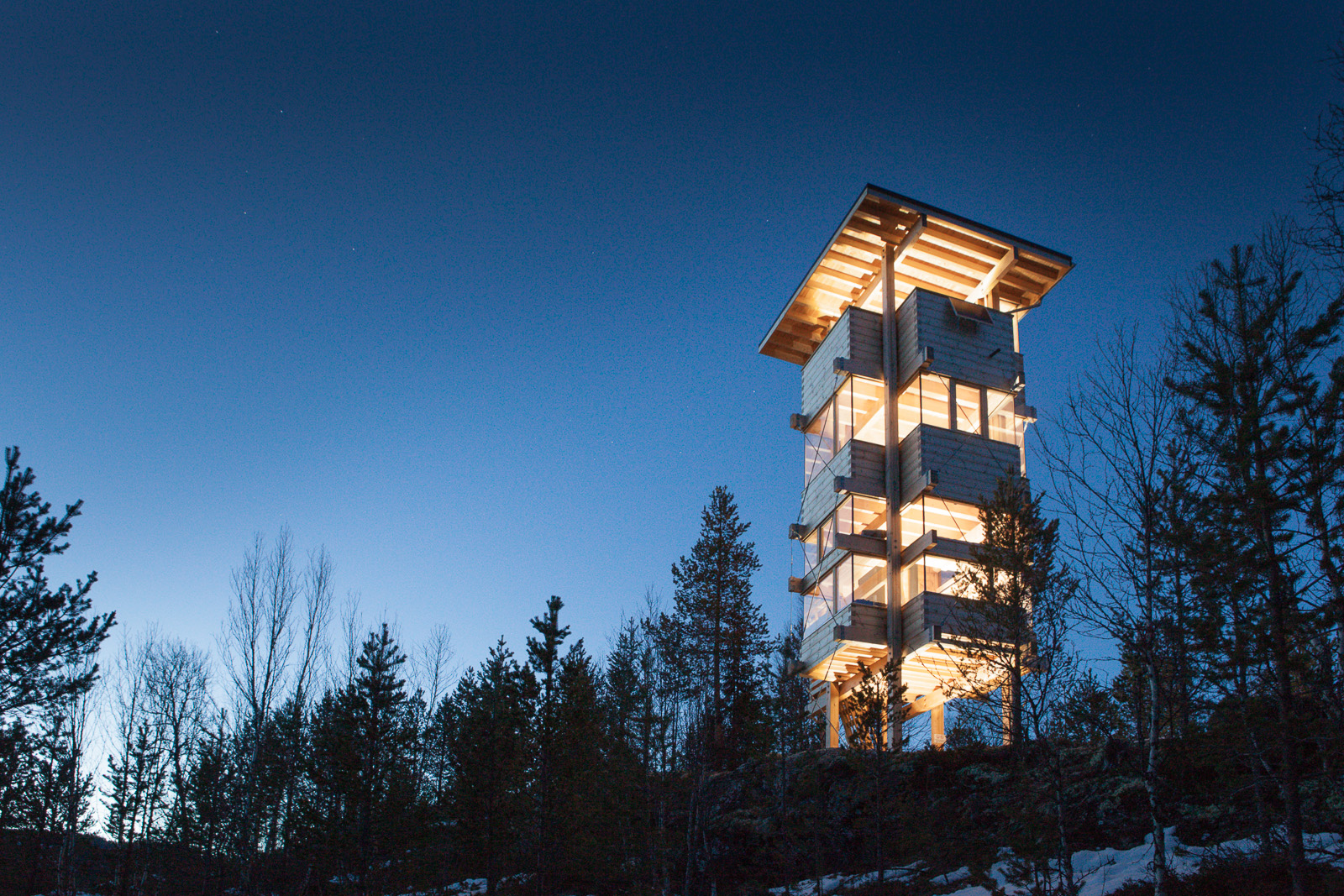
RAM Arkitektur AS was founded in Lillehammer in 2004 and has extensive experience with both public and private buildings. Its private projects have primarily involved commercial buildings, residential buildings, vacation homes, and tourism projects. In terms of public projects, RAM has designed kindergartens, schools, assisted living facilities, health centers, bus stations, and renovations of municipal and county administrative buildings.
Interdisciplinary and well-rounded expertise
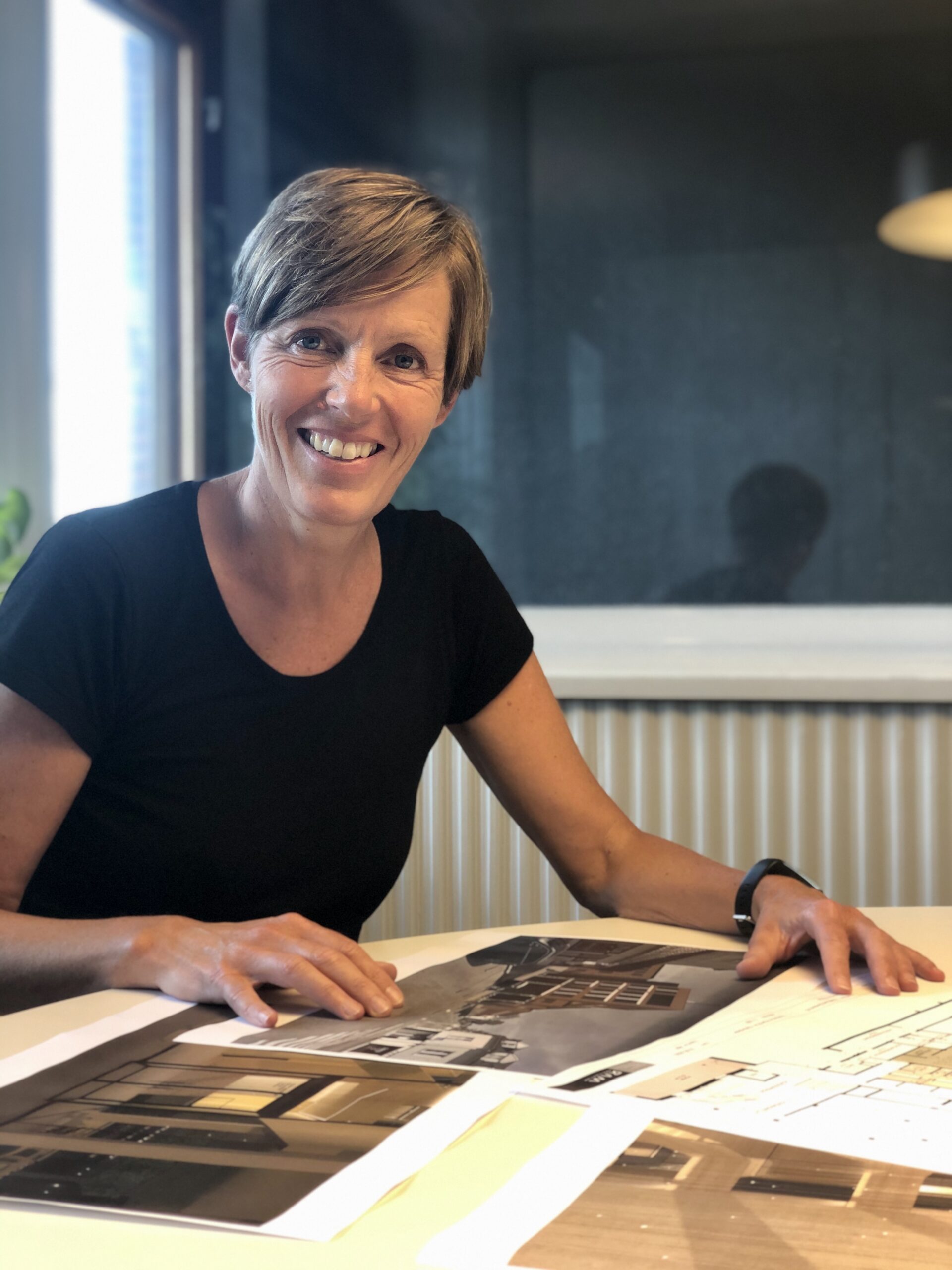
“We have wide-ranging experience. Our projects vary greatly in size, typology, and complexity in both the private and public sectors,” says Hilde Grøneng, partner and architect at RAM arkitektur.
She explains that the firm has multidisciplinary expertise in architectural design, interior design, landscape architecture, and structural engineering.
– As part of the cluster, we can contribute both general professional expertise and specialized expertise. We have comprehensive expertise in wood architecture, and we have experience with reuse projects, transformation projects, and additions to existing residential projects. These are areas of growing importance, so we hope that our membership will help us further enhance our expertise, says Hilde Grøneng of RAM Architecture.
She is also looking forward to the networking opportunities that come with being part of the Norwegian Wood Cluster, which offers the chance to find partners for both innovation projects and construction projects.
Example of a transformation
At the professional conference organized by the Norwegian Wood Cluster for its expert groups “Future Building Solutions” and “Sustainability” at Mjøstårnet on August 27, Hilde Grøneng will present a proposal for a transformation that RAM Arkitektur has developed for Huntonhallen.
– The municipality of Gjøvik has decided to develop Gjøvikstranda into a park and recreational area. A major challenge is what to do with the industrial buildings on the site. We won this exciting commission from Gjøvik Municipality and have developed a proposal for how, instead of demolishing it, the old factory building can be transformed into a cultural venue. “I look forward to presenting the proposal at the cluster’s professional conference on August 27,” says Grøneng.
Valuable experience
Cluster Leader Berit Sanness welcomes RAM Arkitektur AS as a new member of the Norwegian Wood Cluster. She says it’s great to have another architecture firm join the cluster.
– “It’s very interesting that RAM Arkitektur has practical experience with, among other things, repurposing projects, transformation projects, and additions to existing residential projects. We know that this will become increasingly important in the future and that many of our members are interested in this,” says Sanness.
Formally, it is the board of Norwegian Wood Cluster SA that reviews applications for membership in the cluster. RAM Arkitektur AS was admitted as a member on June 23, 2026.
BYGGMA Becomes a Member of NWC
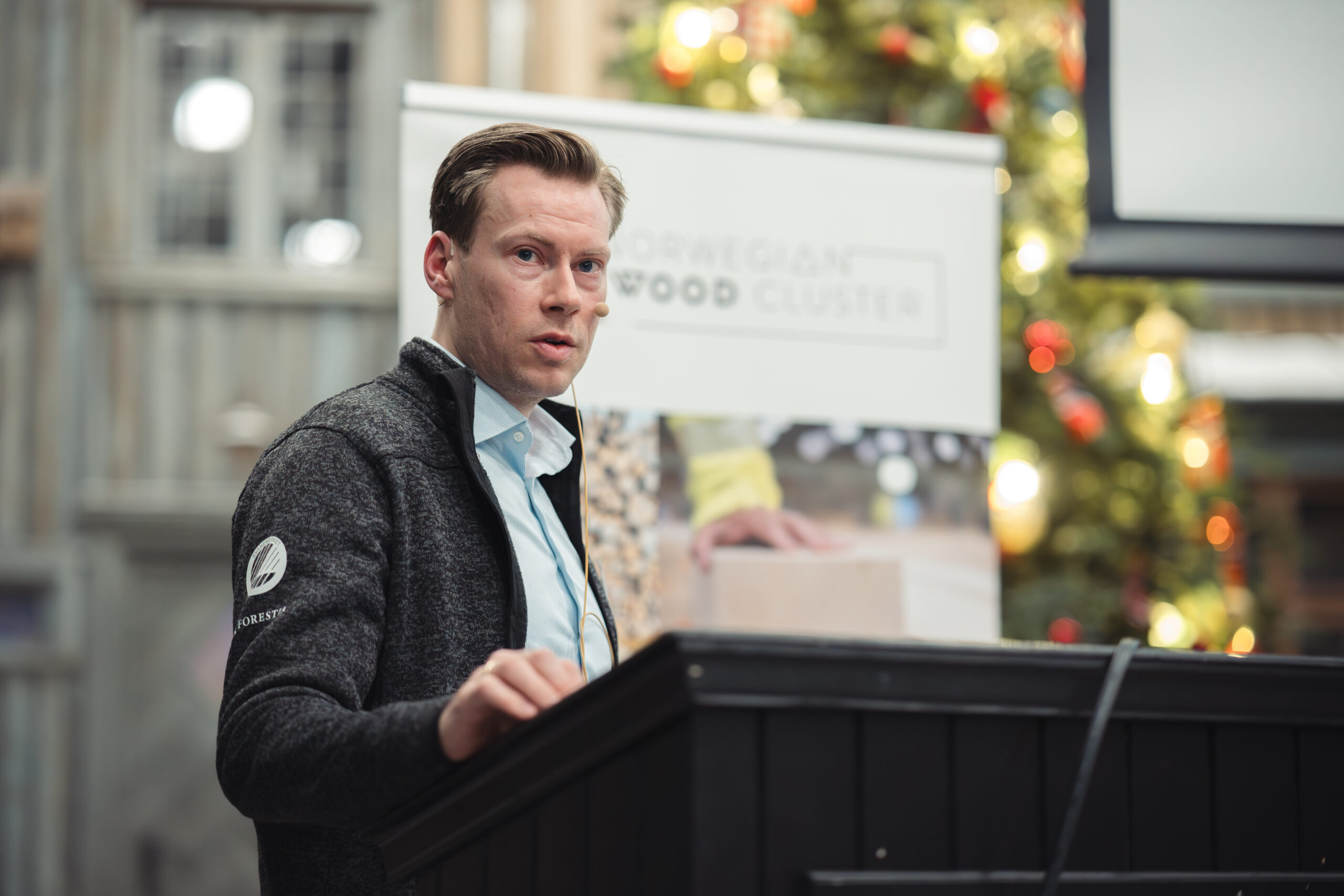
The Byggma Group has been indirectly involved in the Norwegian Wood Cluster through its largest subsidiary, Forestia AS, since its inception.
Byggma ASA has four factories, two pre-cut centers, and a lighting wholesaler in Norway; one factory and a lighting wholesaler in Sweden; and sales companies in Finland and the United Kingdom, which primarily manufacture wood-based products for the Nordic and European markets.

– By having the Byggma Group take over the membership, we are paving the way to participate even more actively in the cluster, particularly through collaboration on joint projects across the industry. This applies especially to key development areas such as standardization and sustainability, as well as documentation and further development of solutions in the fields of fire safety and acoustics, says Conrad Lehne Drangsland, CEO of Byggma ASA.
A nice gesture of appreciation
– “Forestia has been an active member of the Norwegian Wood Cluster ever since its founding in 2017. The fact that the entire Byggma Group is now taking over the membership is a nice recognition of the cluster’s work,” says cluster leader Berit Sanness.
The board of the Norwegian Wood Cluster approved the change in membership at its meeting on June 16. 2026.
Cross-Border Finance
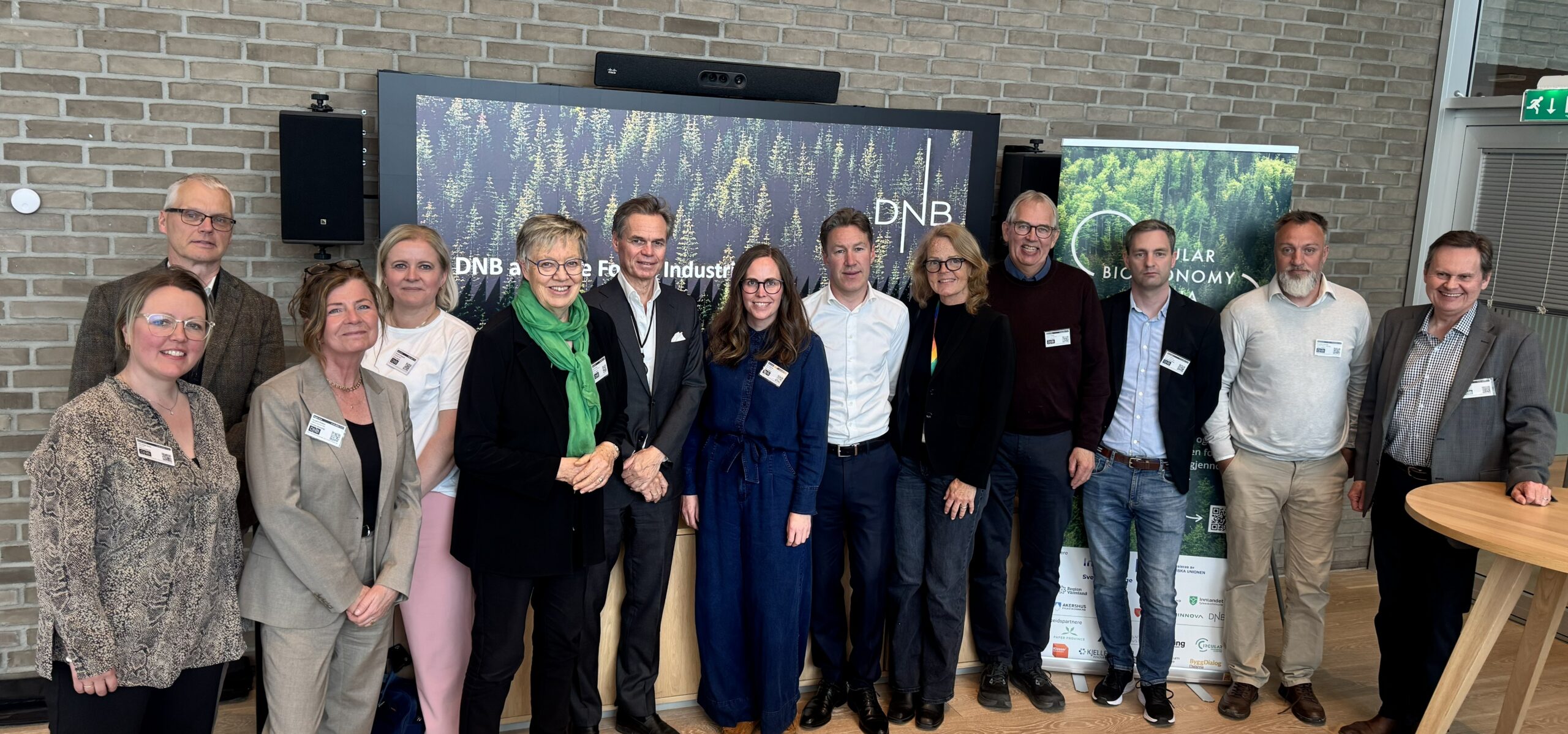
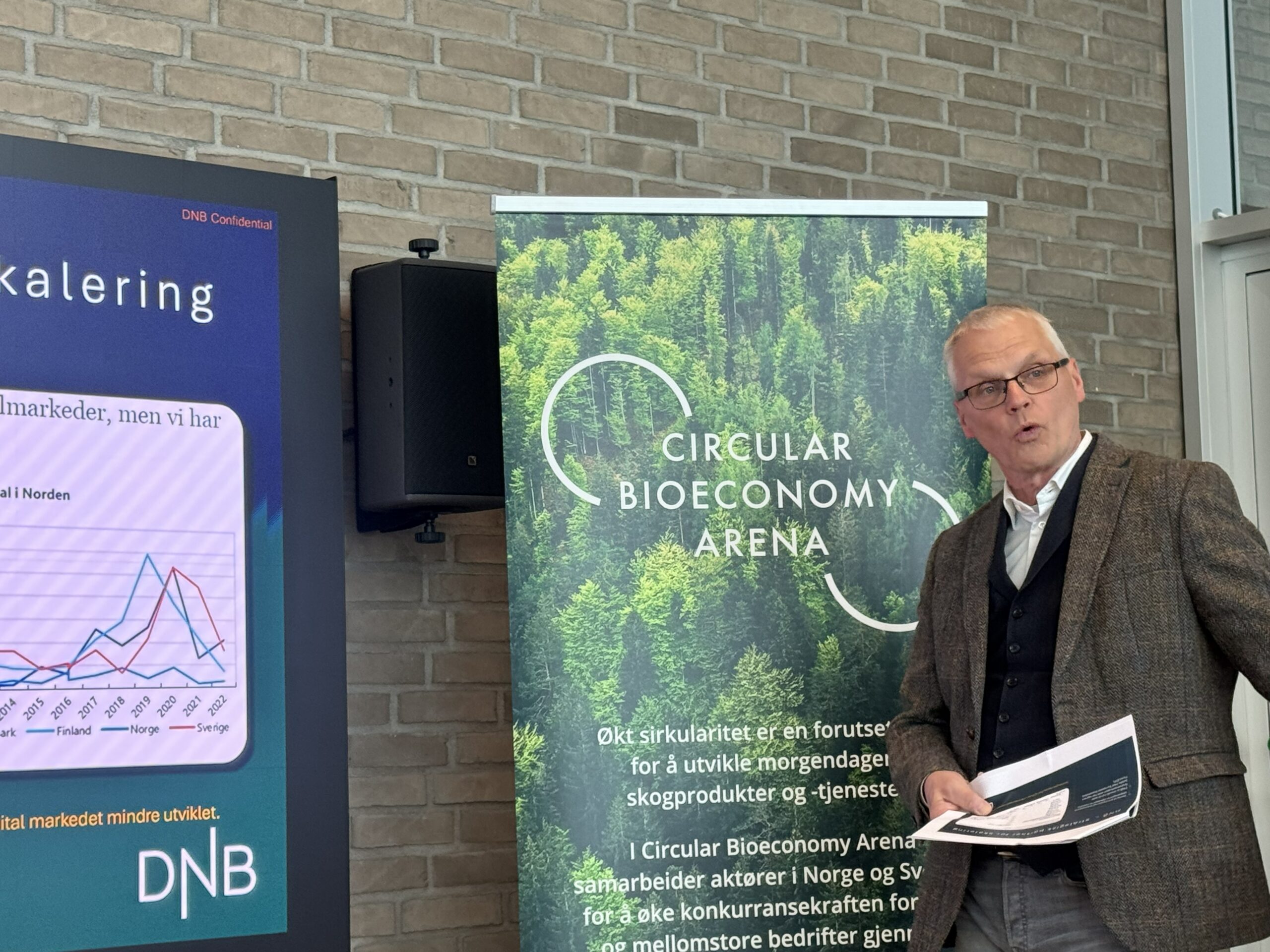
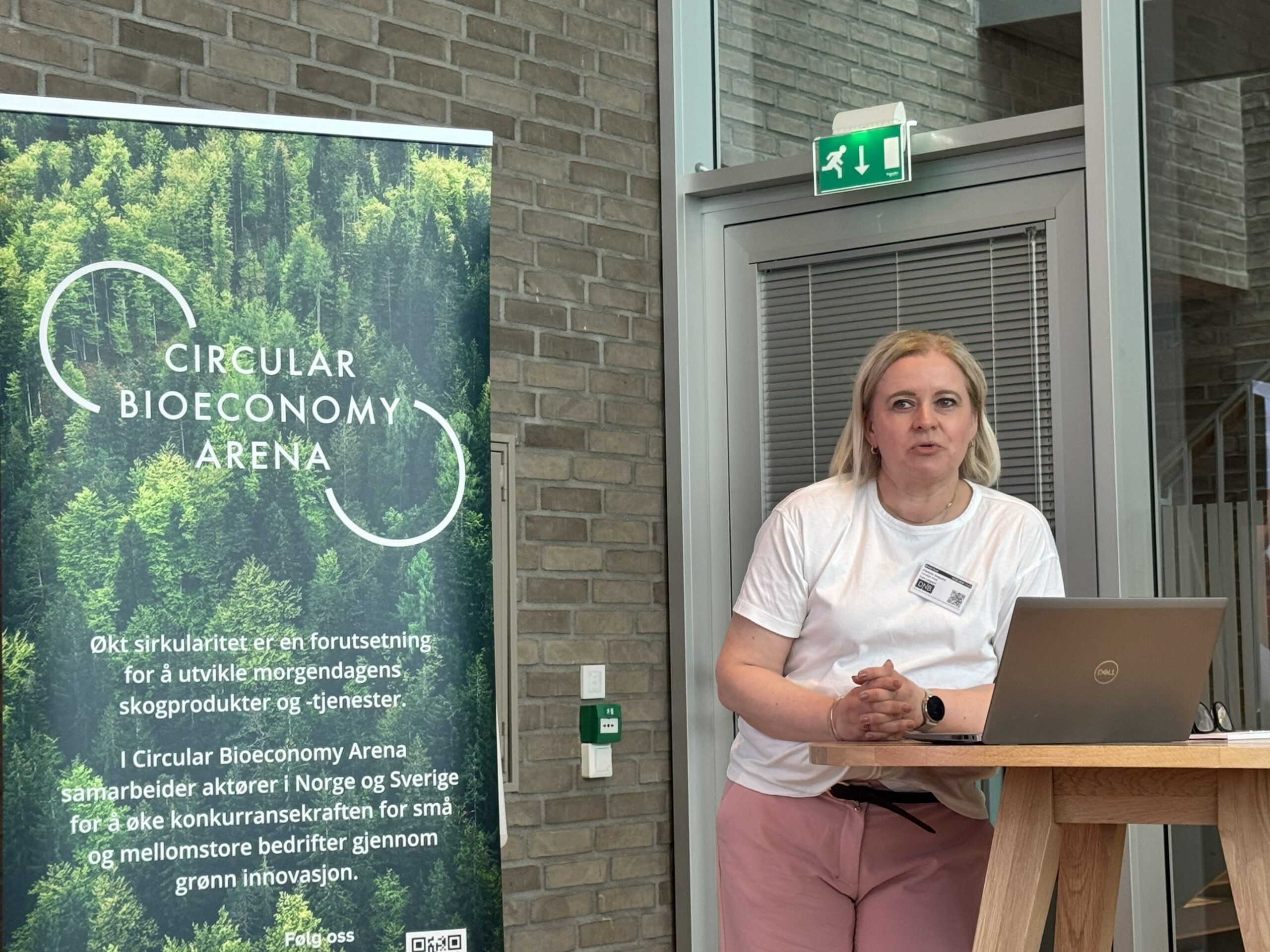
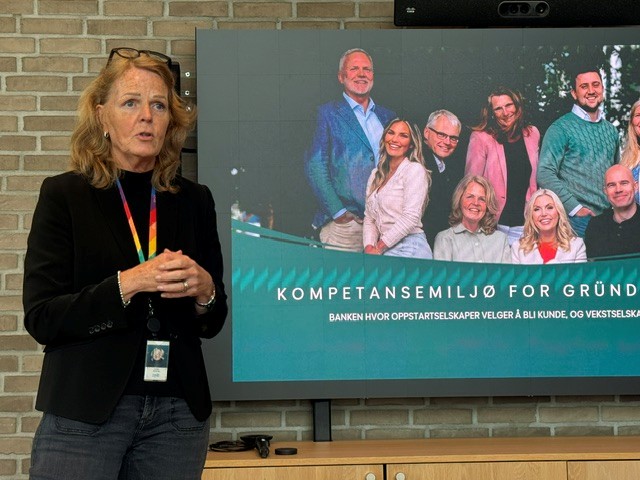
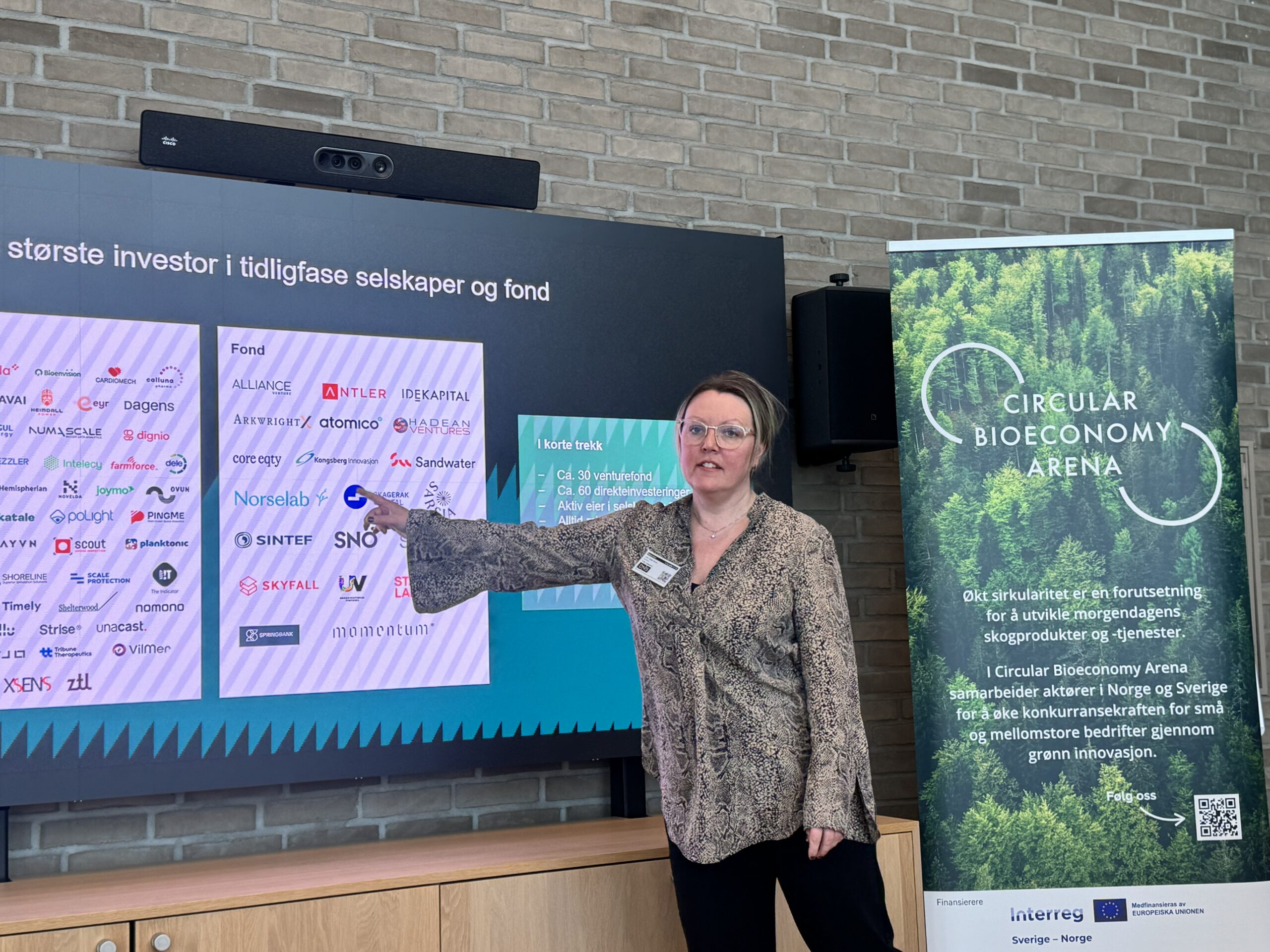
The workshop was organized by DNB and the Norwegian Wood Cluster as part of the Interreg project Circular Bioeconomy Arena. In addition to DNB and the Norwegian Wood Cluster, representatives from Investinor, Innovation Norway, Dalerna Science Park, Sting Bioeconomy, Paper Province, and Klosser Innovation participated in the workshop.
Setting up a new fund?
The capital gap in the transition from the early stages to scaling up and internationalization is a challenge, and Norway appears to be weaker than Sweden in this regard.
The workshop highlighted the need to establish a new fund that can operate across the Norwegian-Swedish border. It emerged that DNB could play a role in establishing such a fund and raising capital for it, and that family-owned companies could be potential sources of capital.
The structure of a potential fund must be evaluated in greater detail. Among other things, it is necessary to clarify the fund’s mandate, the phases it will cover, and the investment criteria that will apply. Consideration should also be given to how a new fund can leverage the due diligence work conducted by innovation companies. Furthermore, through increased collaboration, more networking opportunities should be established to facilitate connections between companies and investors.
The dialogue continues
There was considerable interest in continuing the dialogue, and the Norwegian Wood Cluster undertook to facilitate this in close collaboration with DNB, which is an important member of the cluster.
Circular Bioeconomy Arena
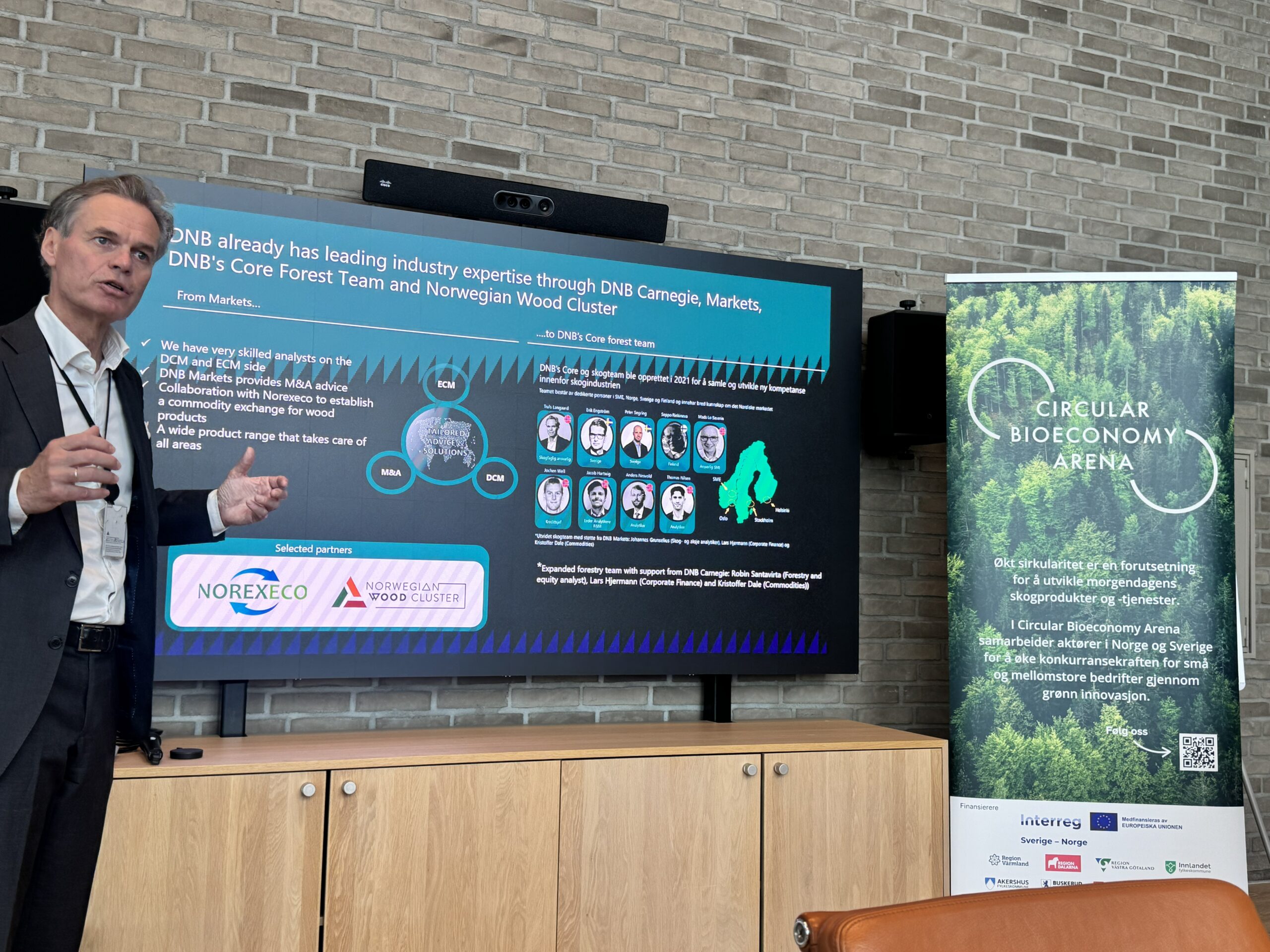
The Interreg project Circular Bioeconomy Arena is a Norwegian-Swedish Interreg project owned by Norwegian Wood Cluster and Paper Province. The project collaborates closely with several innovation stakeholders. Circular wood construction is a key focus of the project. It also works with startups on both the Norwegian and Swedish sides that are active in the forest-based bioeconomy. The project is funded by Interreg Sweden-Norway and EU funds, as well as with support from Innlandet County Council, Akershus, Buskerud, and Østfold County Councils, Region Värmland, Region Västra Götaland, Region Dalarna, Vinnova, and DNB.

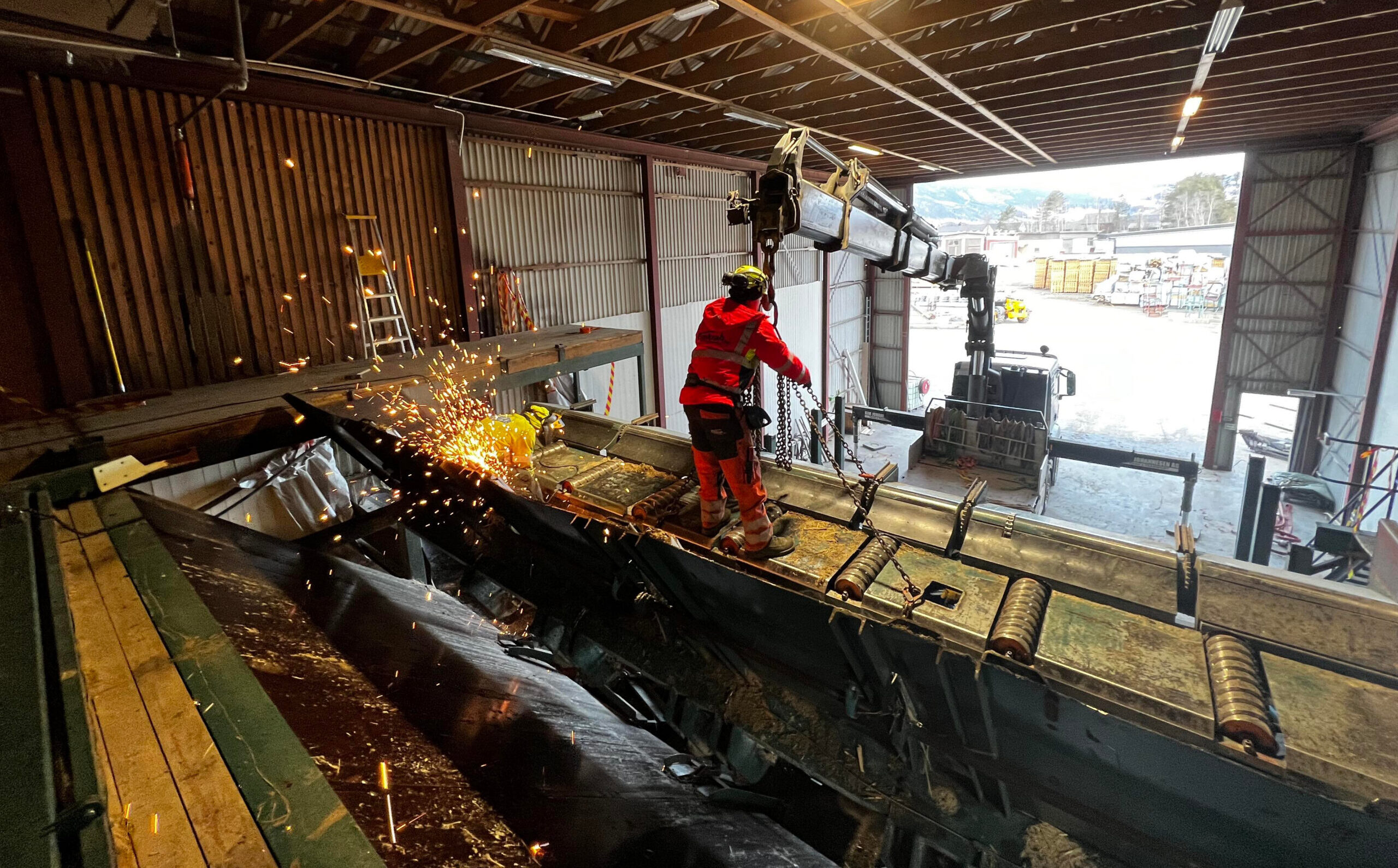
Vocational Certificates and Digital Courses for the Wood Industry
In collaboration with Karriere Innlandet and Treteknisk, the Norwegian Wood Cluster offers targeted training programs for both apprentices and work-study students:
Vocational Certificate in Production Engineering and Logistics
Modular vocational certificate in production technology (PRT3103) and logistics (LOG3103) for employees in the woodworking industry. Application deadline: August 31
- Hybrid instruction (online and in person in Gjøvik)
- 12 collections
- For apprentices and interns
- Kick-off (Gjøvik): October 15
- Exam: May 2027
- Responsible: Karriere Innlandet
- Information Letter 2026
- Guidelines for Applying for an Assessment of Prior Learning
Digital Training in the Field of Lumber and Glulam Production
- Online course, 14 modules
- Monthly Sessions and Assignments
- Start Date: September 3 (Teams)
- Responsible: Treteknisk
Microlearning in the Workplace
- Short courses lasting 20–50 minutes
- Fields of study: logistics, production engineering, wood technology, etc.
- Responsible: Treteknisk
Contact person at NWC: Knut Amund Skatvedt
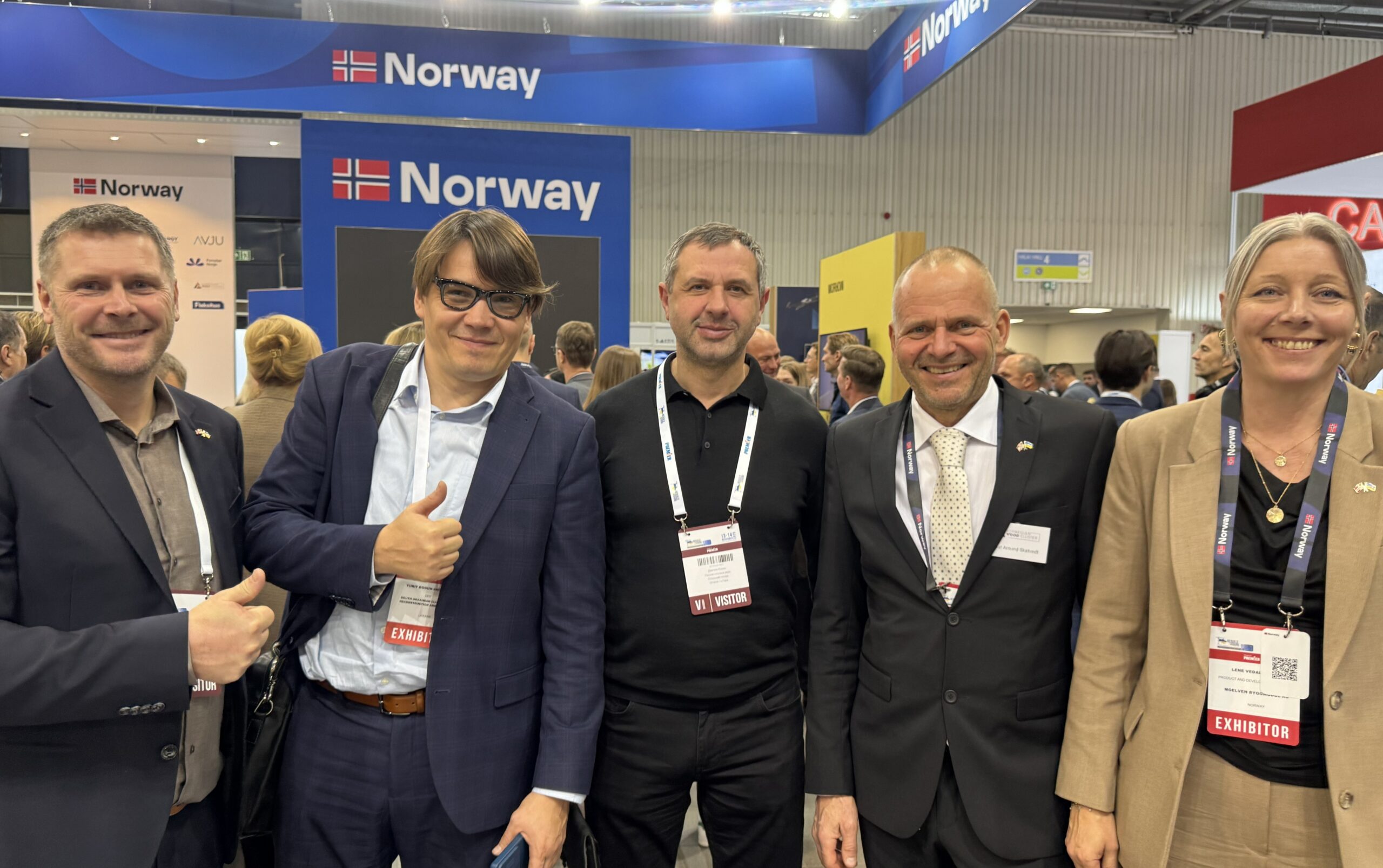
NWC Launches New Working Group on Internationalization
One of the Norwegian Wood Cluster’s goals is to help increase companies’ export value by 40 percent by 2035, compared to 2024 levels. As expected, the results of this spring’s member survey show significant variation in companies’ interests and needs regarding internationalization.
Several of the cluster’s member companies already have significant export operations and their own sales teams, while others have no plans to export. However, there are several companies that have clear ambitions and are seeking concrete, practical assistance. The cluster will now make an offer to these companies.
Contribute to international growth
Interested member companies are now invited to express their interest in joining the cluster’s new Internationalization Working Group.
The plan is for Norwegian Wood Cluster will develop and offer its own an internationalization program for interested companies in the professional group. The draft program will be based, among other things, on the responses to the member survey and will be presented at the professional group’s kickoff meeting in August. Innovation Norway provides SME support for such an internationalization program.
Practical and results-oriented
Project Manager Knut Amund Skatvedt says the program is designed to be practical and results-oriented
“The goal is to drive real progress and set companies up for success, not just to increase awareness,” says Skatvedt.
The preliminary plans are that thethe work will focus on:
- Export Strategy and Strategic Market Selection
- Specific entry strategies for new markets
- Building Networks and Partnerships
- Experience-based learning and knowledge sharing
To achieve this, experienced member companies that have already achieved international success will be invited to share their practical advice and case studies with companies in the start-up phase.
Close ties to leading academic communities
In addition to sharing experiences within the cluster, NWC will actively engage its strategic partners. This will make it easier for companies to access relevant support measures:
- Innovation Norway: Provides market insights, consulting services, and access to international networks.
- Eksfin: Provides financing solutions and risk-mitigation measures.
- Treteknisk: Brings solid industry expertise and professional expertise to the table.
- Kristiania University College: Provides cutting-edge expertise in strategy, marketing, and business development.
Kickoff on August 26
There are plans to bring together the participating companies for a kickoff meeting on August 26. The goal is to clarify shared ambitions and needs, identify specific market opportunities, and determine which initiatives should be prioritized in the internationalization program.
At the kick-off event, we will also receive information about Innovation Norway’s services.
– The event has a clear focus on sharing experiences, addressing specific challenges, and identifying the next steps in each company’s internationalization process. “The goal is for the kick-off to provide a solid foundation for the work ahead—and to help ensure rapid progress,” says project manager Knut Amund Skatvedt.
The kick-off event marks not only the launch of the expert group, but also an important step in NWC’s efforts to strengthen the cluster’s international competitiveness. The experience gained here will ultimately benefit more member companies.
Would you like to join us?
The task force will consist of a small group of member companies with specific goals. The insights gained here will be shared over time, so that the entire cluster can benefit from them. Project Manager Knut Amund Skatvedt will assist in developing and implementing the internationalization program, while Cluster Manager Berit Sanness will manage the expert group for the time being.
If you missed the member survey and would like information about internationalization, please contact:
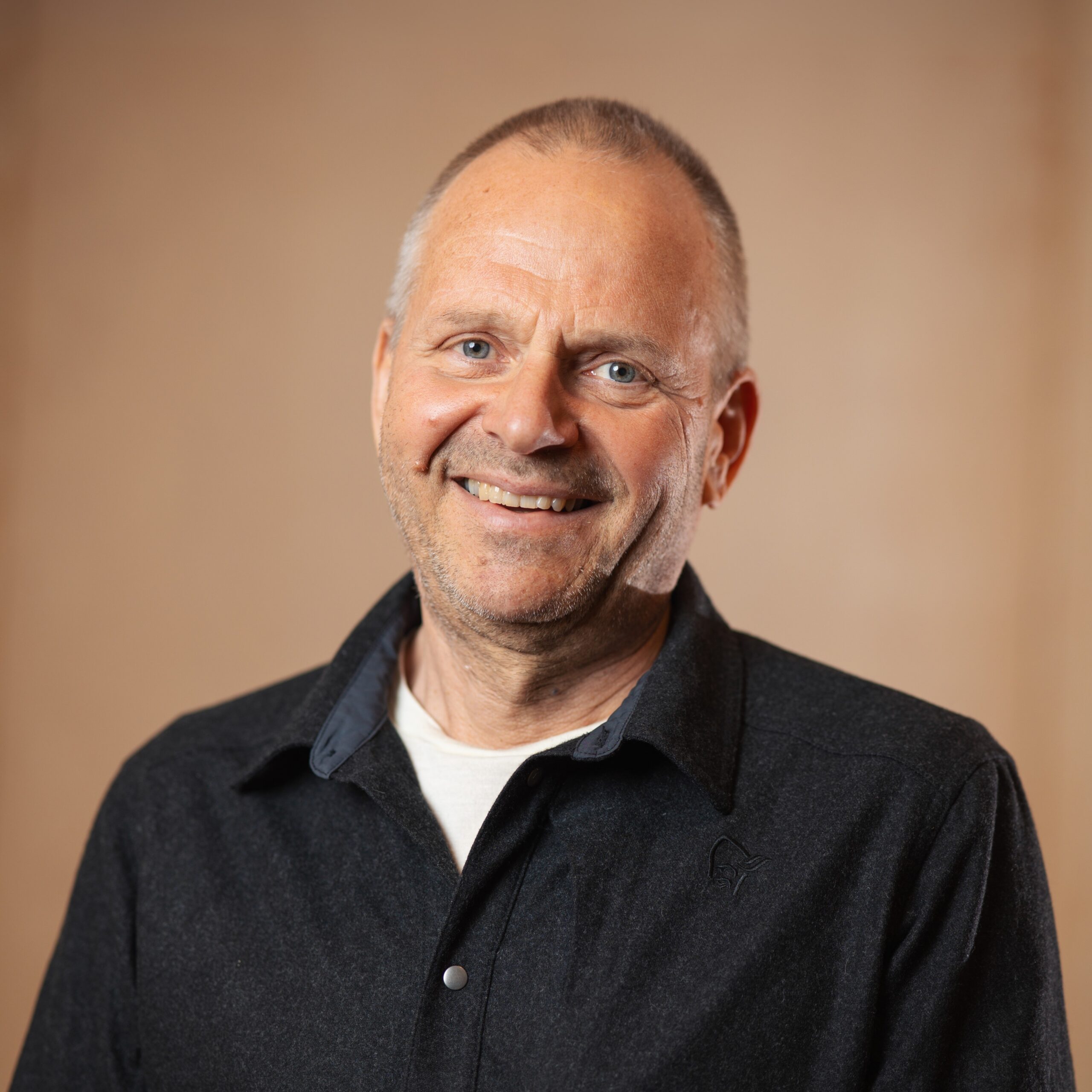
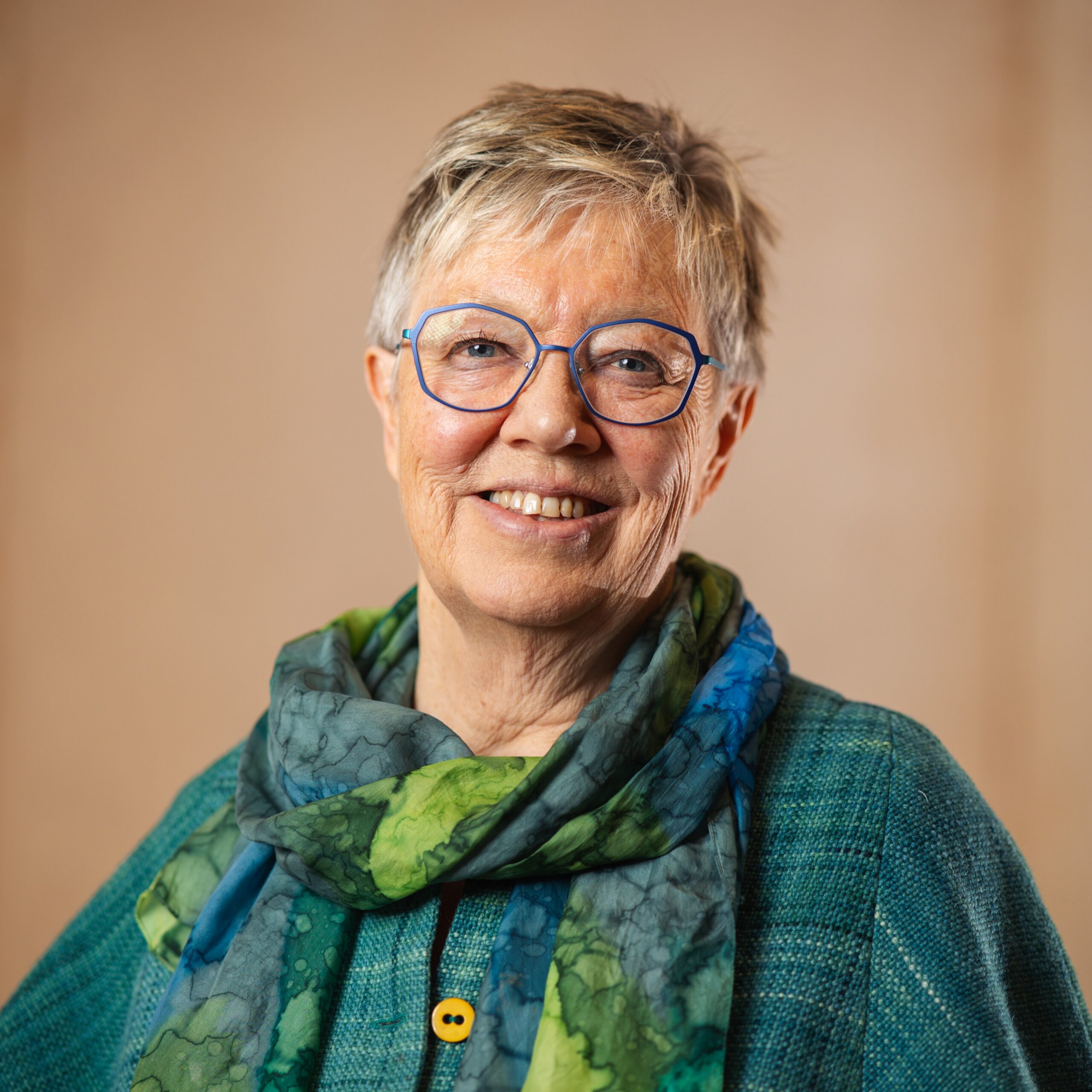
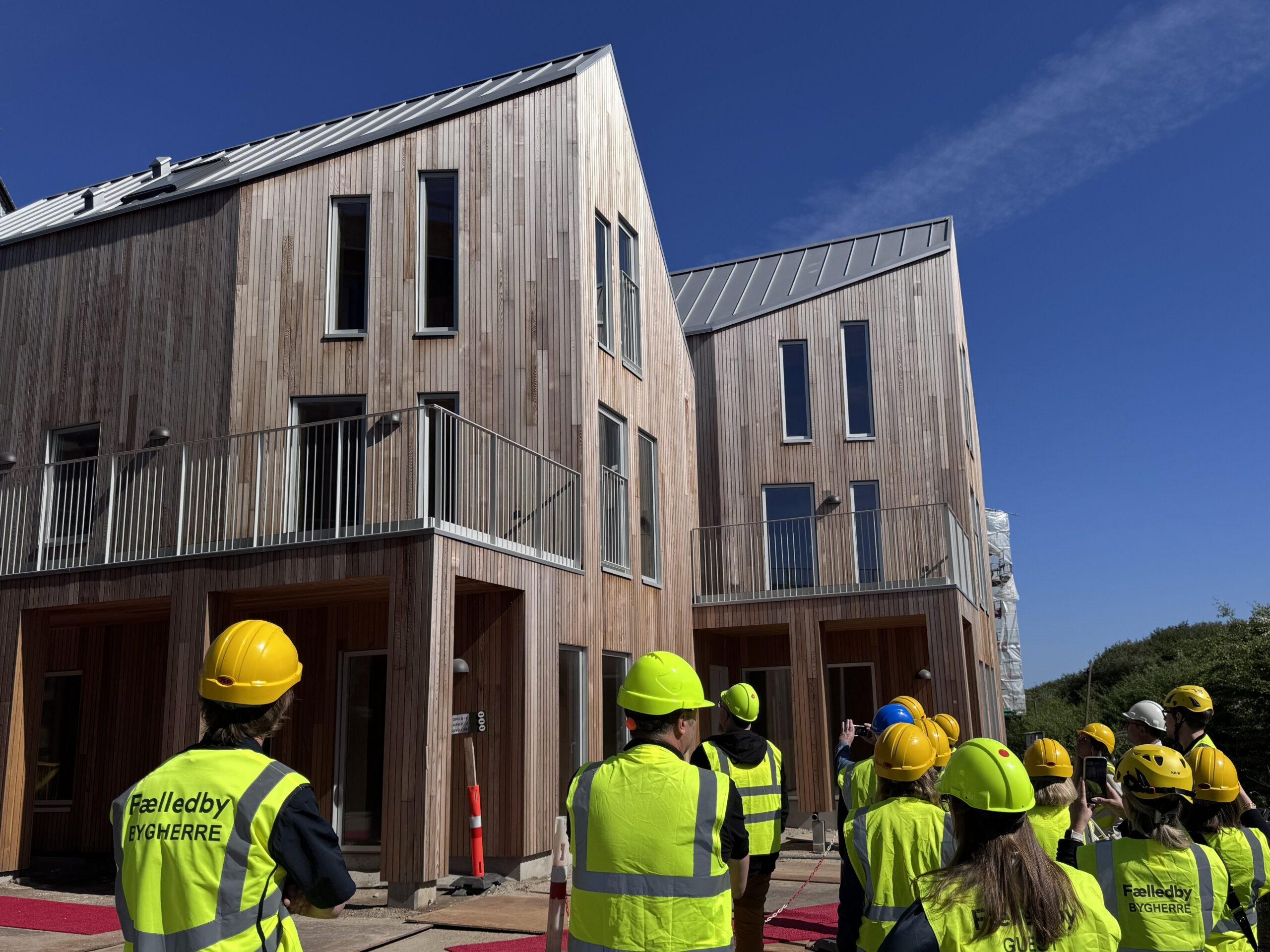
Fælledby - Copenhagen's new district in three
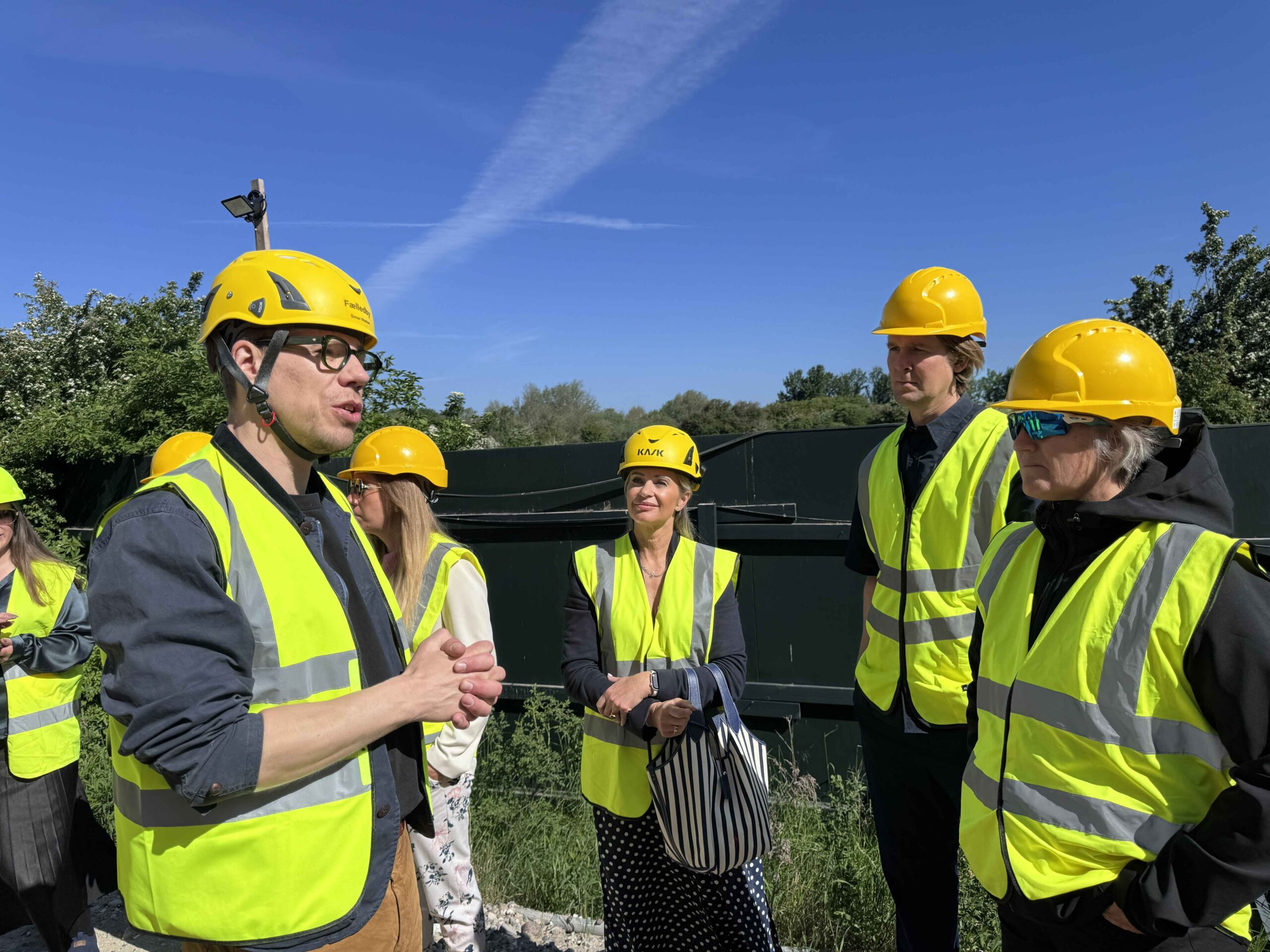
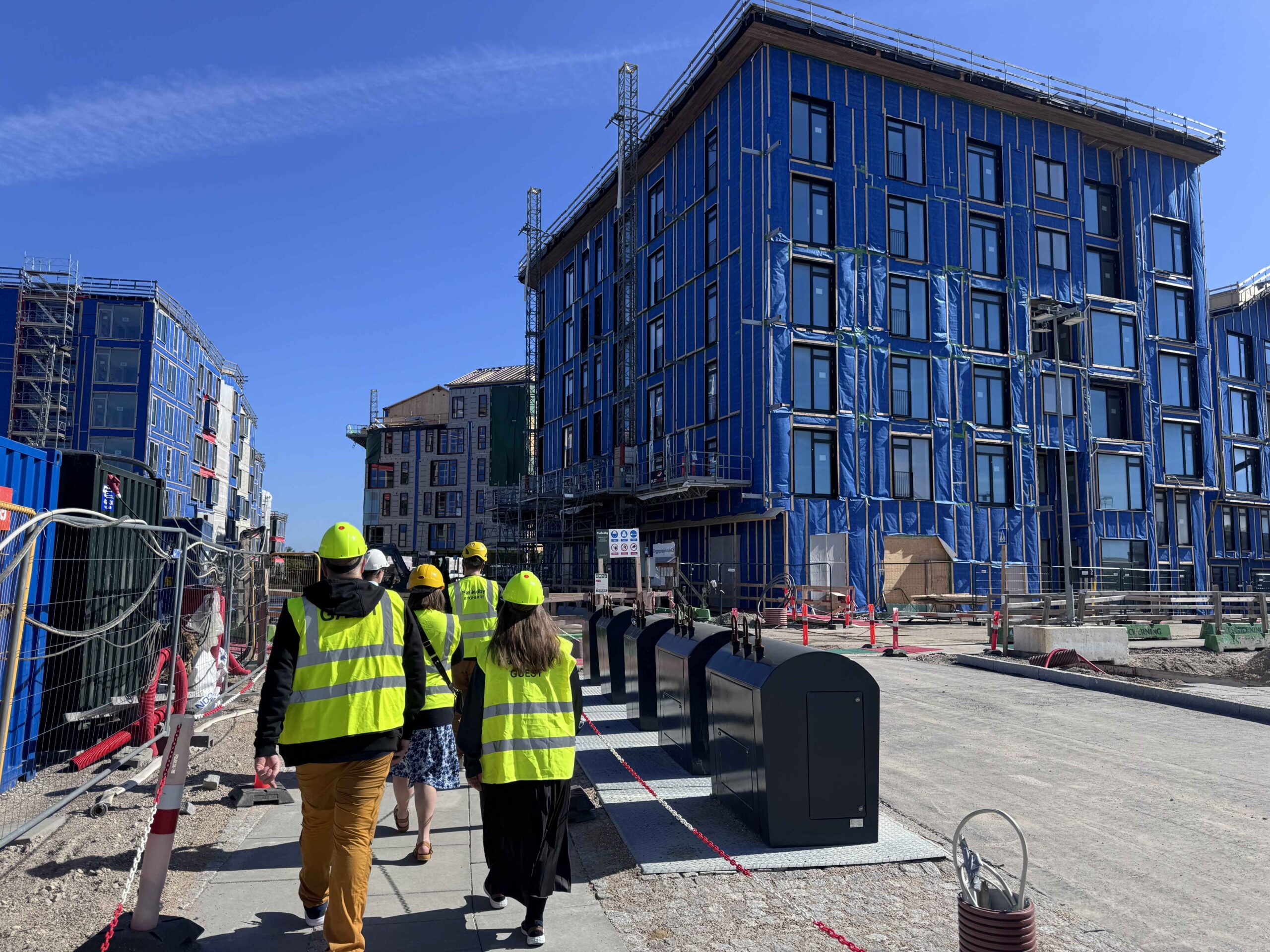
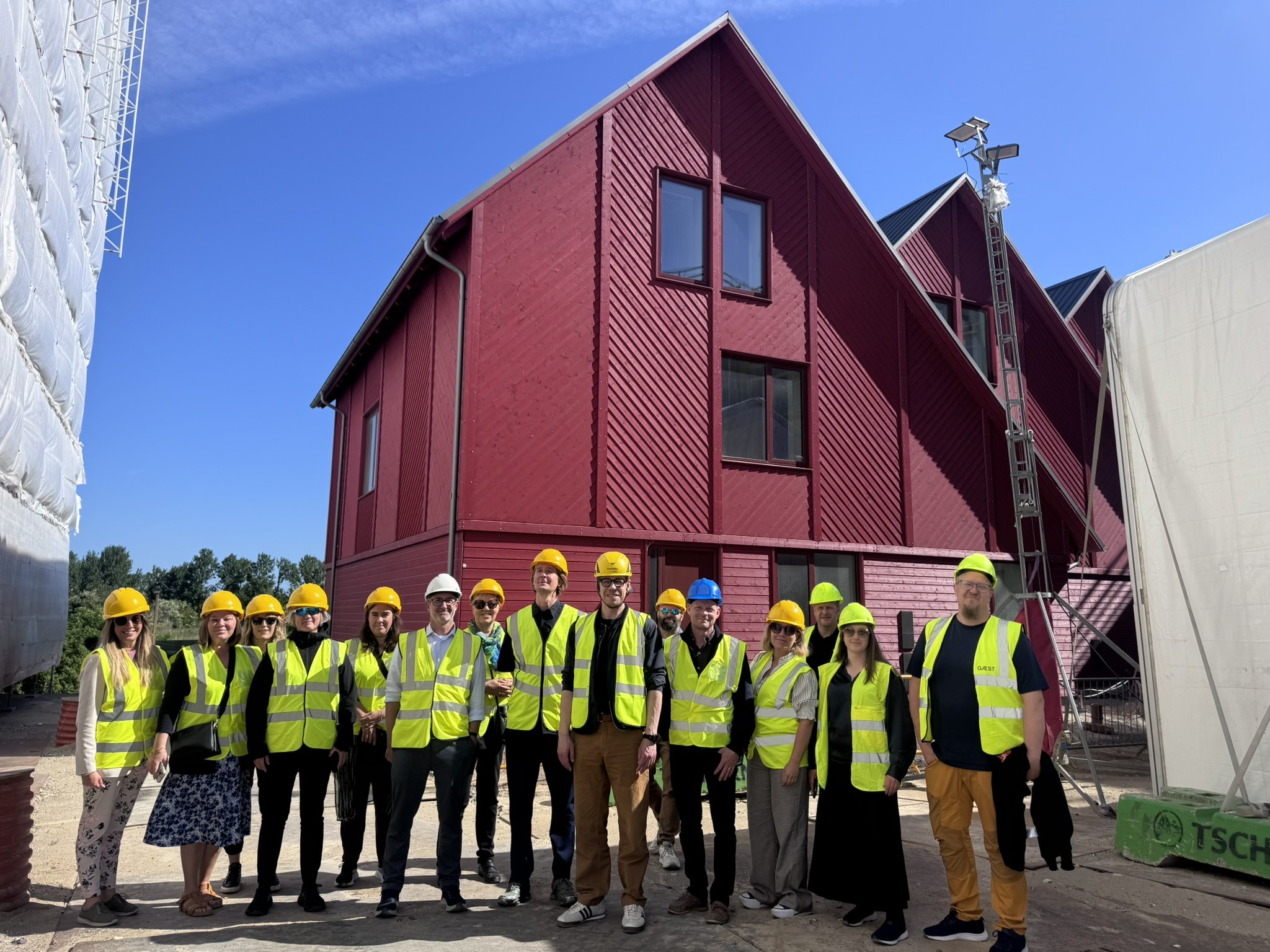
Interregprosjektet Circular Bioeconomy Arena arrangerte nylig en studietur til København. Under turen møtte de svenske og norske deltakerne interessante eksempler på hvordan danskene leverer på reduserte klimafotavtrykk gjennom moderne trebyggeri og sirkulære løsninger. Ett av besøkene som gjorde sterkt inntrykk var den nye bydelen Fælledby som er under utvikling.
Fælledby – målrettet og visjonært
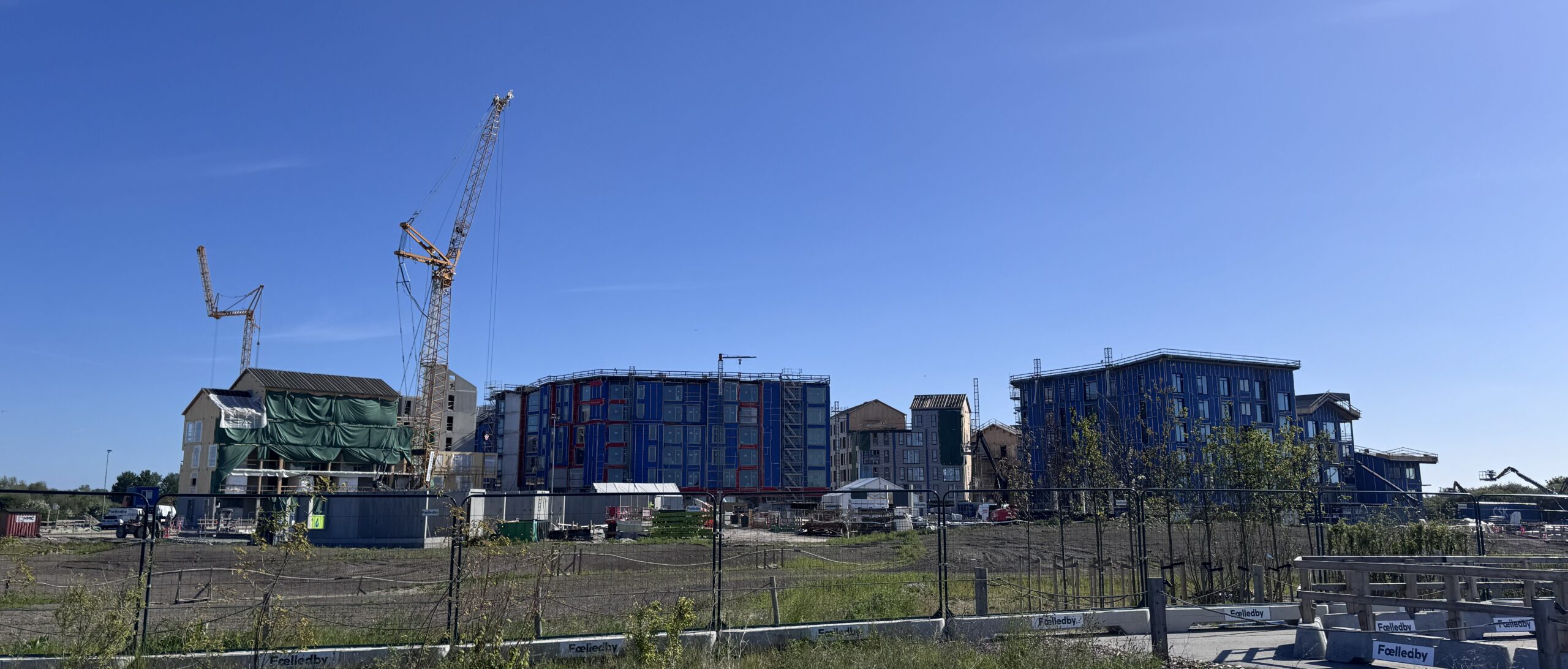
København kommune, via utviklingsselskapet By & Havn, og Pension Danmark eier Fælledby-prosjektet. Den tidligere søppelplassen til København utvikles nå til en ny bydel, og det vil bli en kombinasjon av salg og utleie av ca. 2000 boliger samt skole, barnehager, eldreboliger og næringsarealer. Ferdig utviklet vil Fælledby bestå av tre nabolag og dekke et 18 hektar stort område. Planleggingen startet opp i 2020 og skal fullføres innen 2032.
Henning Larsen Architects har utviklet masterplanen for området, som vil utvikles i tre etapper over en tiårsperiode. Utviklingen av Fælledby har lagt stor vekt på bærekraft og lavt karbonfotavtrykk.
– Visjonen for Fælledby er å skape tre nabolag som passer sammen, og der hver bolig har utsikt til natur. Fælledby er det eneste store grønne området igjen i København. I masterplanen har vi optimalisert plassering av boligene med tanke på vind, utsikt til natur og dagslystilgang, sier arkitekt Jakob Strømann-Andersen, Henning Larsen Architects.
Innenfor masterplanen er utviklingen av området fordelt på flere arkitektkontor, og Pension Danmark har krevd at de store arkitektkontorene må ha med et lite arkitektkontor som «lærling». Det har store og små arkitektkontor glede av.
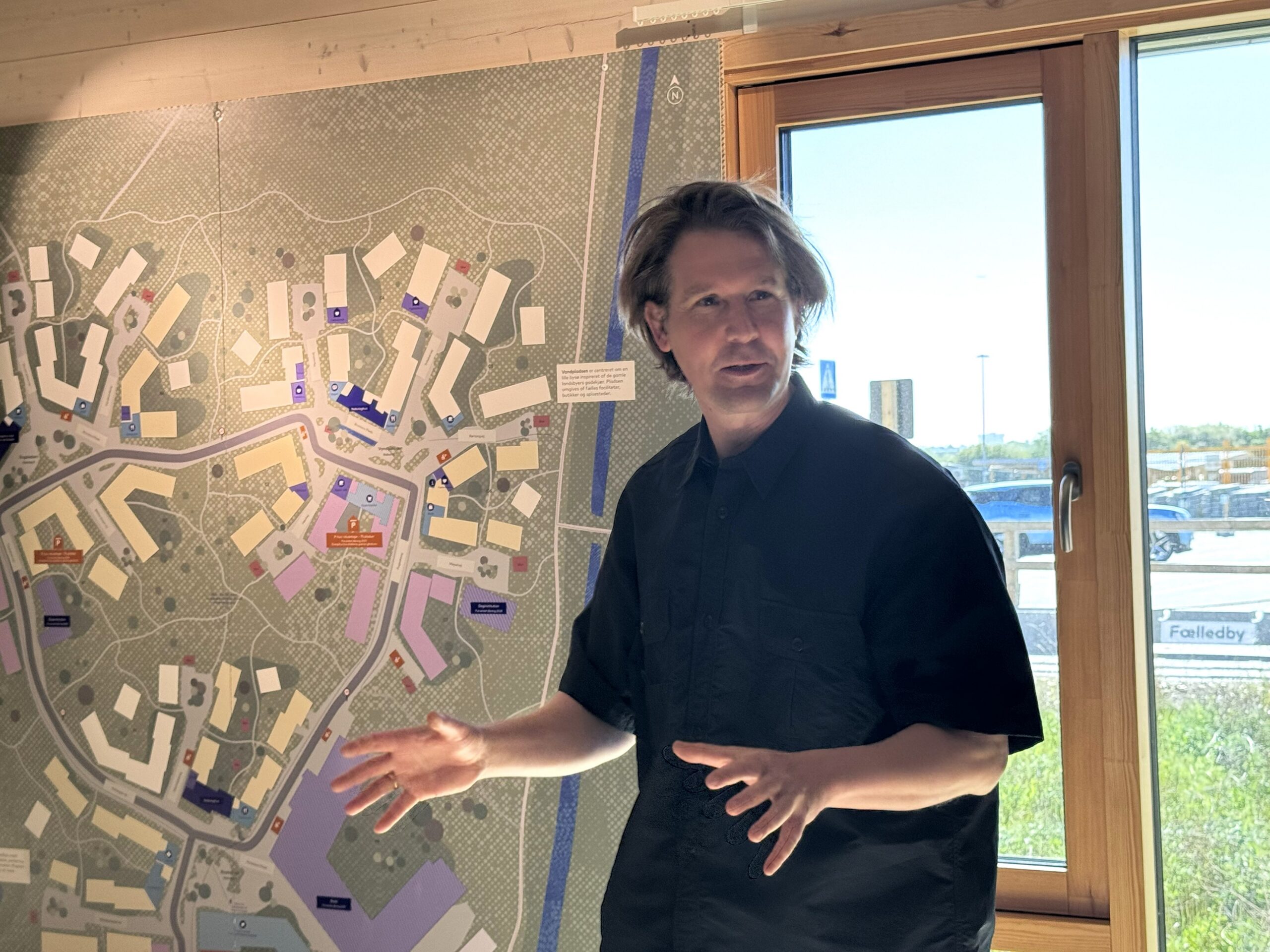
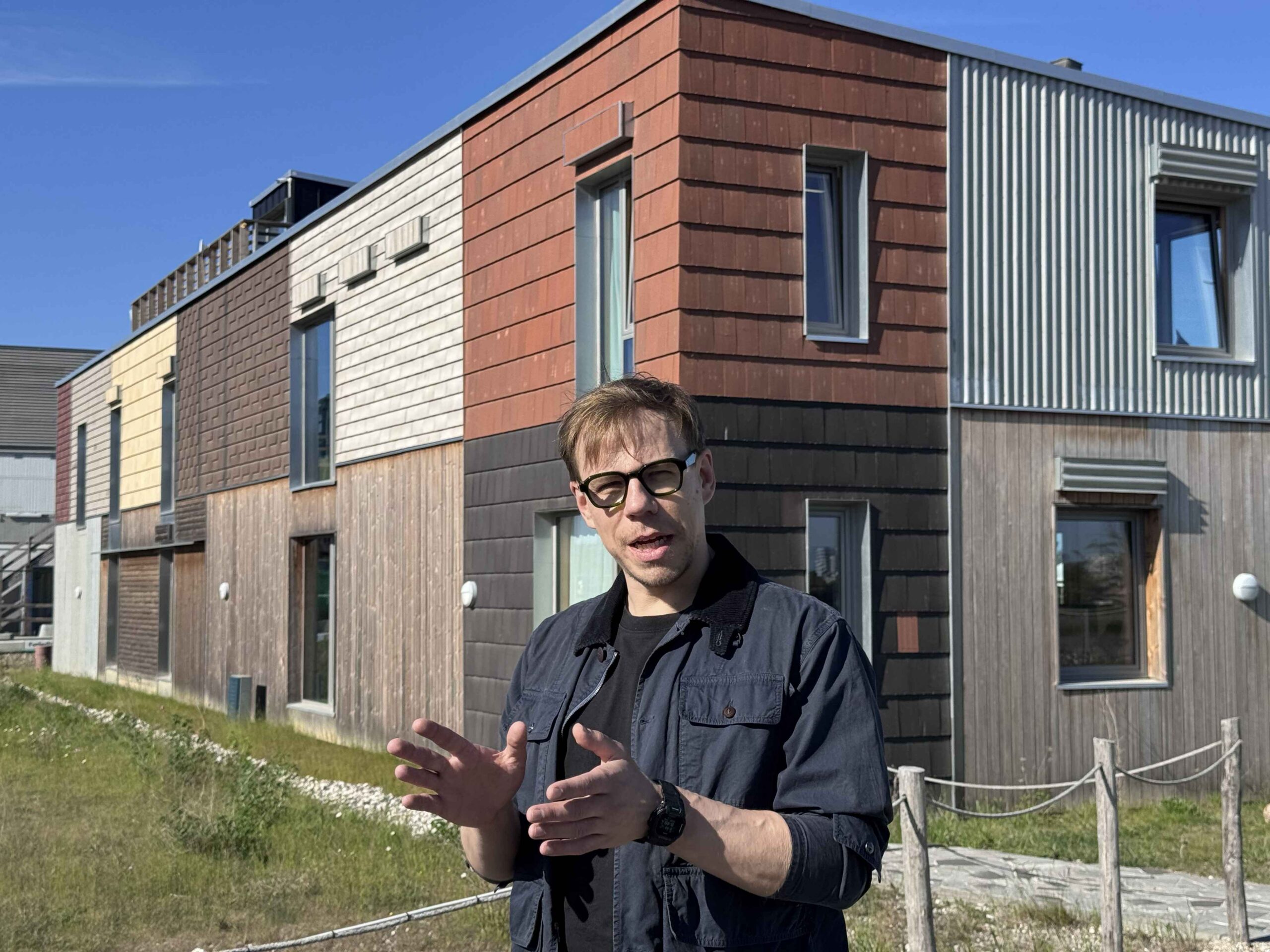
Tester løsningene
– Ansvarlig materialvalg, ressursbruk og energiløsninger, og utsikt til natur er vektlagt, sier Fælledbys kommunikasjonssjef Simon Madsen.
– Vi har bygd et midlertidig testbygg for å presentere de ulike løsningene som er utviklet for Fælledby. Disse må testes og godkjennes før de tas i bruk, samtidig som det midlertidige bygget brukes som byggekontor og informasjonslokale, sier Madsen.
Svarer på danske klimakrav
I 2023 ble det innført klimakrav i dansk bygningsreglement, med en skjerping av grenseverdiene hvert 2. år frem til 2030. Klimakravet fra 1. juli 2025 er på 7,5 kg CO2 pr m2 for etasjeboliger og næringsbygg.
– Selv om tre er valgt som hovedmateriale i Fælledby som følge av klimakravene, brukes det betong under bakken, og det forårsaker høye CO2-utslipp som følge av både utgravingen og materialbruken, men det kommer vi ikke utenom, sier arkitekt Jakob Strømann-Andersen, Henning Larsen Architects.
– I tillegg til at CO2-kravene gjør tre viktig, vil vi også gjerne ha synlig tre, og dette har vi lagt vekt på under utviklingen av Fælledby, sier Strømann-Andersen. Han forteller at under utviklingen av bydelen bygger man kontinuerlig på erfaringene som gjøres, for å forbedre løsningene og redusere klimafotavtrykket
– Vi startet med et utslipp på 8 kg CO2 pr m2. Nå er vi nede på 6,1 kg CO2 pr m2 i de seneste etasjeeiendommene, sier Strømann-Andersen.
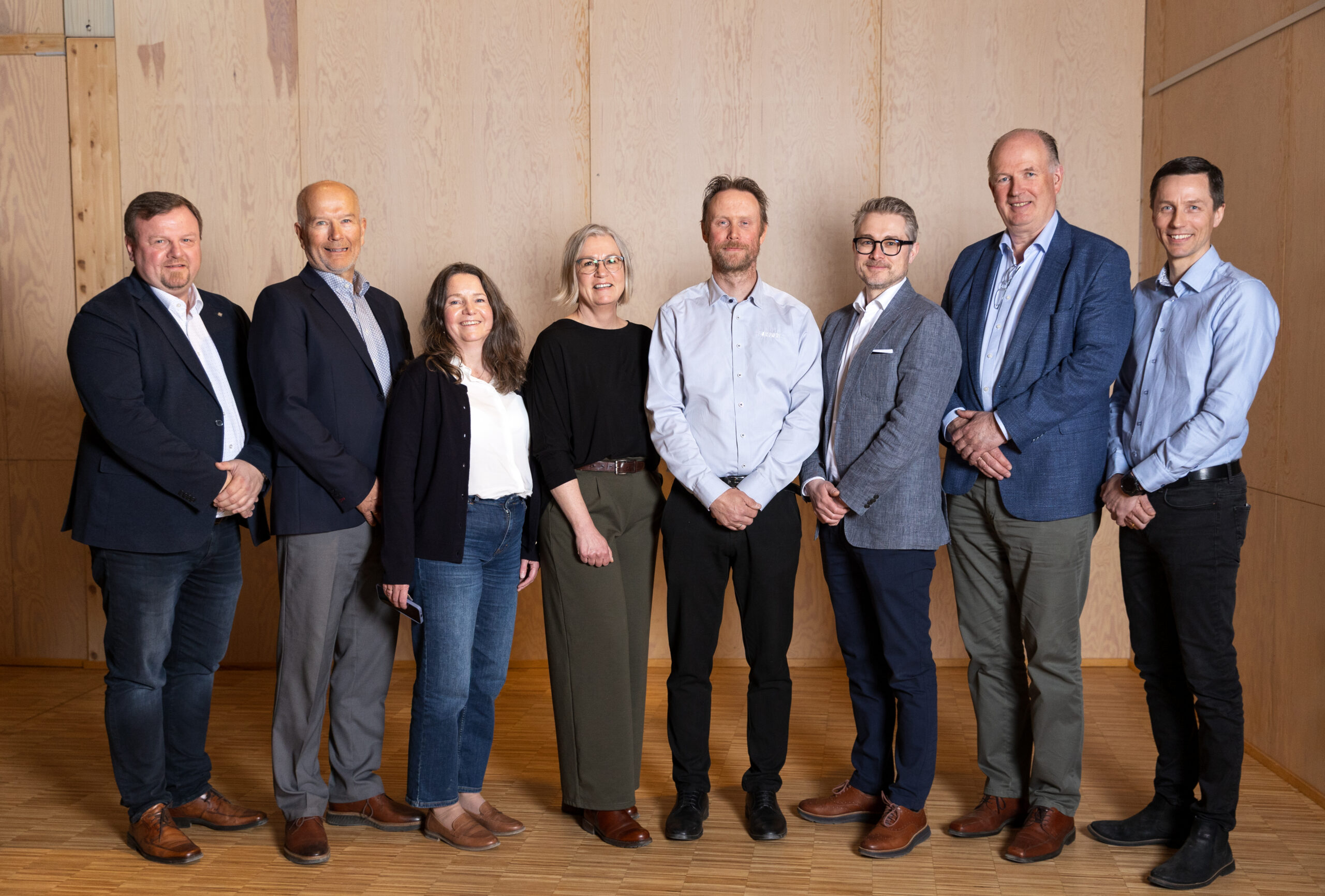
Renewal of the Board at the NWC Annual Meeting
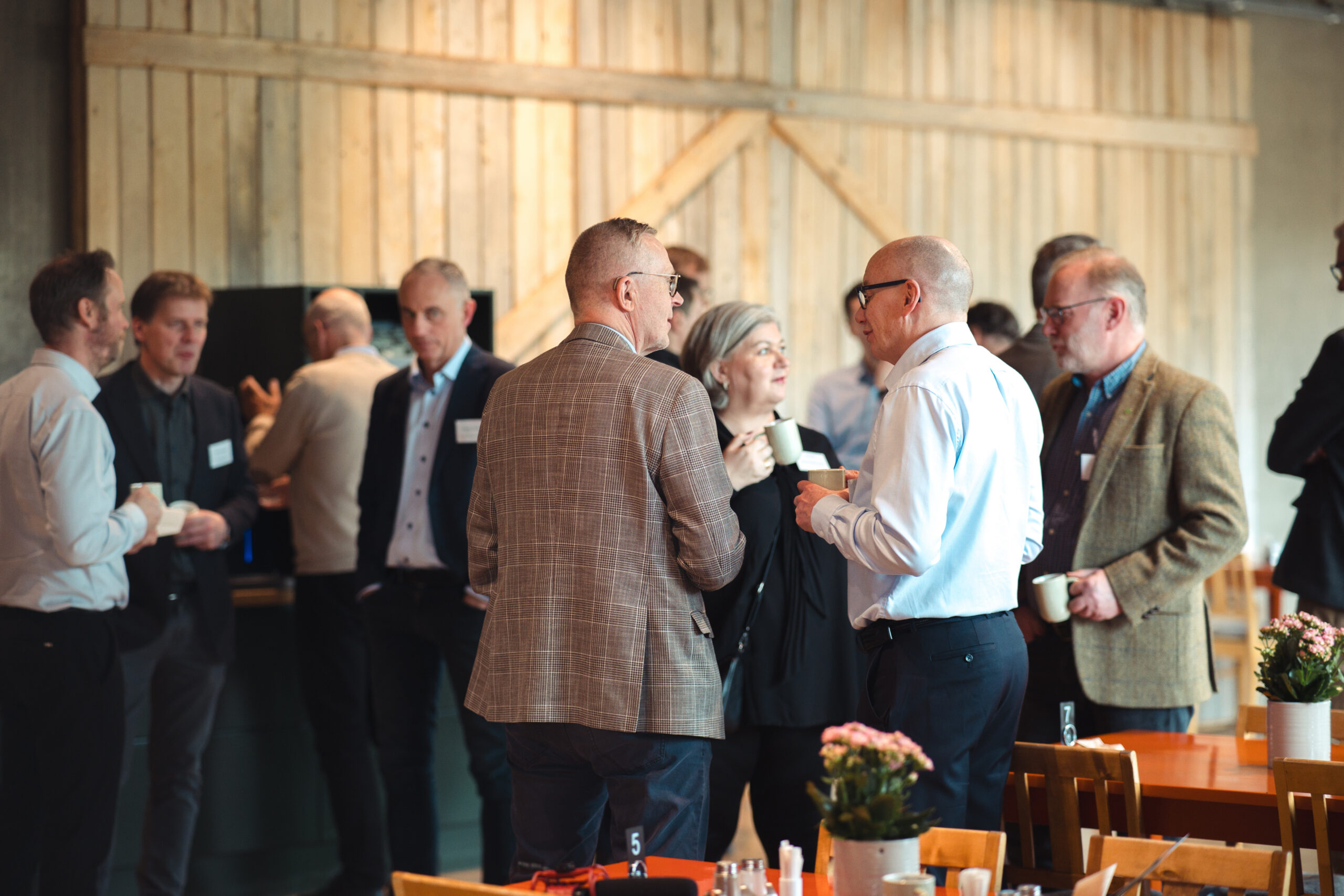
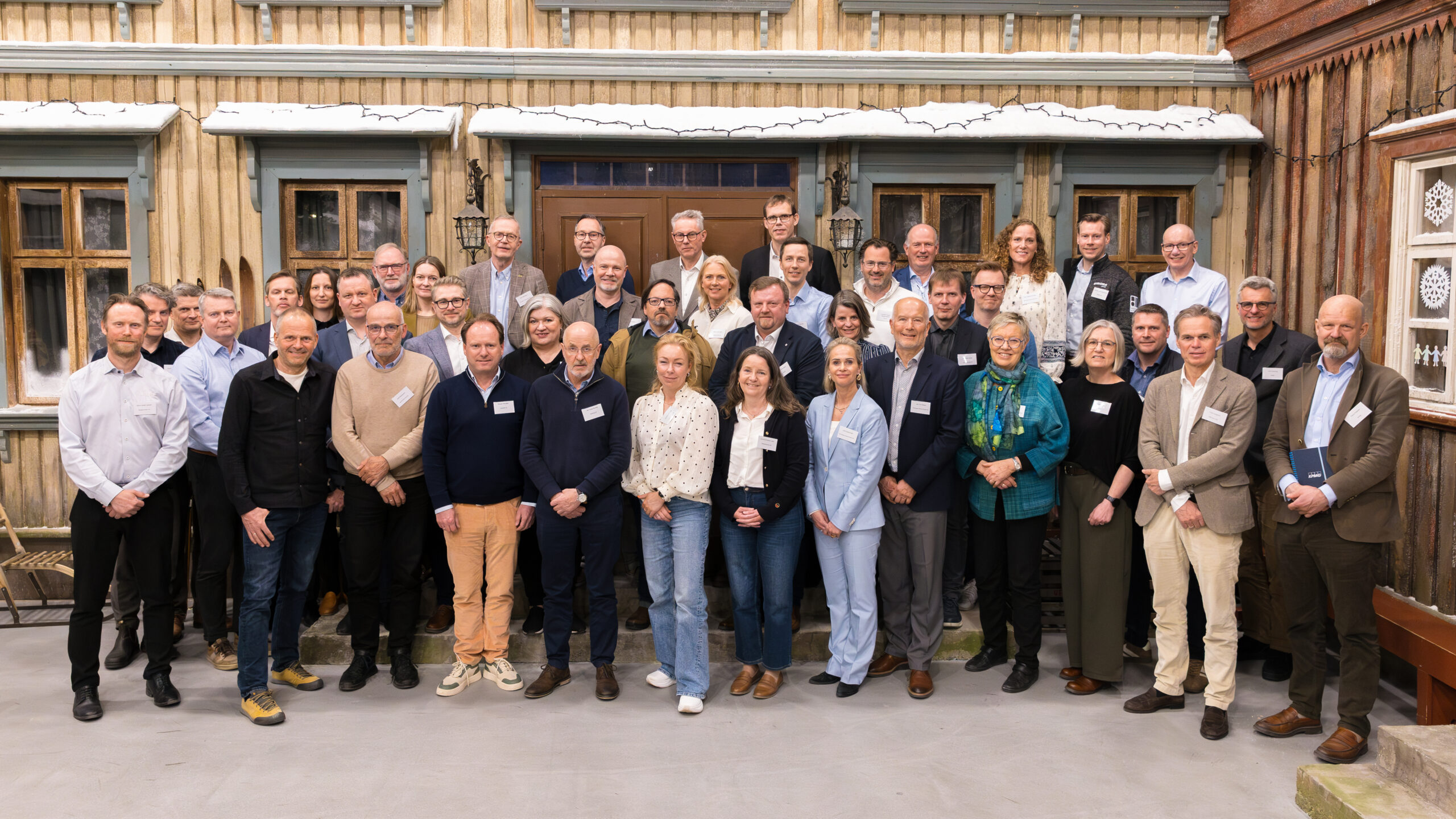
The Norwegian Wood Cluster held its annual meeting and subsequent shareholders’ meeting at Prøysenhuset on April 28, 2026. There was unanimous support for all items on the agenda and a positive atmosphere among the delegates.
Following the elections, the Norwegian Wood Cluster has the following elected representatives:
Board of Directors
Chair of the Board: Jan Tore Meren (independent)
Vice Chair Magne Vikøren (Moelven Industrier ASA)
Alternate: Vera Flatebø (Moelven Industrier ASA)
Board Member Tarje Braaten (Dynea AS)
Personal Representative: Hans Olav Wedvik (SpareBank1 Østlandet)
Board Member Kristian Hanssen (Forestia AS)
Personal representative: Jan Helge Nordby (Statskog SF)
Board Member Glenn André Jensen (Bergene Holm AS)
Personal representative: Marthe Lie (ARE Treindustrier AS)
Board Member Line Brynhildsen Løvli (Stangeskovene AS)
Personal representative: Jørn Nørstelien (Gausdal Treindustrier SA)
Board Member Øyvind Moshagen (Norconsult Innlandet Region)
Personal representative: Jørn Reiner (Kontur Arkitekter AS)
Board Member Lone Ross (NIBIO)
Personal representative: Audun Øvrum (Treteknisk)
Board Member Katrine Gilje Aalstad (Innsikt)
Alternate: Vibeke Tronrud Teslo-Andersen (Viken Skog SA)
Nominating Committee
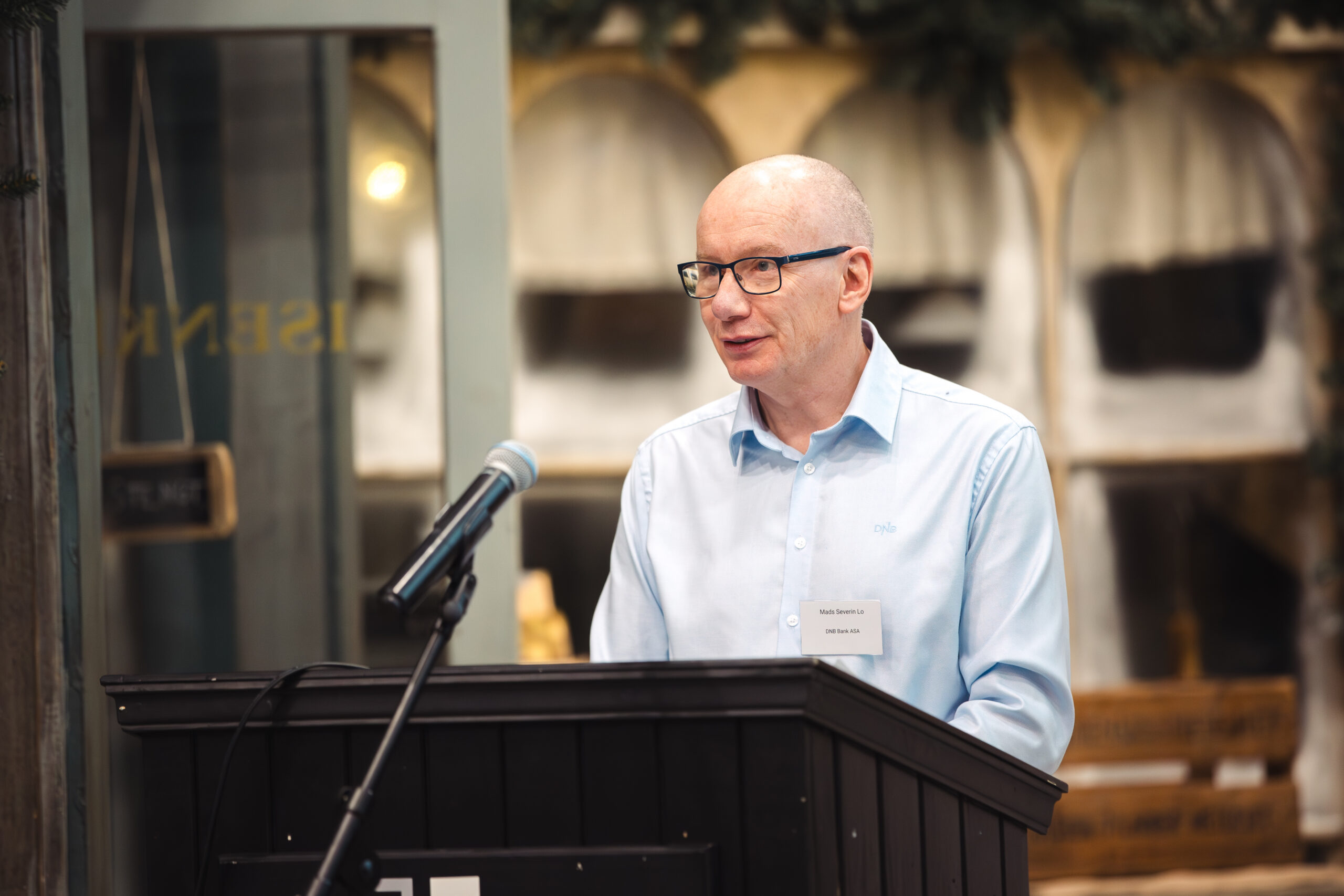
Chair Mads S. Lo (DNB Bank ASA)
Personal representative: Lars Storslett (Moelven Industrier ASA)
Vice Chair Anita Ihle (Glommen Mjøsen Skog SA)
Personal representative: Per Morten Wangen (Stangeskovene AS)
Member Morten L. Johansen (Splitkon AS)
Personal Representative: Eva Skagestad (Skogkurs)