



New start-up company joins NWC
With interdisciplinary expertise from architecture, civil engineering and construction, the start-up fits very well into the Norwegian Wood Cluster. Heimvaag AS is located in Ullensaker.

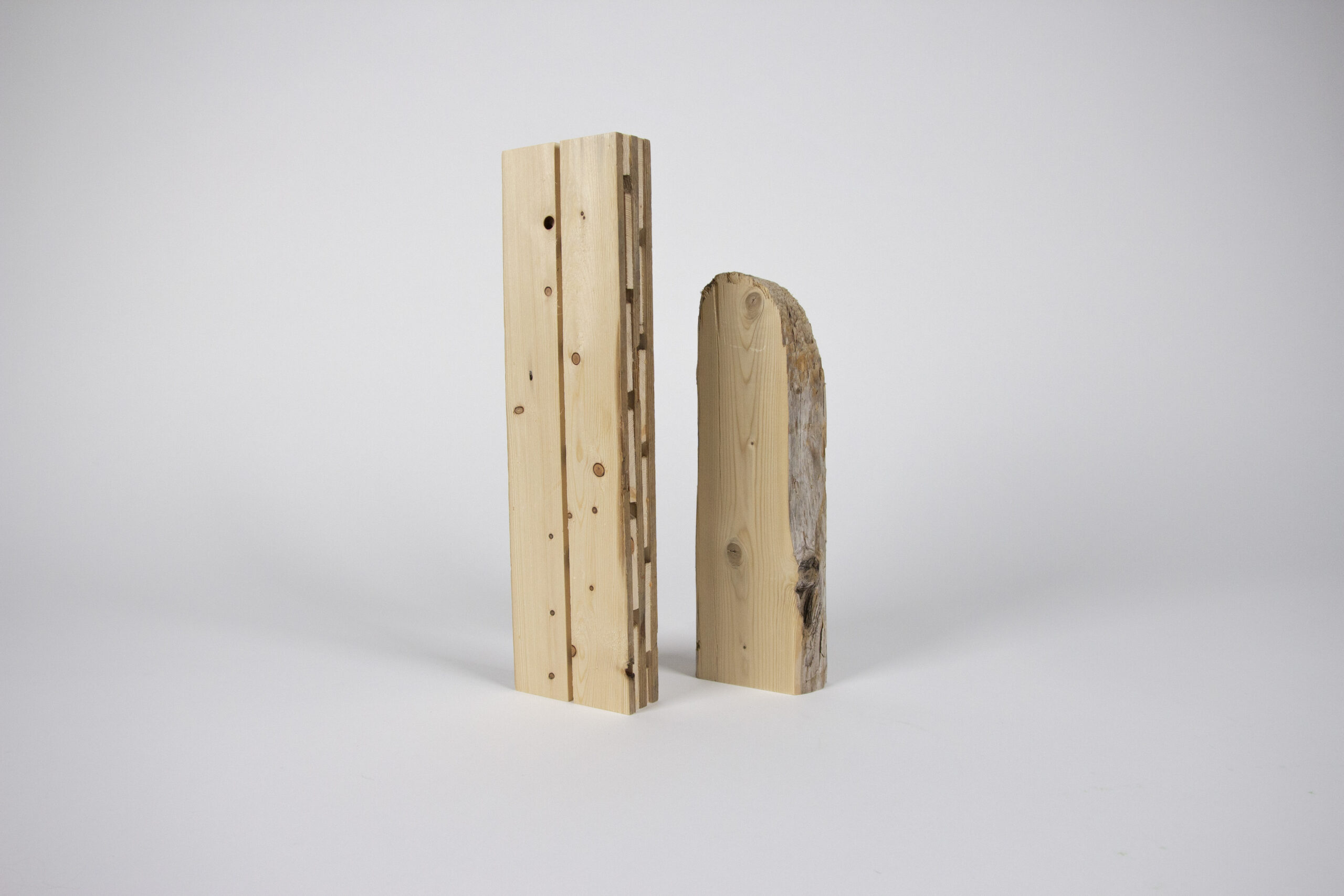
Nytt byggeprodukt basert på returtre
Det nyetablerte selskapet har en helhetlig forståelse av prosessene som knytter idé, design og byggbarhet sammen, og bruker arkitektur som en helhetlig tilnærming for å forvalte våre omgivelser og ressurser på en ansvarlig måte. Heimvaag AS har utviklet et byggeprodukt som kan utnytte urasjonelt trevirke og returtre, og løsningen er nå godt på vei i patenteringsprosessen med gode tilbakemeldinger.
Nå sikter bedriften på å bidra inn i konkrete innovasjonsprosjekter, som støtter klyngens mål om økt ressursutnyttelse og bærekraft.
– Vi ser store synergier mellom vår produktutvikling og klyngens fokus på teknologi, kompetanse og samarbeid. Derfor kommer vi å være en aktiv deltaker i erfaringsutveksling, utviklingsprosjekter og faglige fora som fremmer verdiskaping i treindustrien, sier Espen Heimdal. Han mener deltakelse i Norwegian Wood Cluster vil gi verdifulle nettverksmuligheter og tilgang til kompetanse på tvers av fagområder, fra råvareproduksjon til ferdige bygg.
– Nylig deltok jeg på klyngens workshop på Mjøstårnet for å identifisere nye sirkulære piloter basert på økt utnyttelse av trevirke som ressurs. En veldig interessant dag hvor hele verdikjeden var representert, der jeg nettopp erfarte nytten av klyngen som koplingsboks og kompetansebygger, sier Espen Heimdal, som mener mange av utfordringer som må løses, krever samarbeid.
– Større valgmuligheter innenfor byggeprodukter av returtre er kun en del av den større omstillingen for hele verdikjeden, og det er nettopp her Norwegian Wood Cluster er posisjonert for solide fremskritt, sier Heimdal.
Spennende oppstartsbedrift
Klyngeleder Berit Sanness ønsker Heimvaag velkommen som nytt medlem i Norwegian Wood Cluster.
– Det er kjærkomment å få inn en oppstartsbedrift som bringer nye ideer og løsninger inn i verdikjeden vår. Vi ser derfor fram til å bli bedre kjent med Heimvaag, sier Sanness.
Formelt er det styret i Norwegian Wood Cluster SA som behandler søknad om medlemskap i klyngen. Heimvaag AS ble tatt opp som medlem den 4. november 2025.
New offer: Vocational training in production technology and logistics for the wood industry
The new offer is session-based, and the physical sessions are held at Gjøvik. The aim of the training is to provide participants with the necessary skills to pass the theory exam in the subjects PRT3103 (production technology) and LOG3103 (logistics) in the fall of 2026, and later take the professional exam.
Who can participate?
To apply, you must have:
- Minimum 1 year of relevant experience
- Documented primary school and valid residence permit
- Apply for upper secondary education / prior learning assessment via www.vigo.no
For the logistics profession, you must also pass safety training for forklift classes T1, T2 and T4.
Teaching method and plan
The training is session-based with physical meetings and some digital sessions. The sessions are mainly conducted Fridays 09-14 . The first session on January 9 will focus on HSE. This will be followed by topics such as production planning, process management, quality, maintenance, hydraulics, pneumatics and electronics. In the fall of 2026, the focus will be on exam preparation. In the autumn semester, it is possible to participate in some elective courses in timber organized by the Norwegian Institute of Wood Technology.
The teacher is Jørn Thore Morønning, who has extensive experience from transport, logistics and the wood industry.
This is a unique opportunity for employees in the wood industry to strengthen their skills and secure a trade certificate – an investment in both their own career and the company’s future.
Contact persons:
NWC: Knut Amund Skatvedt, knut.amund.skatvedt@treteknisk.no
Career Innlandet Gjøvik: Servicetorg tlf. 91007631, e-mail ki.gjovik@innlandetfylke.no
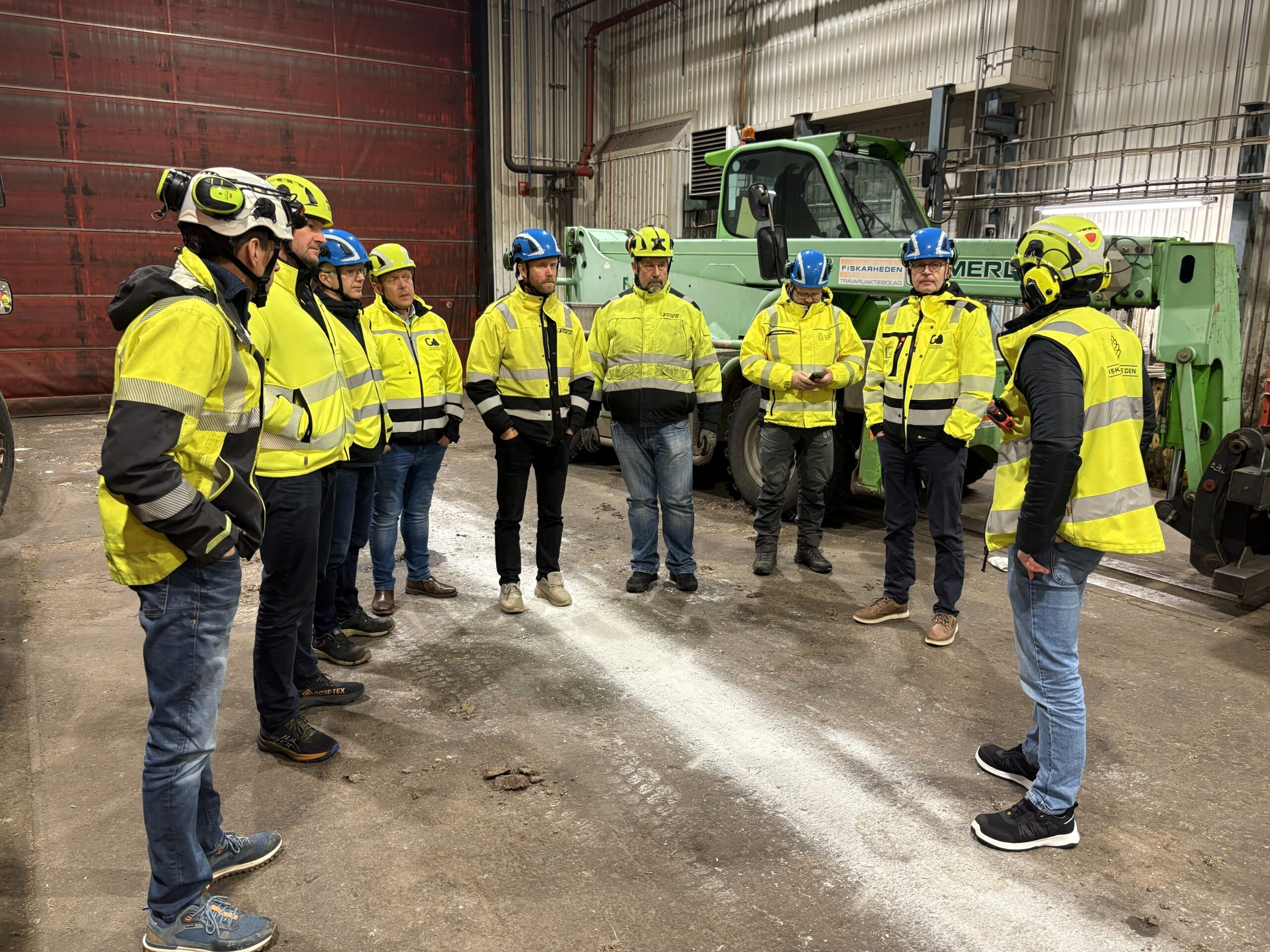
Fiskarheden about sorting without a CT scanner: - Rather let the saga stand!
Great conditions in Sälen
The Vasaloppet, which is the largest ski race in the Nordic region, starts right outside the sawmill gate at Fiskarheden. There are also great conditions inside the fence, where 850,000 m3 of timber is processed annually – with North Africa as the most important market. The sawmill is a cornerstone business in the municipality, and Martin Eriksson was able to talk enthusiastically about its unique corporate culture and important contribution as a community builder.
Unexpected effect of CT scan
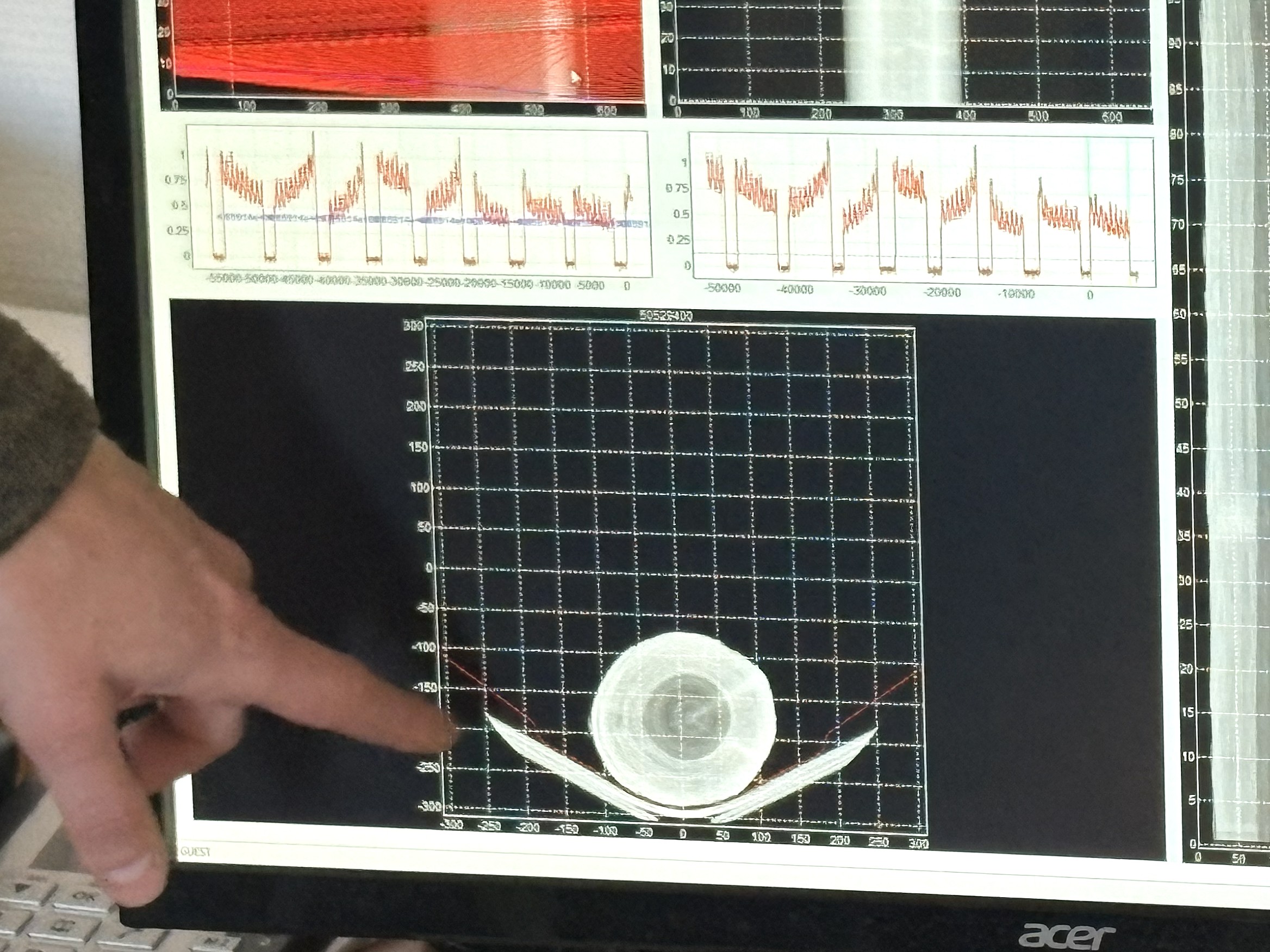
The company installed the Microtec CT log system in 2018. They made careful calculations ahead of the investment, and have experienced major improvements in quality and yield because the sorting by diameter and log shape provides a very efficient utilization of the raw material.
During NWC’s visit, MiCROTEC’s 3D frame was still intact in the timber sorting system. However, this will only be used if the CT scanner is out of operation for a long period of time. Incidentally, we found that accuracy and “order and tidiness” characterized the entire business – Fiskarheden appeared to be a unique business for the woodworking industry.
The study trip to Fiskarheden is part of the “TRE-Automation” project, which Norwegian Wood has carried out with support from Innovation Norway. The project ends in 2025.
More to learn?
NWC will follow up the visit with a webinar on December 9, where the theme is the use of AI for sorting, with presentations from MiCROTEC and Iteria. Read more and sign up here.
Throughout the winter we will present several topics in the course series NWC Insights. These onlineonline courses will be free for members and will have a low threshold but high practical relevance.
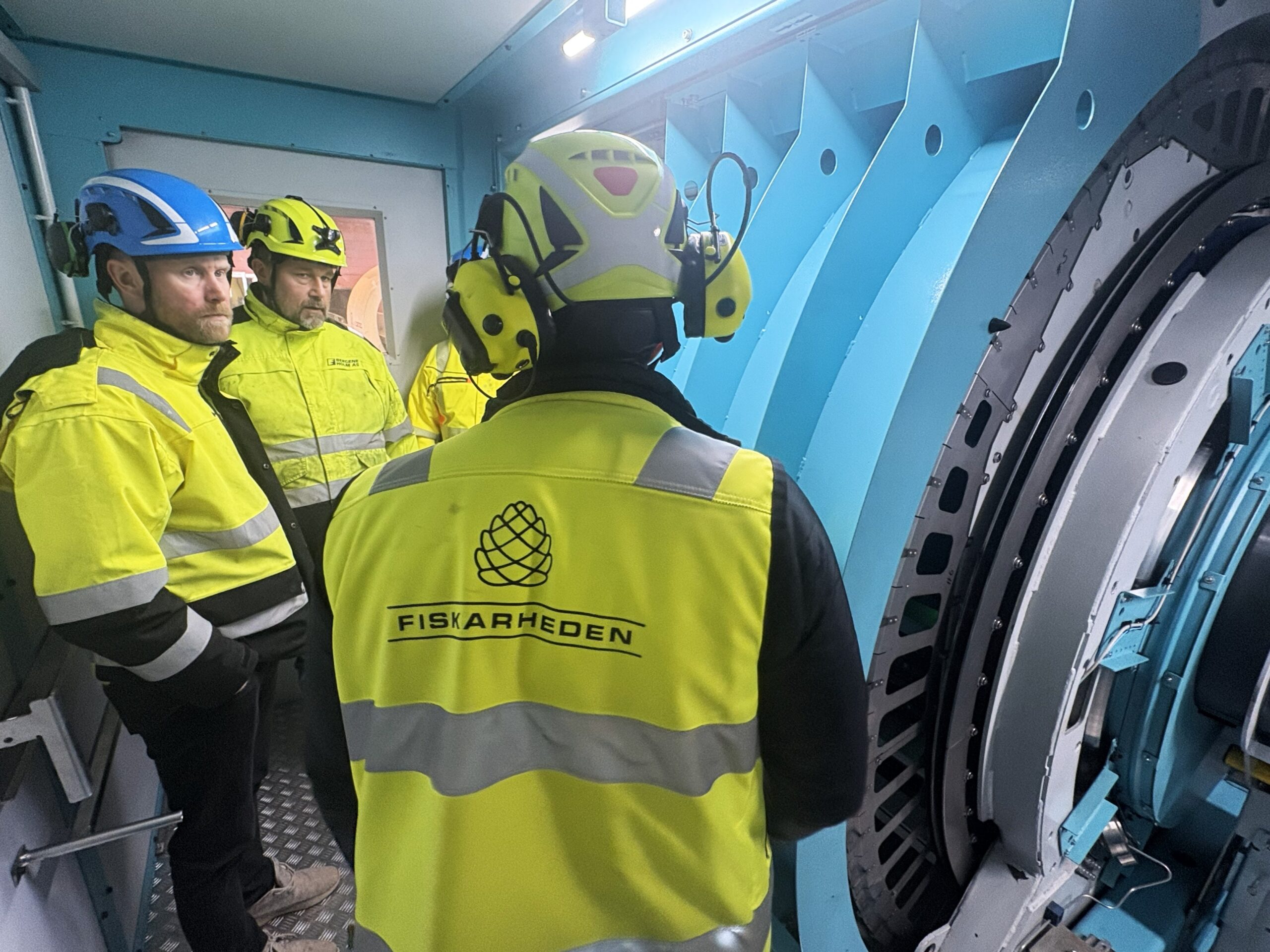
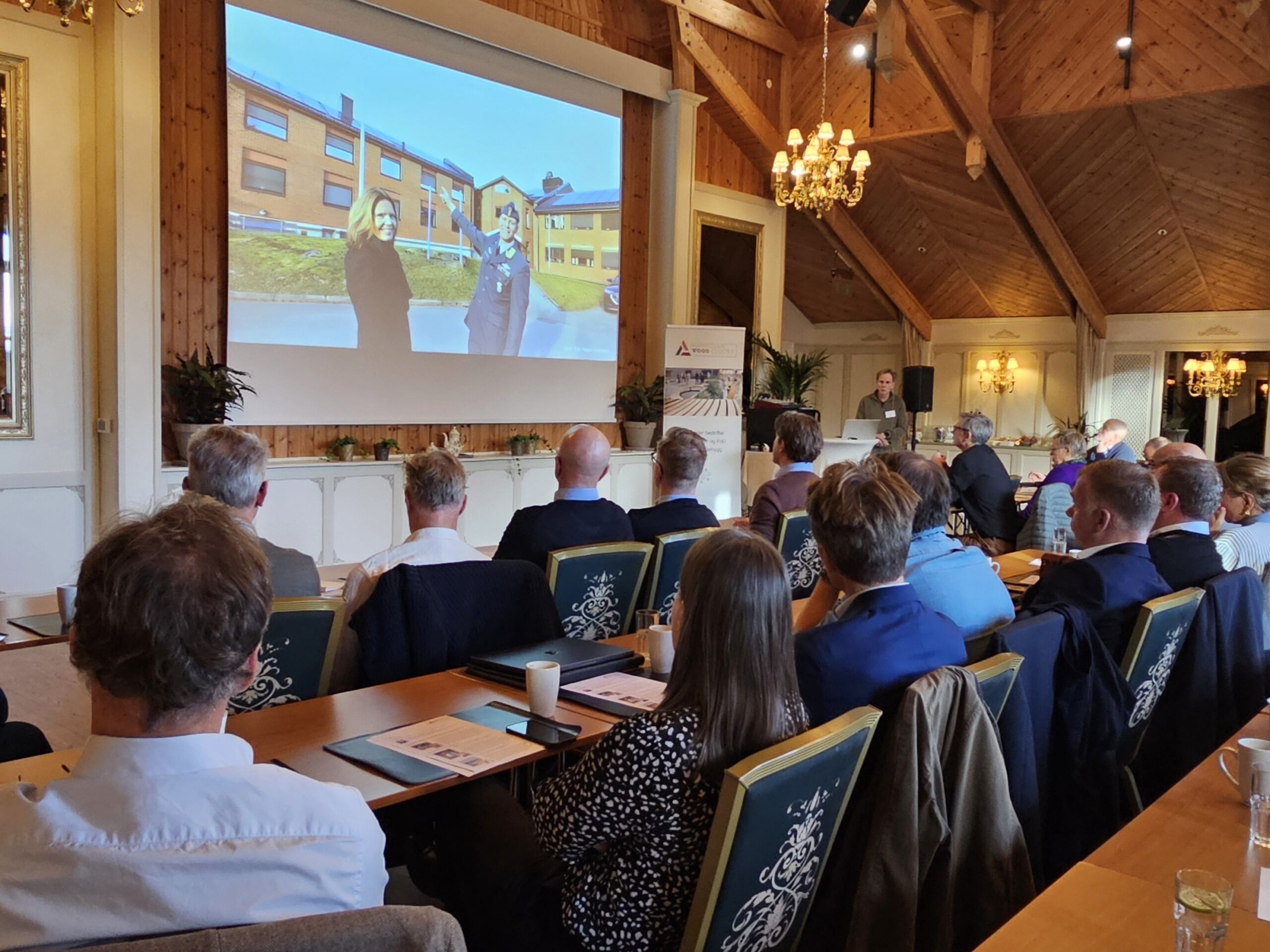
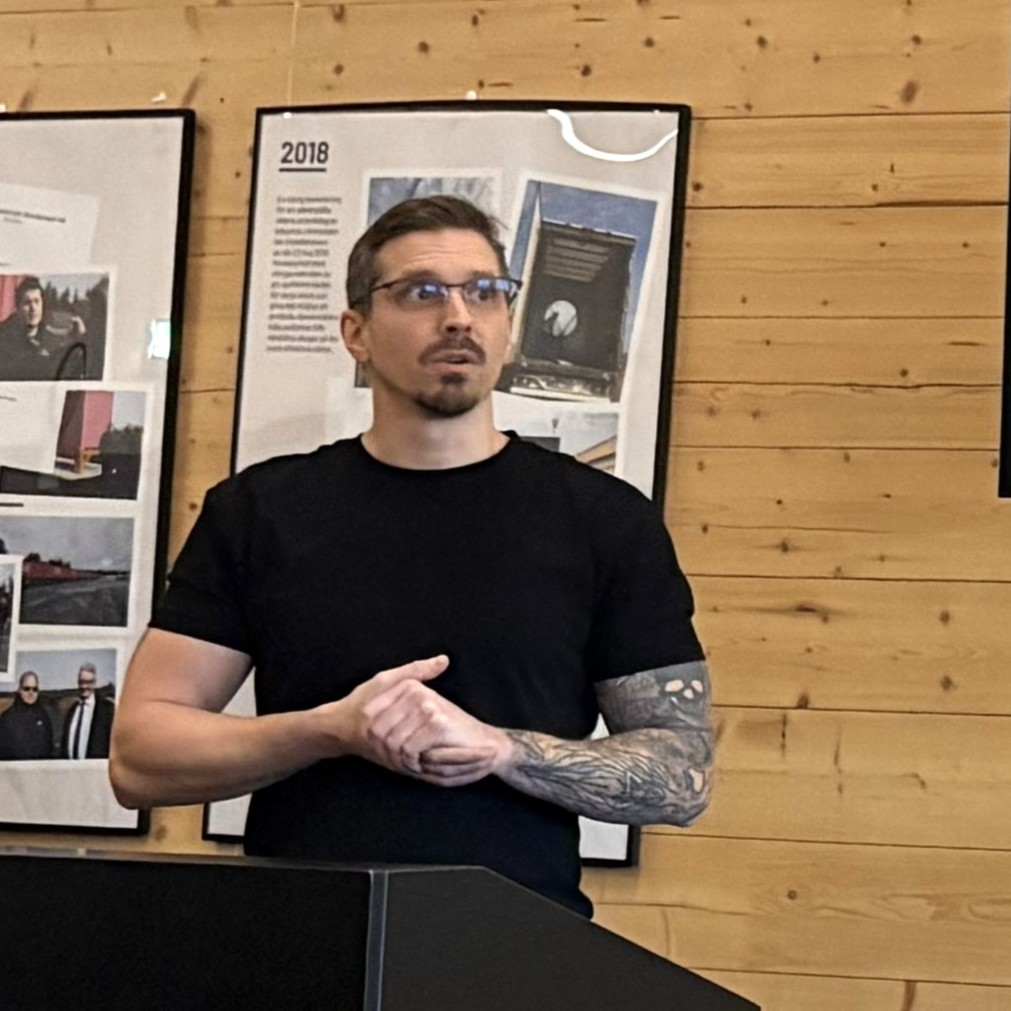
Glimpses from this fall's senior management gathering

Want more standardization
Magnus Sparrevik is head of sustainability at the Norwegian Defense Estates Agency, and we invited him to this year’s top management gathering to talk about sustainability and material use. In the coming decade, the Norwegian Armed Forces plan to invest NOK 114.1 billion in building and construction. In addition, they have a goal of cutting greenhouse gas emissions from material use, which should provide good opportunities for our industry.
Sparrevik mentioned, among other things, that Forsvarsbygg is very keen to look at standardized solutions for its category buildings, both buildings for education, accommodation and other facilities. In addition, there is a focus on circular solutions, better resource utilization and flexible buildings, which may be worth noting for market players.
Great potential for extensions in height
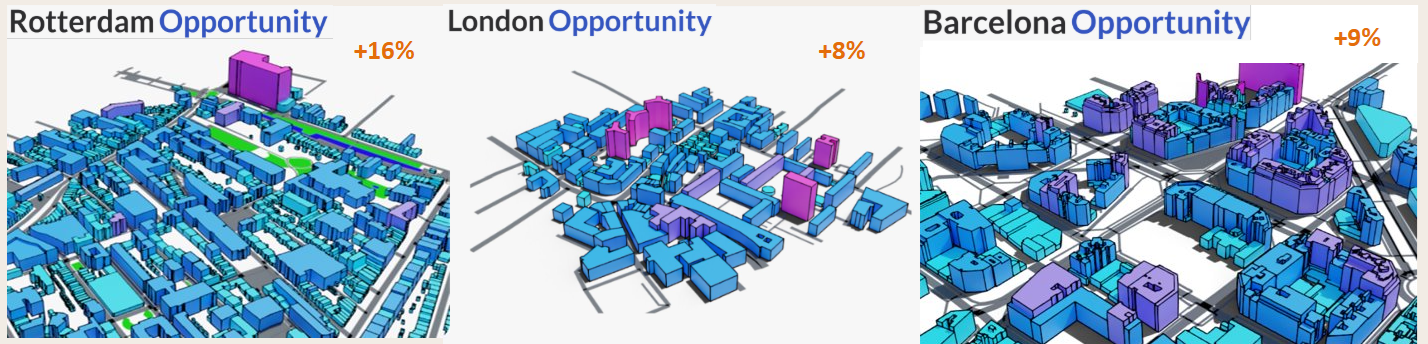
British Kelly Harrison is sustainability manager at architectural firm WhitbyWood and is working on a Dutch Pan European project called “Optoppen”. Through the project, they’ve developed an app that shows the potential for adding wooden structures to the height of existing buildings.
The app is aimed at planning authorities and urban developers, to calculate how extensions can solve development needs without taking up more land. By inputting existing buildings and defining how many storeys you want, the app will tell you what’s possible and compares the potential of timber structures versus steel or concrete decks(www.optoppen.org). “This has become a verb now, people are ‘topping up’. It almost became a movement, not just an app and a project,” said Harrison.
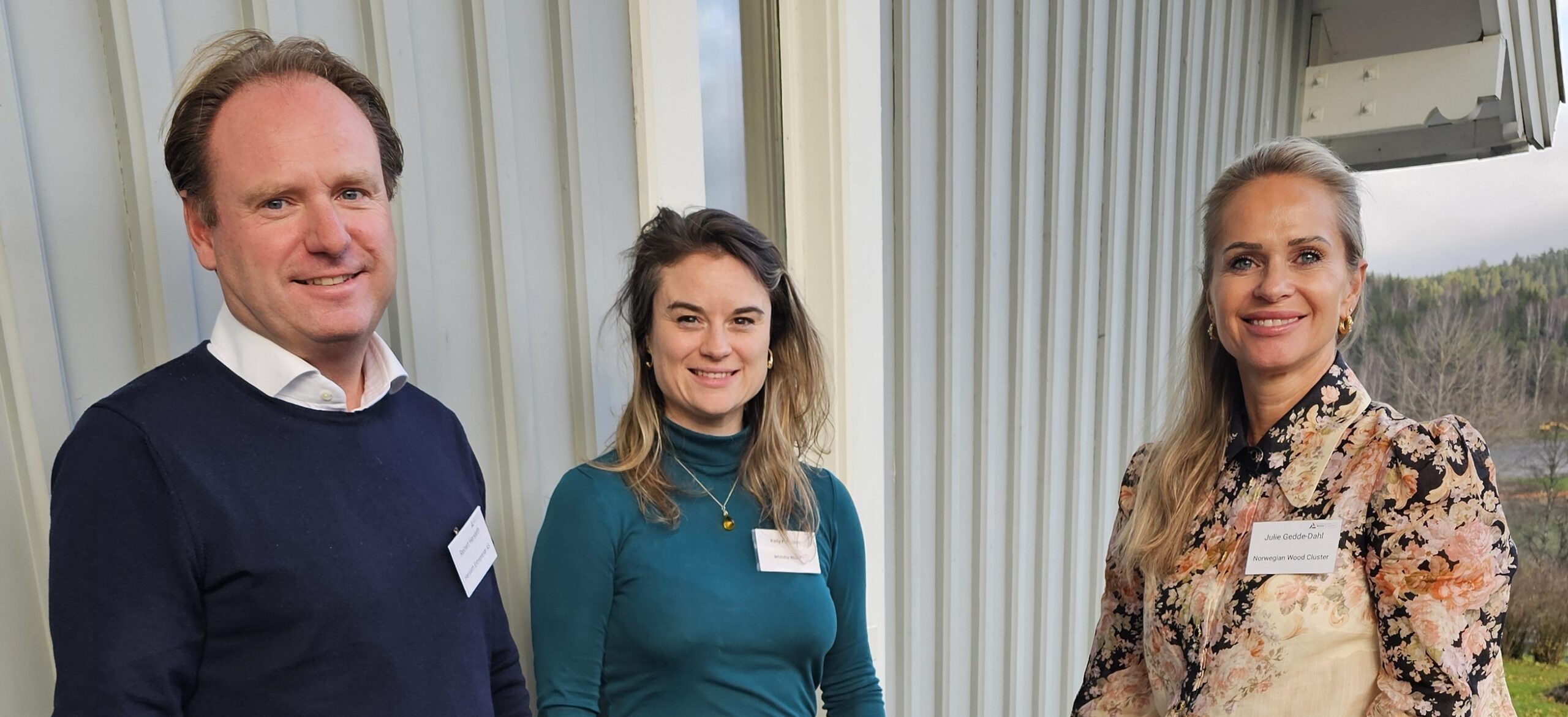
Reinert Hersleth is CEO of Hersleth AS, which builds commercial buildings, sports halls and residential buildings. The company has started its own element production to make the construction process more industrialized and efficient, and has good solutions for high-rise extensions. But there are other challenges that need to be solved for building at height – regulatory and financial. That’s why Hersleth has invited industry organizations, authorities and the Norwegian State Housing Bank to collaborate.
– 130,000 new homes are to be built and politicians will not be able to do this alone. “We have many apartment blocks from the post-war period that need upgrading. Here you can build on one floor, the condominium sells the roof and uses the profit for rehabilitation, energy efficiency and installation of elevators, which will also contribute to the ageing wave by allowing existing residents to live at home longer,” explained Hersleth.
A future with wooden buildings
Jørgen Tycho from the architectural firm Oslotre is known as a keen ambassador for nature-based materials and circular solutions. “The average Scandinavian lives 90% indoors, surrounded by synthetic and artificial materials. Asthma and allergies have increased twenty-fold and we find far more environmental toxins in human blood now than before. We are as far away from nature as it is possible to get, and we need to change that by thinking regeneratively,” said Tycho.
This was supported by partners Thomas Thorsnes and Francisco Kocourek of R21 arkitekter, who have ambitions to create architecture of a quality that allows things to be preserved and passed on. Among other things, R21 has developed a prototype of cabins called “Tre på rad” (Three in a row) with laminated lath logs, a modern construction method based on long building traditions. This is a cabin concept developed with the ambition of combining architectural quality, flexibility and sustainability in a compact format. The building system can be mirrored and rotated so that the cabin can be adapted to different plots and orientations – regardless of sun, view, access or terrain.
– We use a lot of wooden elements in facades, which often stand up to price competition with other materials. We use prefabricated wall elements in wood or precut in almost all projects. Suppliers show great flexibility, but we need to challenge each other so that production, quality, durability and visual expression are combined,” said Thorsnes.
R21 was asked how interior surfaces withstand hard use, and Thorsnes commented: “I think it’s easier to live with nicks in wood than in plaster. Wood gets a nice patina when it’s used. Tycho supplemented with comments from school caretakers who report less vandalism and maintenance costs. He added that the wooden floor at Gardermoen has only been sanded once in 30 years….
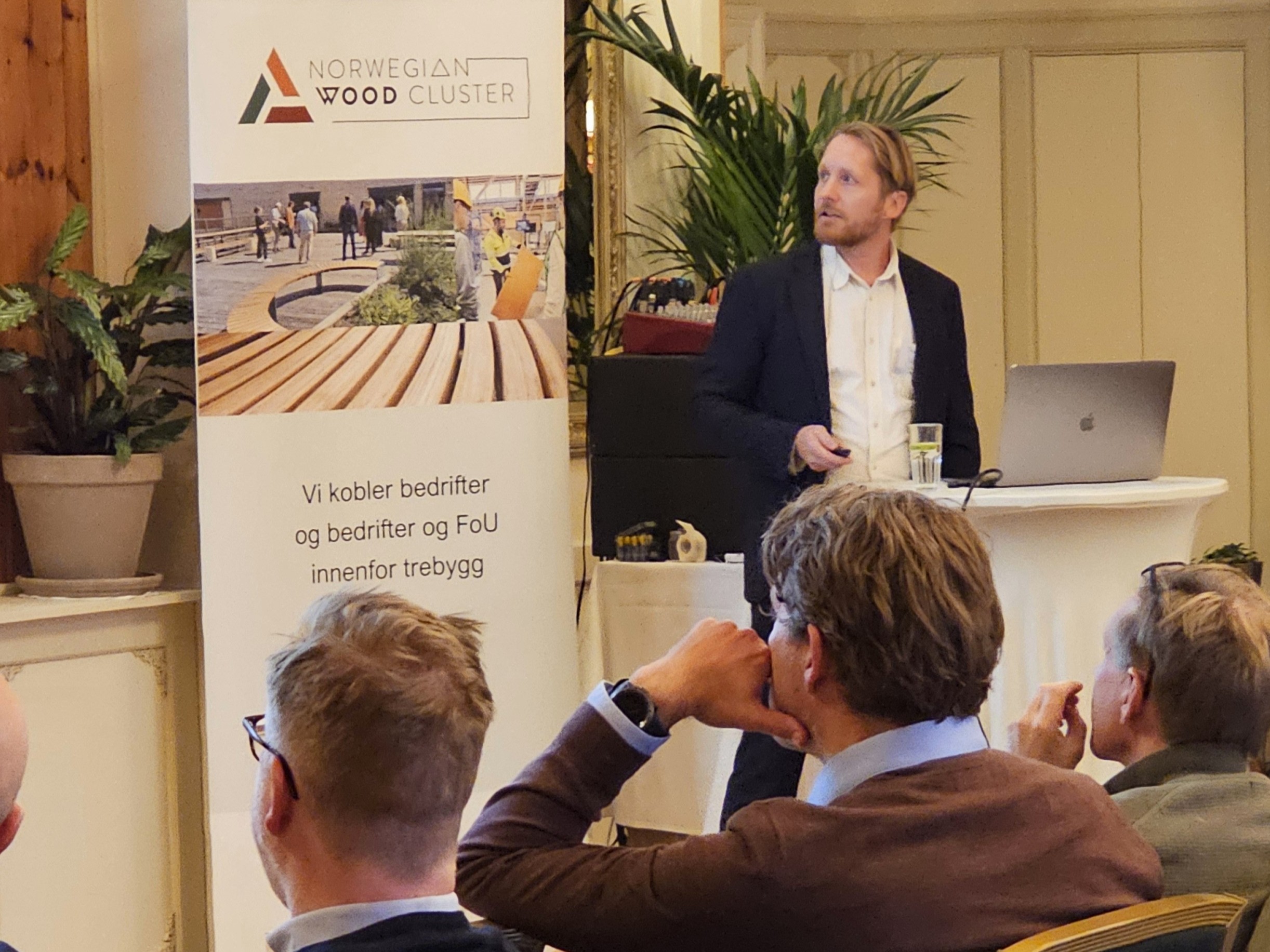
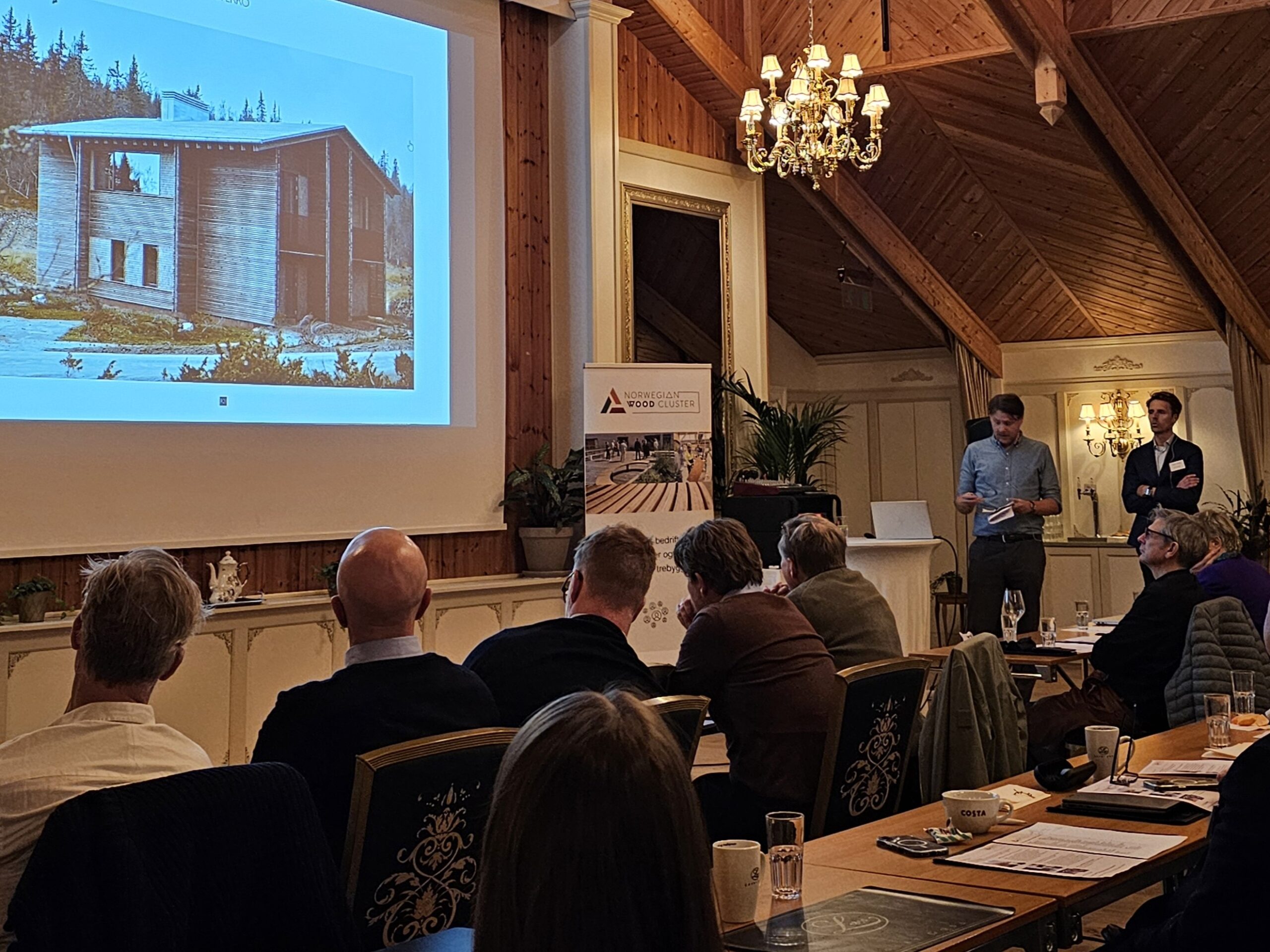
R&D center with biomechanical lab in Skjerven biopark
Finally, Arne Jebsen, CEO of Hunton, gave an update on the development of Skjerven Biopark in Gjøvik. In addition to focusing on green industrial and commercial establishments, a separate R&D center with a woodworking lab is being developed centrally in the park. It will act as a resource center for the companies that establish themselves in the biopark, but also offer research activities and facilities for other businesses in the forest and bio industries.
Hunton is the developer of the R&D center, which is scheduled for completion in 2026.
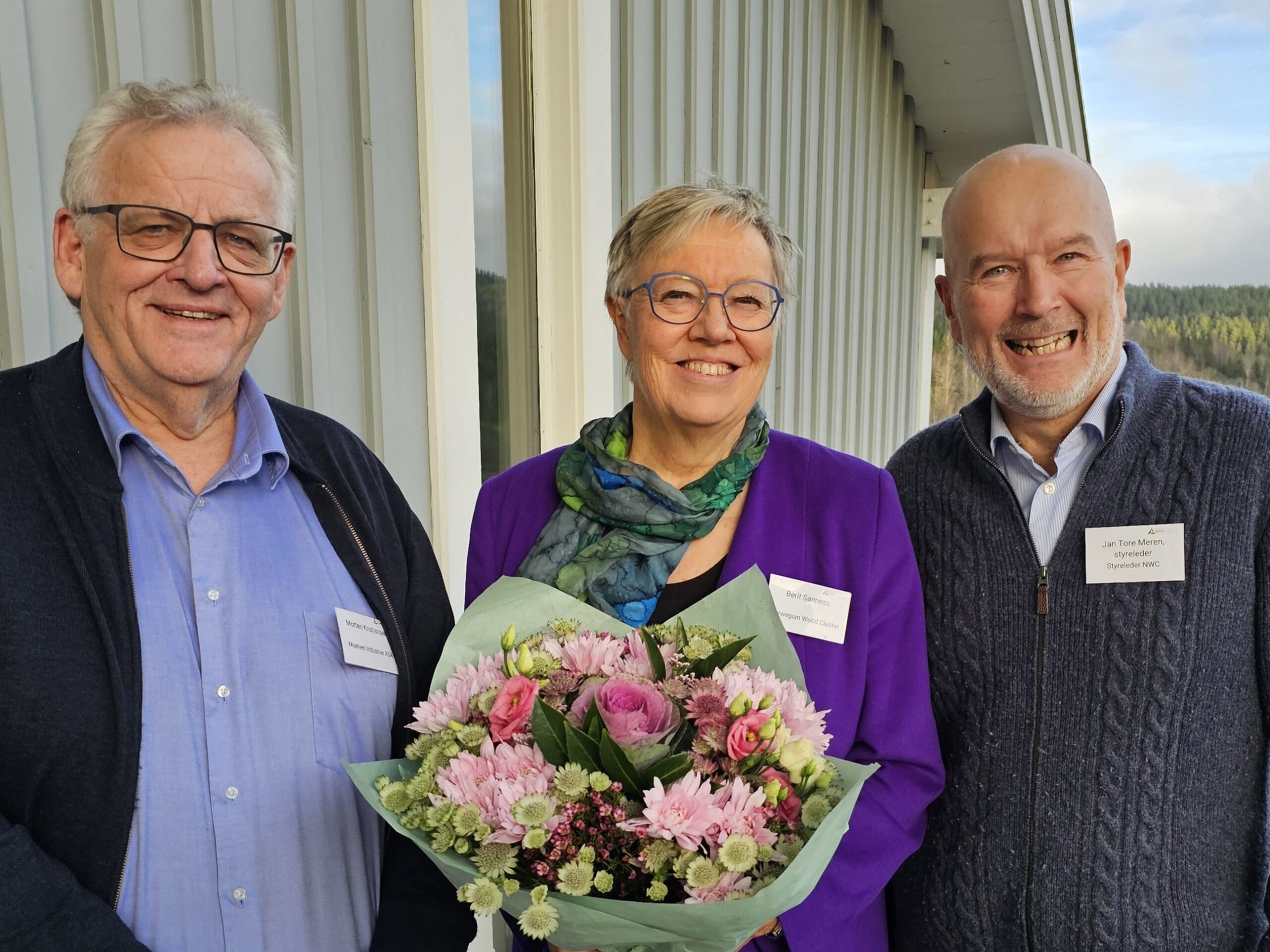
Cluster success - an important signal for the industry
Moelven’s CEO played a key role in the establishment of the Norwegian Wood Cluster. During the top management meeting at Losby Gods on November 4, 2025, he summarized the positive cluster development after nine large companies around Lake Mjøsa founded the cluster in 2017.
Strong national cluster
– It became clear at an early stage that we needed to broaden our focus and not limit this to a cluster for Inland Norway. We have succeeded in doing so. In eight years, Norwegian Wood Cluster has become a strong national cluster that has started its international journey. At the same time, it’s clear that in order to benefit from the cluster’s work, you have to change your mind a little. After all, you’re basically sitting around the table with your competitors. You need to mature so that you see the value of collaborating where you can and competing where you have to. We’re seeing the results now,” Kristiansen said.
Congratulations on another promotion
In 2020, Norwegian Wood Cluster was accepted into Innovation Norway’s Arena program.
– “The cluster has now been promoted again in Innovation Norway’s cluster program, which is very gratifying. The industry needed this victory,” said CEO Morten Kristiansen.
– The timber industry is currently experiencing strong headwinds, and we wonder when they will subside. Housing construction has not been this low since after the war. Politicians talk about AS Norway doing well, but our value chain doesn’t quite agree with that. We know it will turn around. In the meantime, the industry is losing valuable expertise as a result of downsizing and closures,” said Kristiansen, who pointed to the simplification of construction as one of the areas where the industry faces common challenges.
Prioritizing active participation
The CEO explained that Moelven prioritizes active participation in all parts of the Norwegian Wood Cluster and pointed out how the companies can use the cluster in the future.
– “There’s no doubt that it’s the companies that have to do the work – the cluster is the tool. “Things are very demanding in the industry right now, but we mustn’t be too short-sighted. We’ve been through tough times before, and it’s precisely in the dark times that we need the long light. What’s more, it’s vital that we have the courage to work together and not become too navel-gazing. The best way to take on big challenges is together,” concluded Morten Kristiansen, CEO of Moelven Industrier.
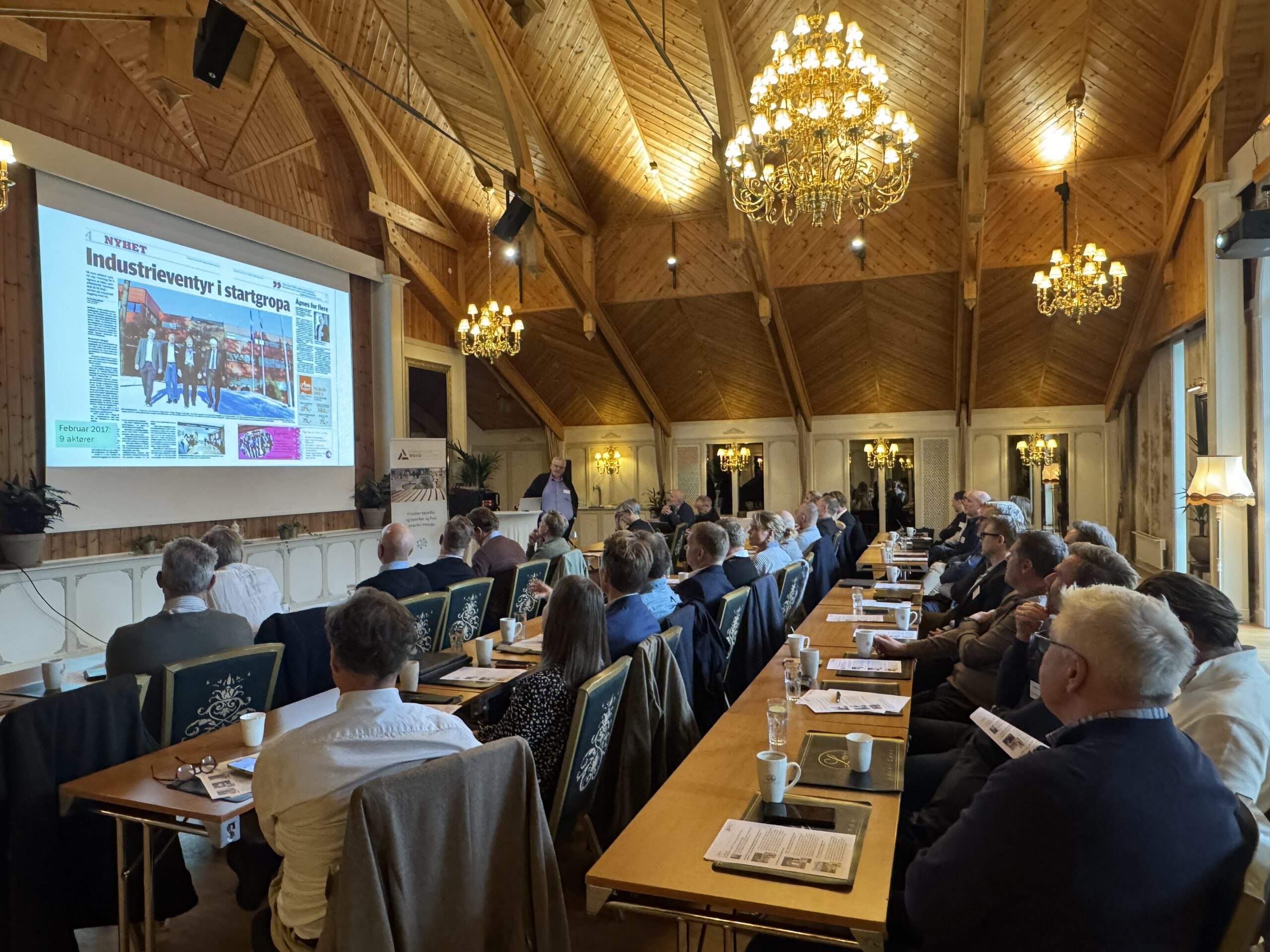

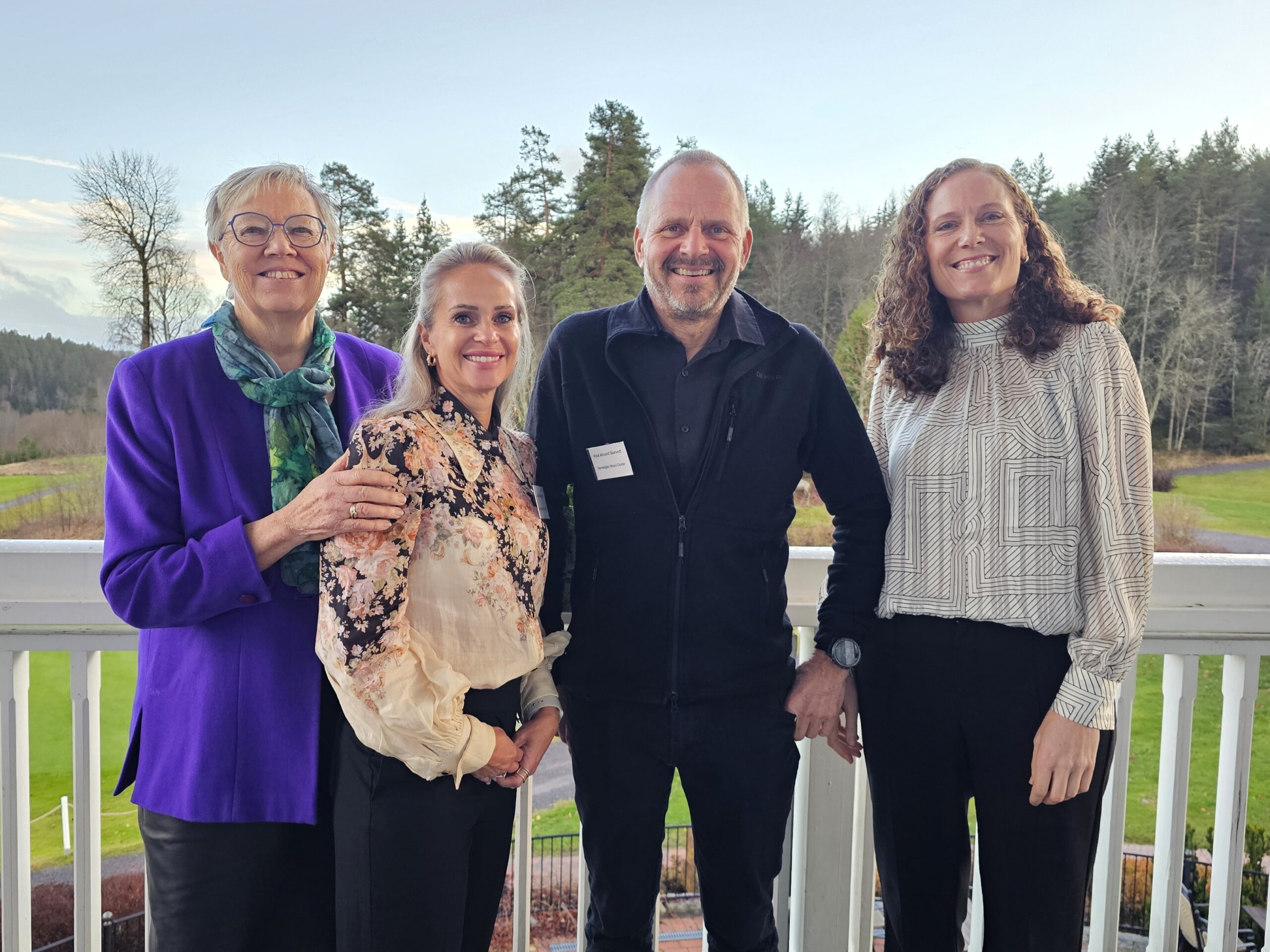
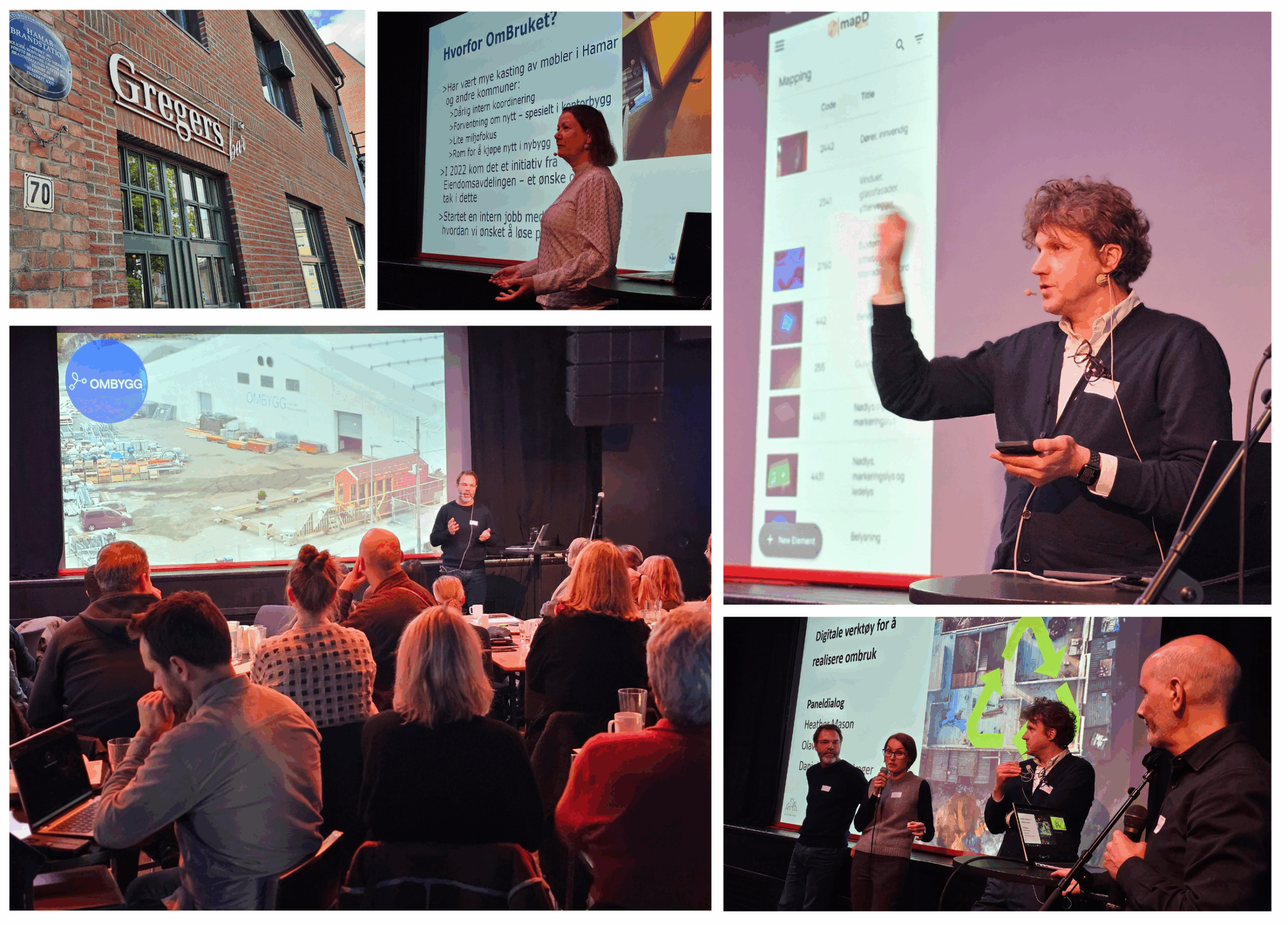
Digital solutions for reuse - the technology is ready, now the data needs to speak the same language
The gathering brought together players from the entire value chain – builders, municipalities, consultants, architects, contractors, suppliers and technology environments – and provided a picture of where the industry stands, what hinders us, and what works in practice.
Concrete examples from FutureBuilt, TEMA Eiendom and Hamar Municipality showed how reuse can be integrated into both projects and ordinary operations when digital tools, physical solutions and clear routines work together. The projects documented significant benefits in the form of reduced emissions, lower costs and new architectural expressions – but also that circularity requires planning and a broad approach, and cannot be solved through individual measures.
The technology presentations from Diplom, Materia and Map.D showed that the tools are now ready: data can be mapped, structured, enriched and shared across systems using standards and artificial intelligence. The challenge is not a lack of technology, but the need for a common data language, high data quality and a willingness to connect solutions.
The group work and panel discussion confirmed a clear common picture: reuse must be introduced earlier in the projects, logistics and responsibilities must be clarified, and culture and level of ambition are crucial to whether the technology is actually adopted. Overall, the gathering pointed to one clear direction: to move from fragmented initiatives to a coherent system that makes reuse easy, safe and truly feasible in the Inland Region.
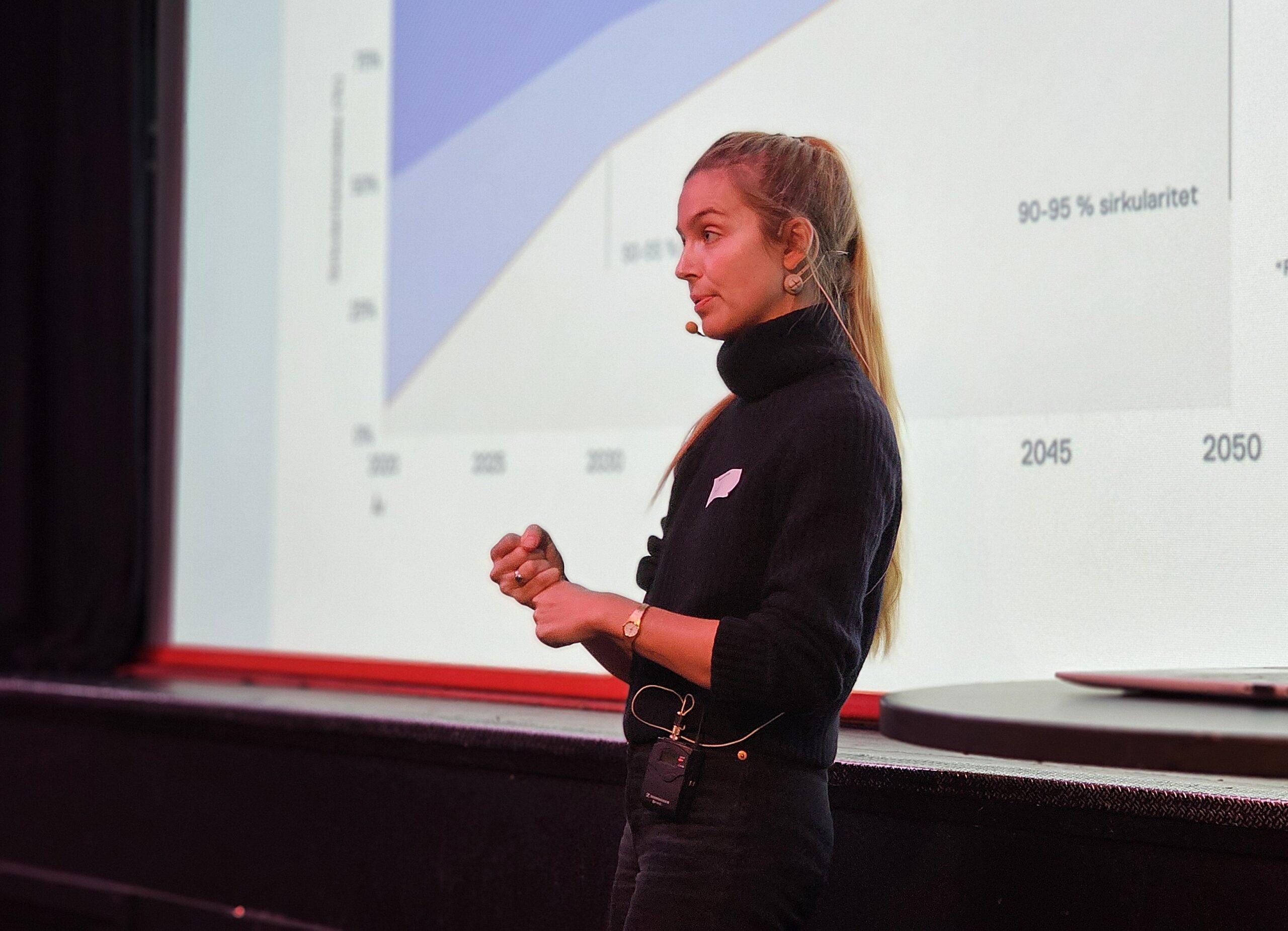
Nora Håland Hay presenterte Futurebuilts Sirkularitetsindeks, et nyttig verktøy for å måle sirkularitet i et byggeprosjekt, og viste frem prosjekter med høye ombruksambisjoner. “Når vi først kommer i gang med å bruke gjenbrukte materialer, skal det ikke mye til før markedsmodellen snur. Da vi for eksempel gjenbrukte hulldekker i Kristian Augustgate-prosjektet (Futurebuilt-prosjekt), var disse 10 ganger dyrere enn nye. I dag er prisen lik, sa hun.
Foto: Mari Blokhus Nordtun
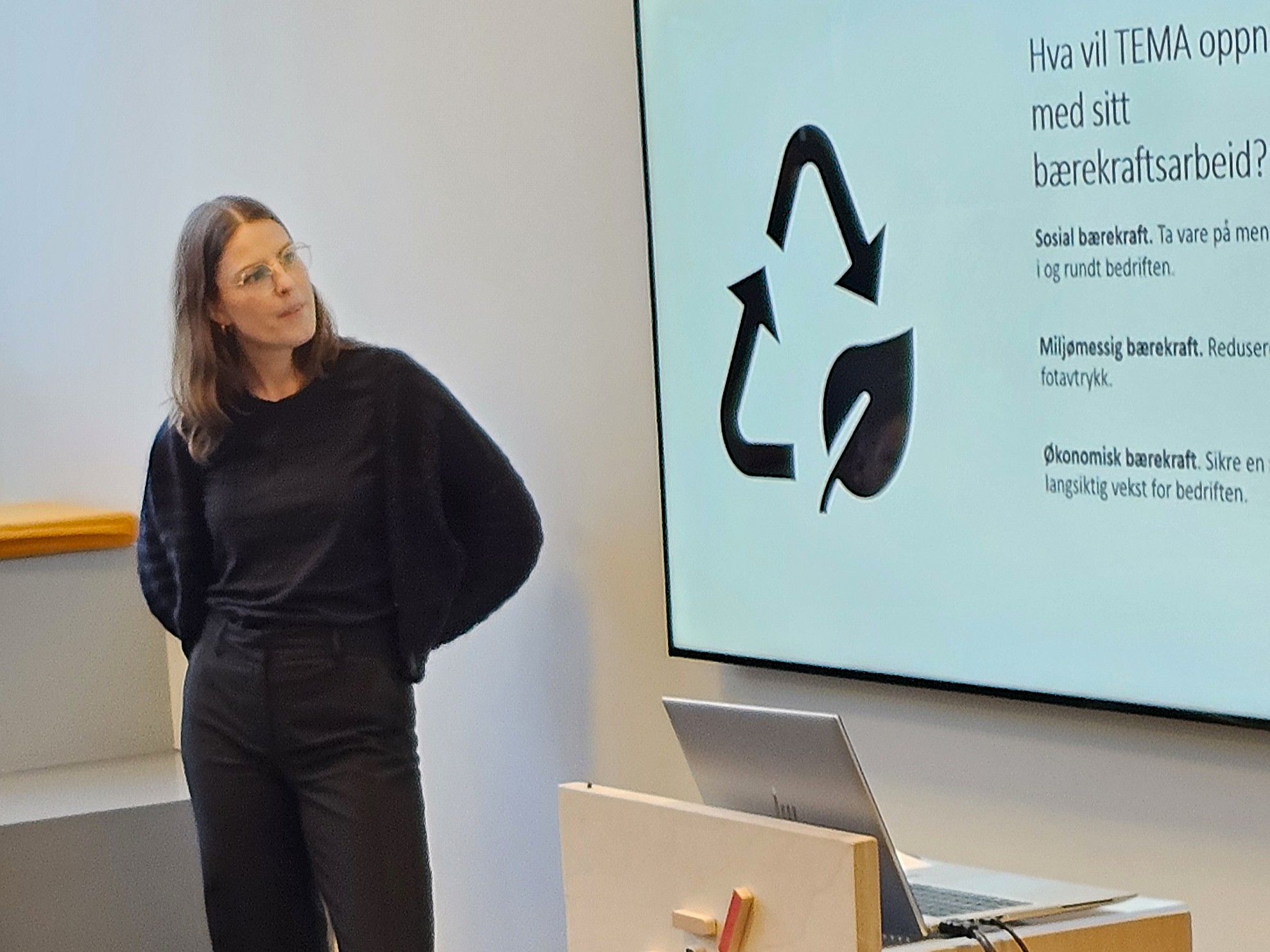
TEMA Eiendom bruker Loopfront for å registrere gjenbrukbare møbler og byggevarer fra egne prosjekter, og målet er at mest mulig skal gjenbrukes. “Vi ser at vi må legge vekt på å markedsføre varene, også internt til våre egne prosjekter – vi må selge dette inn til nye leietakere”, fortalte bærekraftssjef Ingrid Lotterud.
Foto (fra tidligere arrangement): Mari Blokhus Nordtun
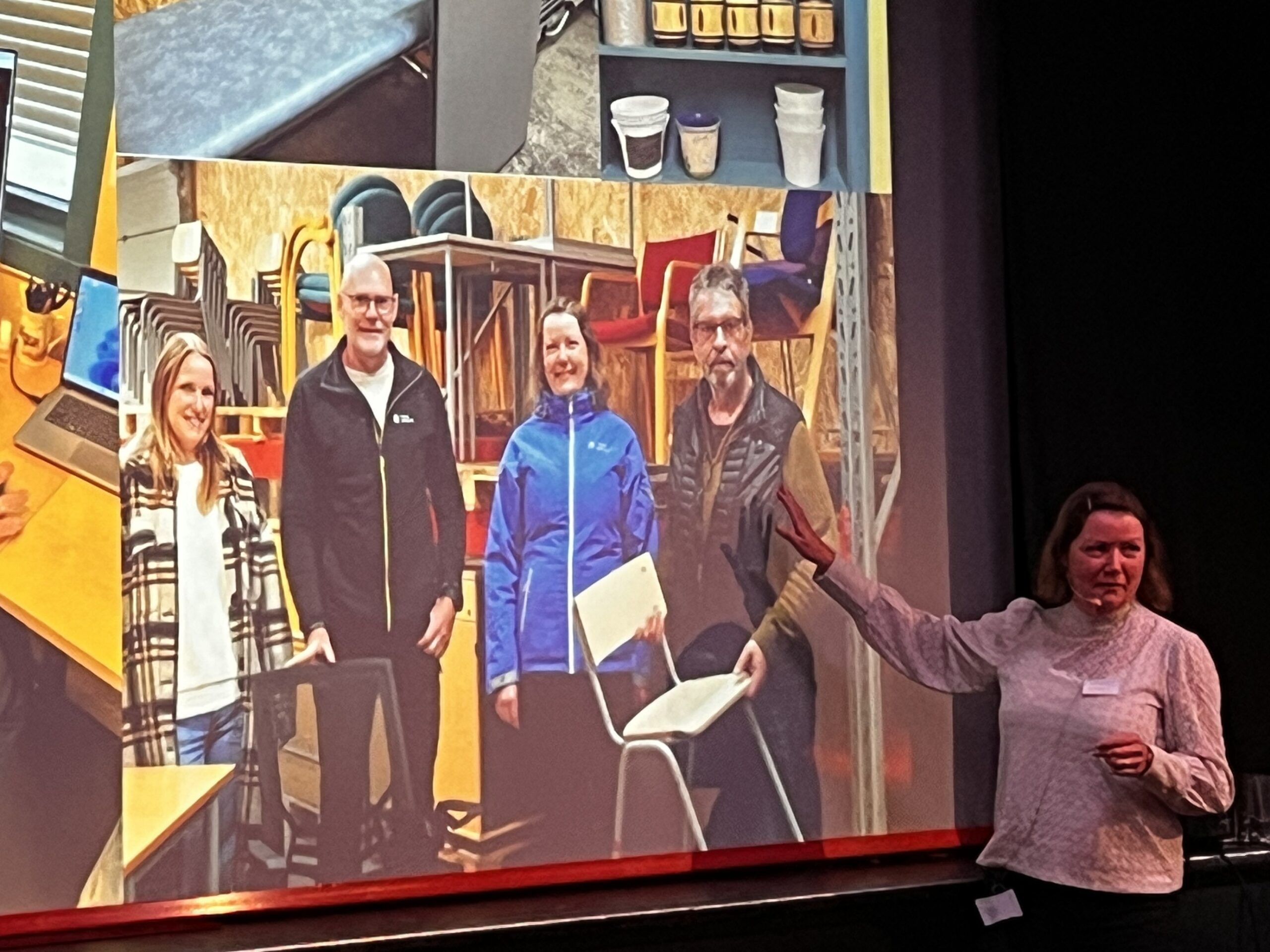
Hamar municipality has 250,000 square meters of buildings, and a lot of furniture and equipment is stored in basements and attics. Hamar has therefore teamed up with neighboring municipalities Ringsaker and Stange to use the app Gjenbrukskommune. They have shared a reuse coordinator and given all employees in the three municipalities access to the app. “In two years, we’ve saved NOK 1.2 million in purchases, as well as 51 tons of CO2 emissions and 216 tons of waste,” said Lise Dufseth Urset.
Photo: Christopher McCormick
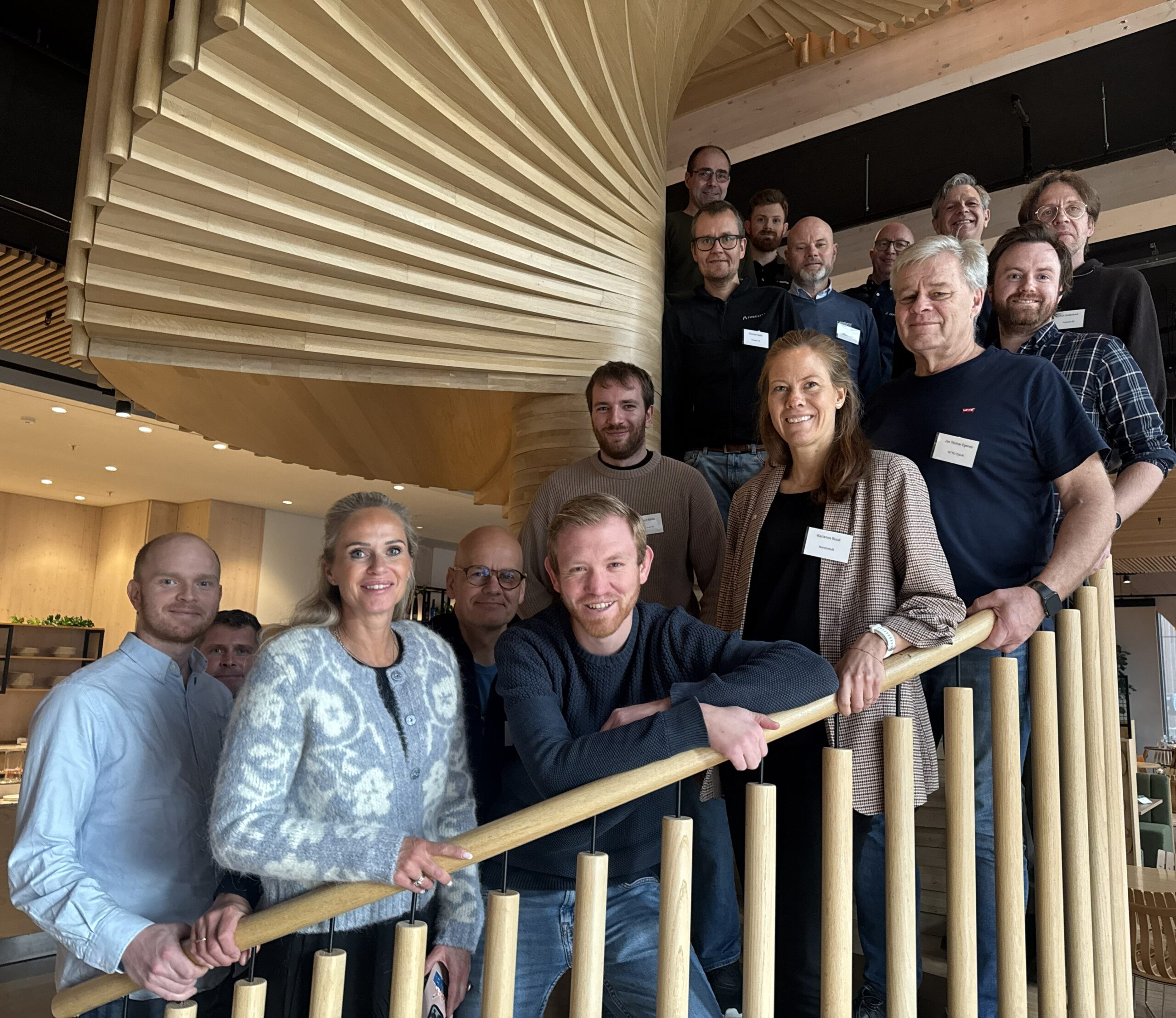
Fire resistance on the agenda
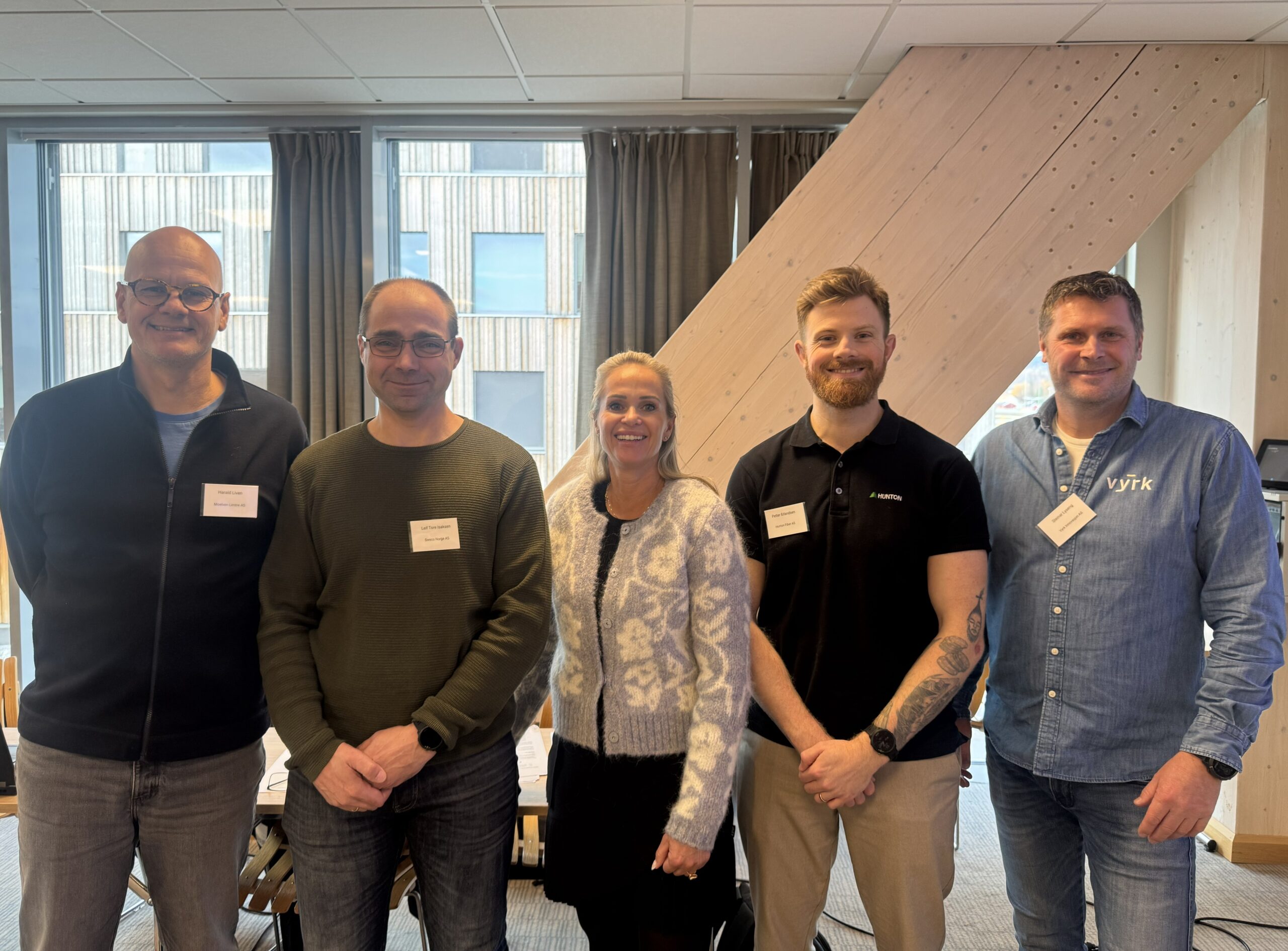
Julie Gedde-Dahl is head of the cluster’s specialist group “Future building solutions”. The group has long wanted to take a closer look at documentation and requirements related to fire resistance in wooden buildings, and now the preparations are underway in earnest.
Useful theme meeting
– “We had a very useful meeting in the specialist group at Mjøstårnet recently. We got a review of current issues and challenges with Norwegian regulations and standards for fire resistance that are relevant to take a closer look at. In addition, three companies shared their experiences with testing and documentation needs, and we had good reflections in groups,” says Julie Gedde-Dahl. She says that the Norwegian Wood Cluster will continue to work on the topic based on the input received at the meeting.
Specialist expertise in place
– We are fortunate to have Leif Tore Isaksen with us in this work, who is the head of fire and safety at Sweco Norway. He is also the head of RIF’s expert group on fire. In other words, Leif Tore is a very strong professional resource in the area, and he will play a key role in the development of the project,” says Gedde-Dahl.

Opportunities and challenges
– There is a great need for documentation for tall wooden buildings. The regulations are function-based and for buildings over 4 storeys, documentation is required in each individual case to show that the building can maintain satisfactory load-bearing capacity and stability throughout a complete fire cycle. “As there are more and more tests that can be used to verify fire safety with the use of wooden structures, the question is whether it is possible to prepare preaccepted solutions for buildings up to and including six storeys,” says Leif Tore Isaksen, Sweco Norway.
– Several of our member companies have already indicated that they want to participate in the further planning of such a project. Going forward, the cluster will lead the process of developing the project plan and maintaining a dialog with relevant stakeholders. We expect that it is possible to set up a useful project in this area to meet the wishes of member companies in the cluster,” says project manager Julie Gedde-Dahl in Norwegian Wood Cluster.
Norwegian Wood Cluster admitted to Innovation Norway's cluster program
A milestone for the wood industry
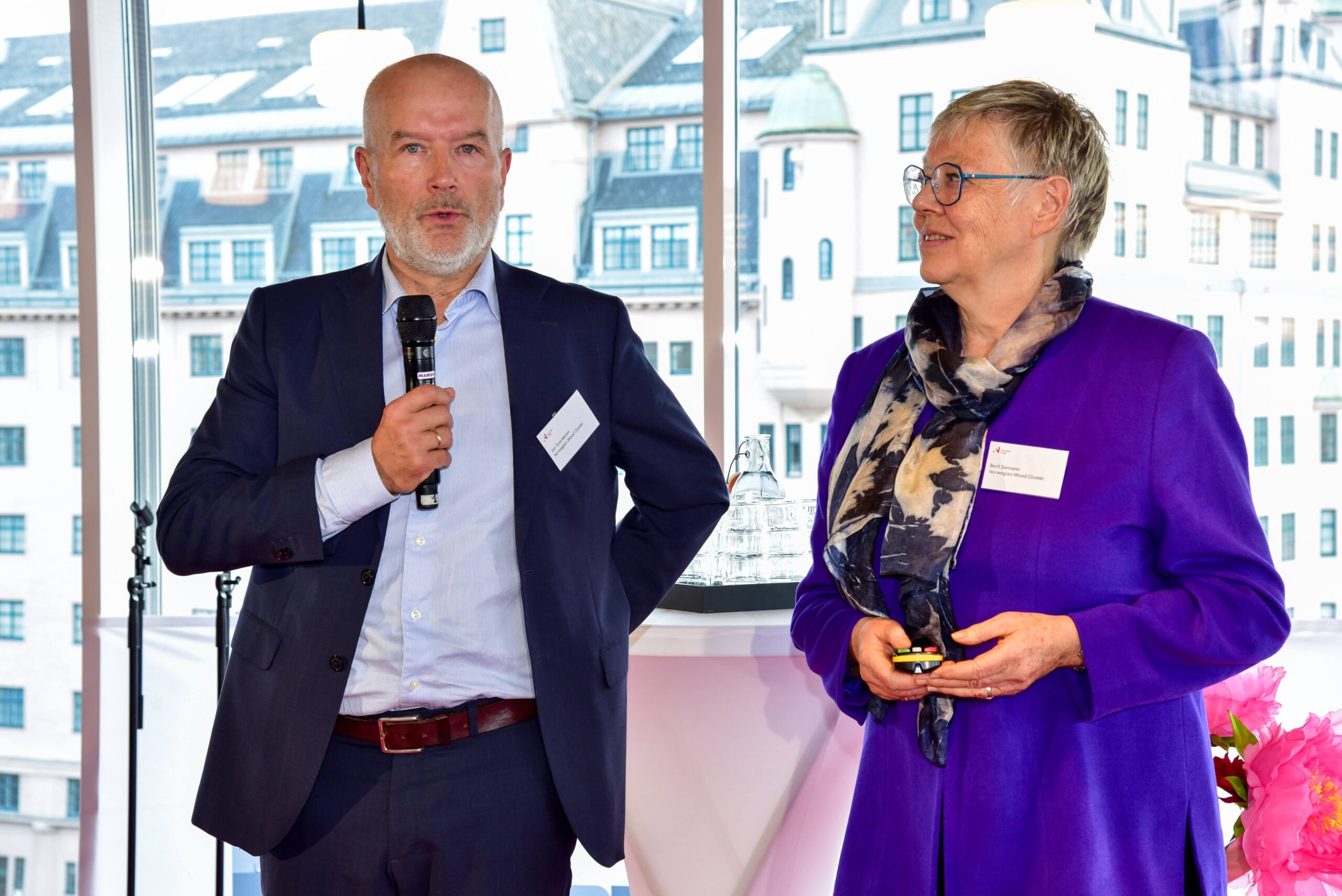
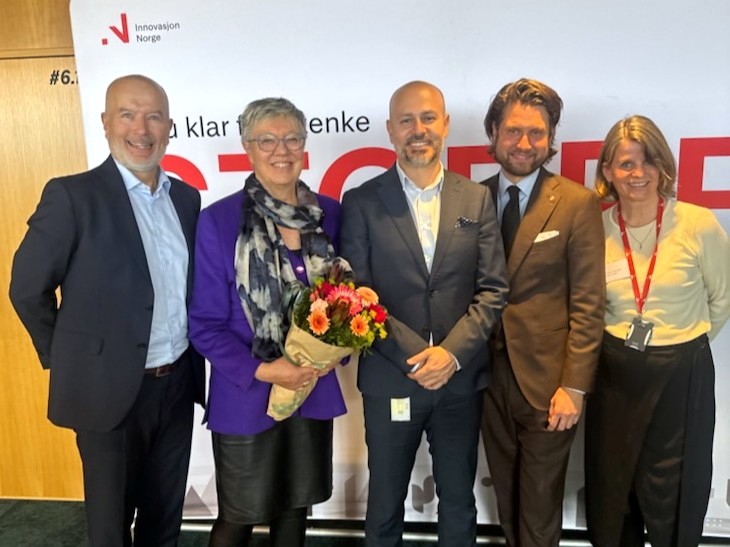
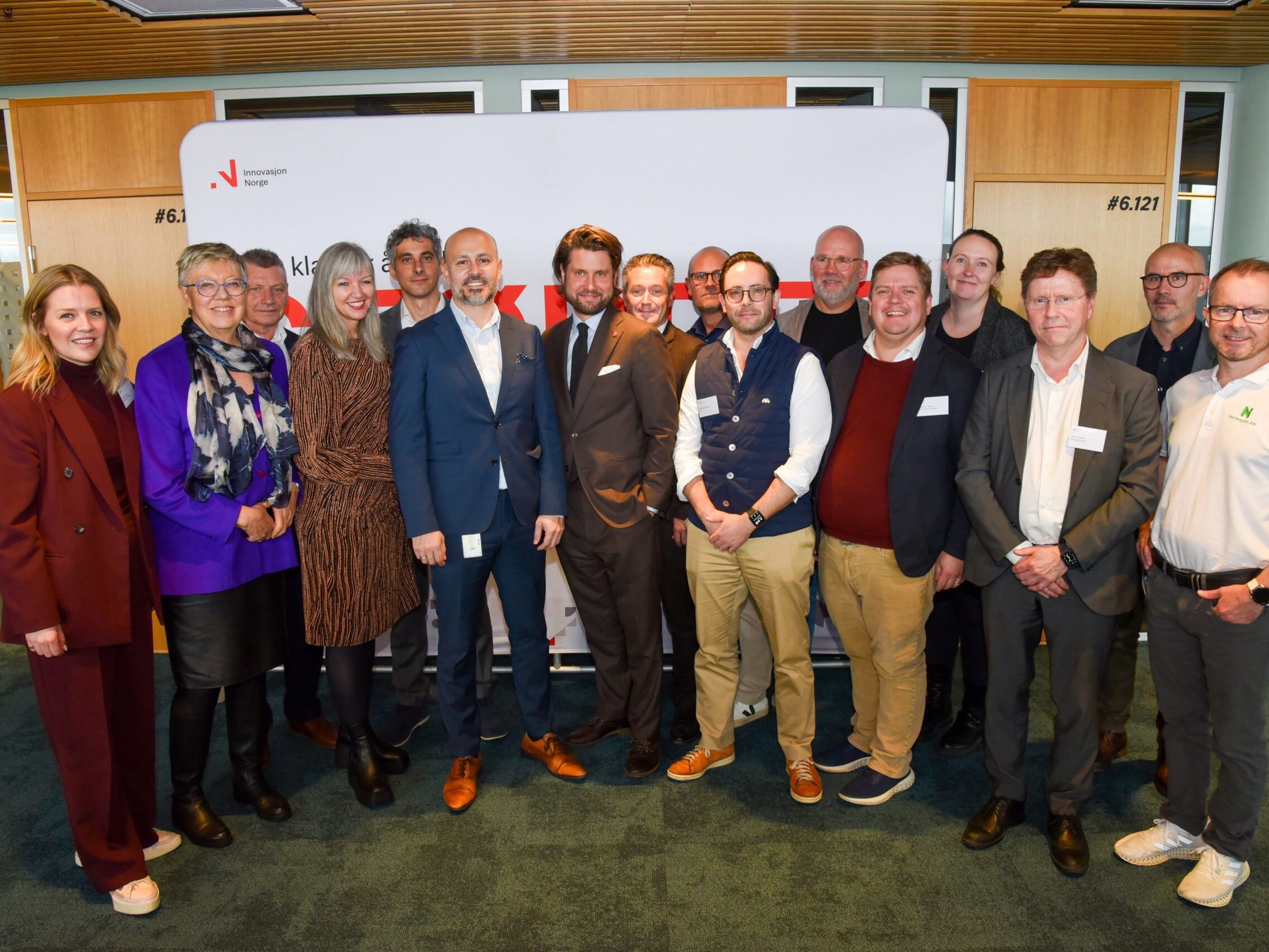
The recording was made public during Innovation Norway’s event in Oslo, where both chairman Jan Tore Meren and cluster leader Berit Sanness participated.
– Obviously, this provides extra motivation! The cluster’s mission is to strengthen the competitiveness of its member companies through collaboration throughout the value chain. With support from the cluster programme, we have an even better opportunity to develop new solutions together – not least within increased industrialization and innovation in wood use,” says Sanness.
Together for lower emissions
The Norwegian Wood Cluster has high ambitions. One of its main goals is to help reduce greenhouse gas emissions from buildings by 30% by 2035. “Our members play a key role in this transition. By focusing more on hybrid solutions, reuse, circular solutions and smarter use of resources, we will help to utilize raw materials responsibly and build a more sustainable future,” says Meren.
Sanness adds: – “We see that the rehabilitation and reuse of existing buildings is becoming increasingly important to reduce both emissions and land use. Wood is part of the solution here, and we want to enable our members to take a leading role in this development.
About the cluster program
Norwegian Innovation Clusters (NIC ) is a national initiative from Innovation Norway, implemented in collaboration with SIVA and the Research Council of Norway. The program aims to strengthen collaboration and innovation between Norwegian companies – so that they can create value together that they could not achieve alone.

About Norwegian Wood Cluster
The Norwegian Wood Cluster was established in 2017 by the major woodworking companies around Lake Mjøsa, and has grown into a strong national cluster with increasing international focus.
The vision is clear: We provide the world with innovative and sustainable building solutions in wood.
The cluster brings together players from the entire value chain – from forestry and industry to construction and recycling, finance and academia – with a total annual turnover of around NOK 28 billion. NWC is owned by its members and aims to create business value through collaboration and innovation.

Norwegian Wood Cluster participates at Rebuild Ukraine in Warsaw
Gjenoppbyggingen av Ukraina vil kreve massive, raske og ikke minst bærekraftige løsninger. Her er tre et naturlig valg. Gjennom vår deltakelse på Rebuild Ukraine ønsker vi å presentere klyngens samlede kompetanse og teknologier for industrialisert trebyggeri, som kan gi rask og kostnadseffektiv oppføring av boliger, skoler og infrastruktur.
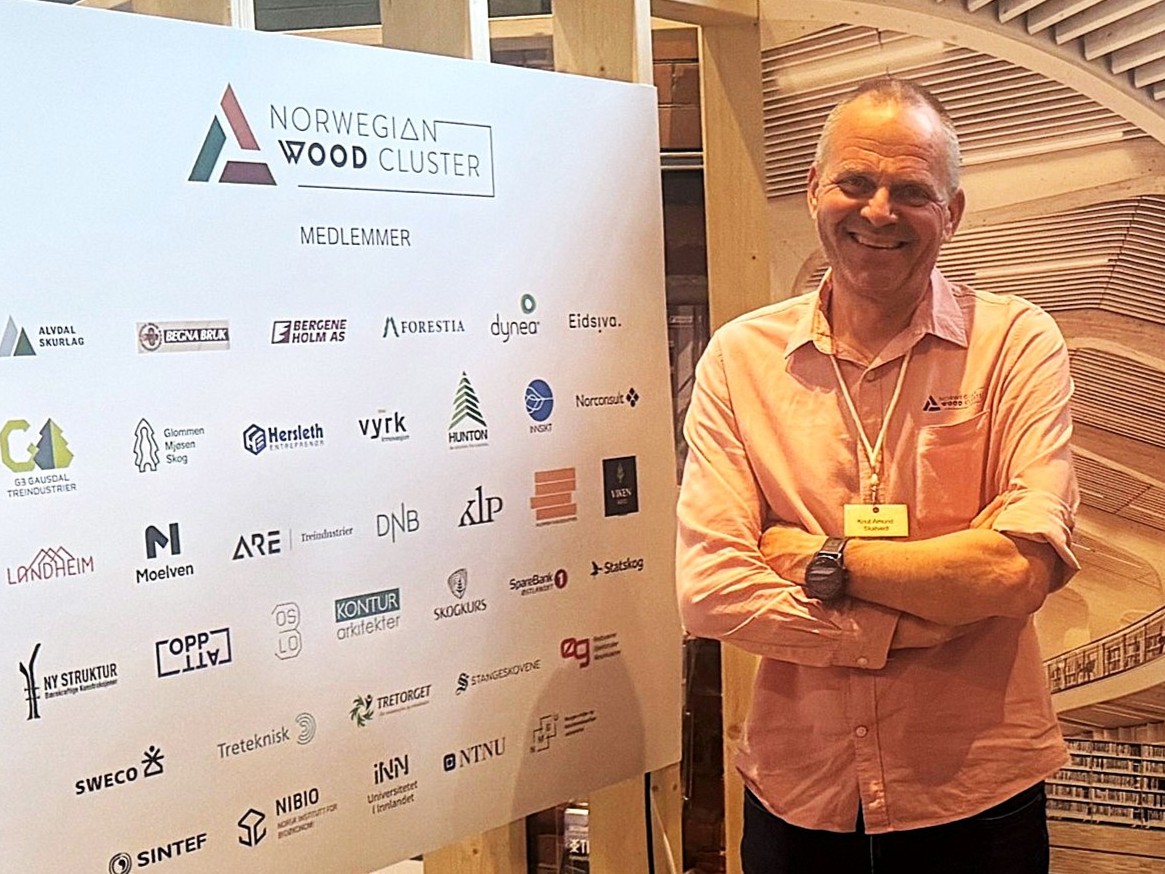
“Vi ser et enormt behov for effektive, klimavennlige byggeprosesser, og den norske treindustrien sitter på unik kompetanse innen modulbasert og industrialisert bygging i tre. Dette er systemer som er skalerbare og kan implementeres raskt, noe som er avgjørende i en gjenoppbyggingsfase,” sier Knut Amund Skatvedt, prosjektleder hos NWC.
Are you interested in making your company visible at the fair?
Get in touch with Knut Amund Skatvedt
+47 480 49 862
Here you can read more about Rebuild Ukraine
Bergene Holm nominated for innovation award
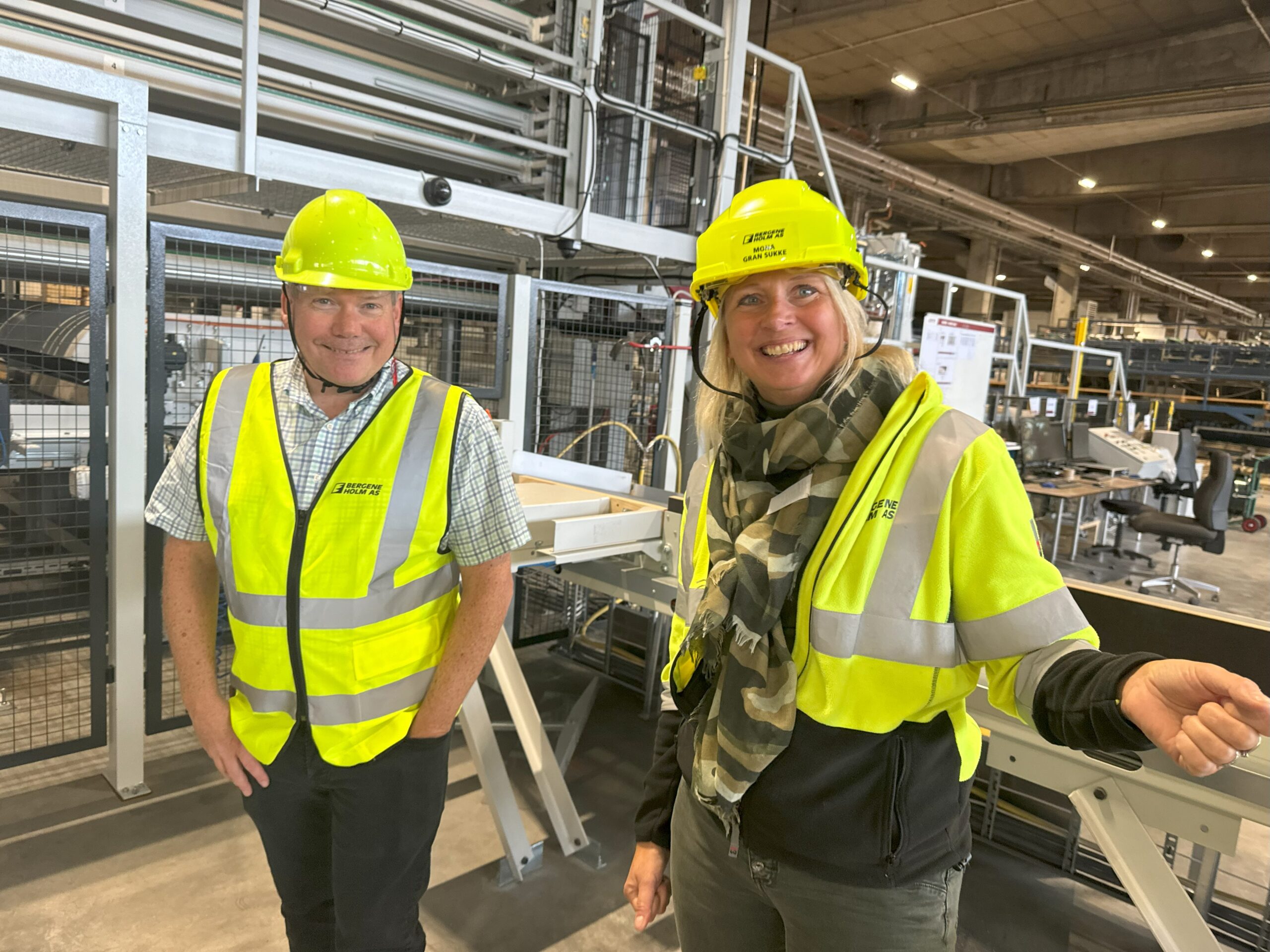
On October 15-18, the construction trade fair Bygg Reis Deg takes place in Lillestrøm, and several of Norwegian Wood Cluster’s member companies are represented. One of them is Bergene Holm, which in addition to having its own stand, has been nominated for the Norwegian Construction Industry Innovation Award for its EKSAKT production facility.
– “We work continuously with product development and innovation. In recent years, there has been a particular focus on waste-free construction sites, and this is the background to our investment in EKSAKT,” said Innovation Manager Mona Gran Sukke Bergene Holm when we visited the new facility last year.
Here you can read more about EKSAKT