



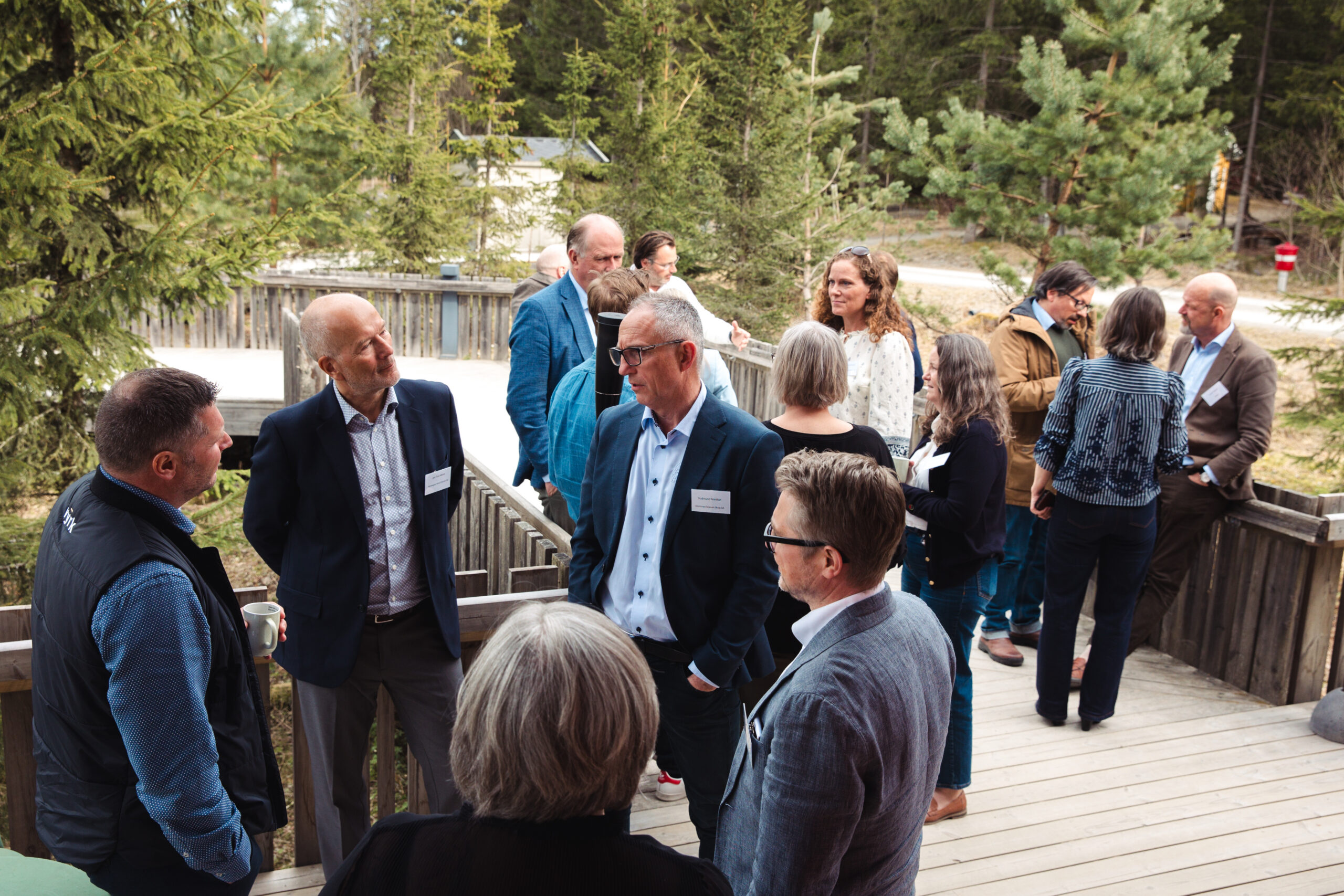
The challenging market conditions set the stage for the agenda of the Norwegian Wood Cluster’s owners’ meeting at Prøysenhuset on April 28. At the same time, both government initiatives and companies’ own measures to strengthen competitiveness were on the agenda.
A Changing World
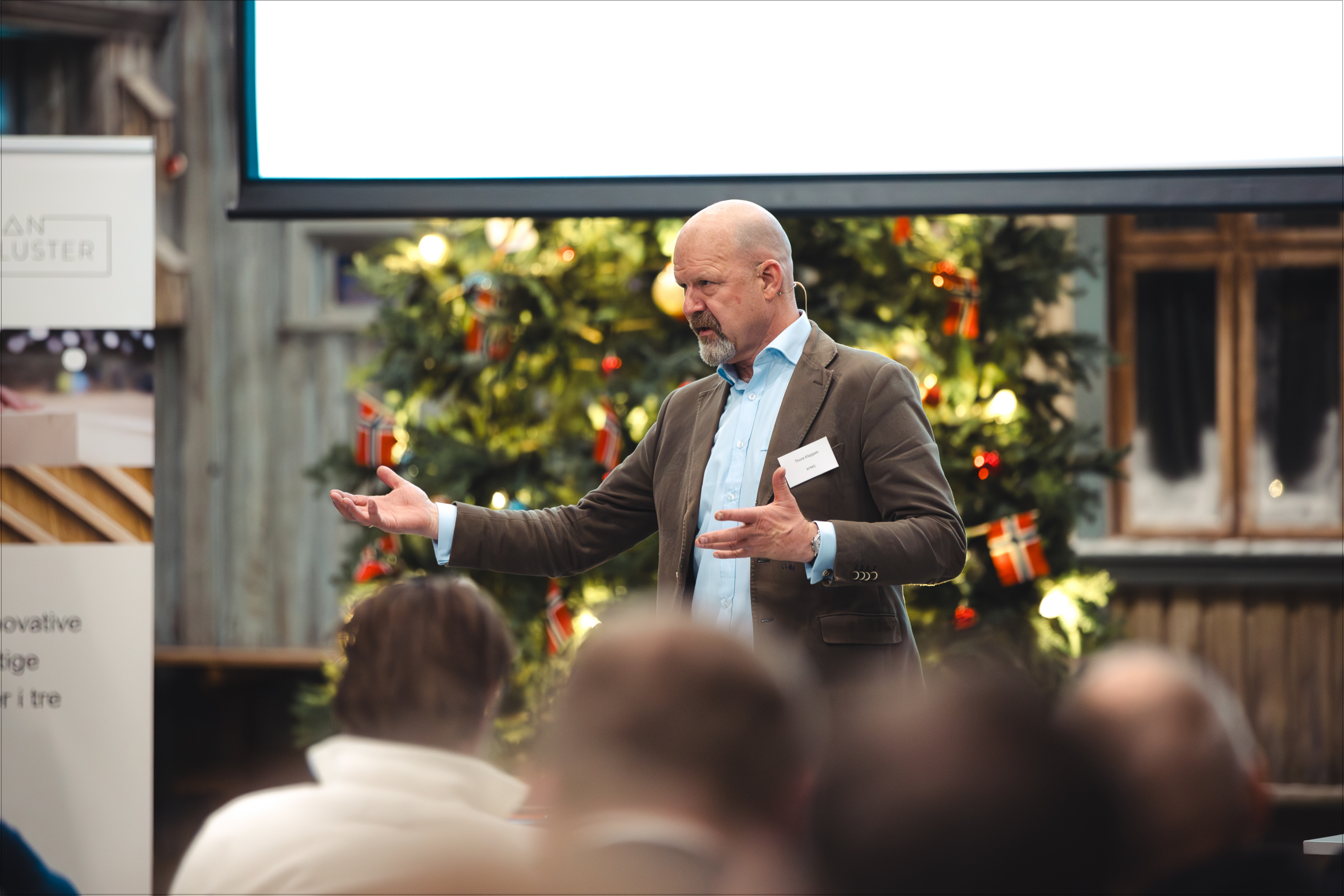
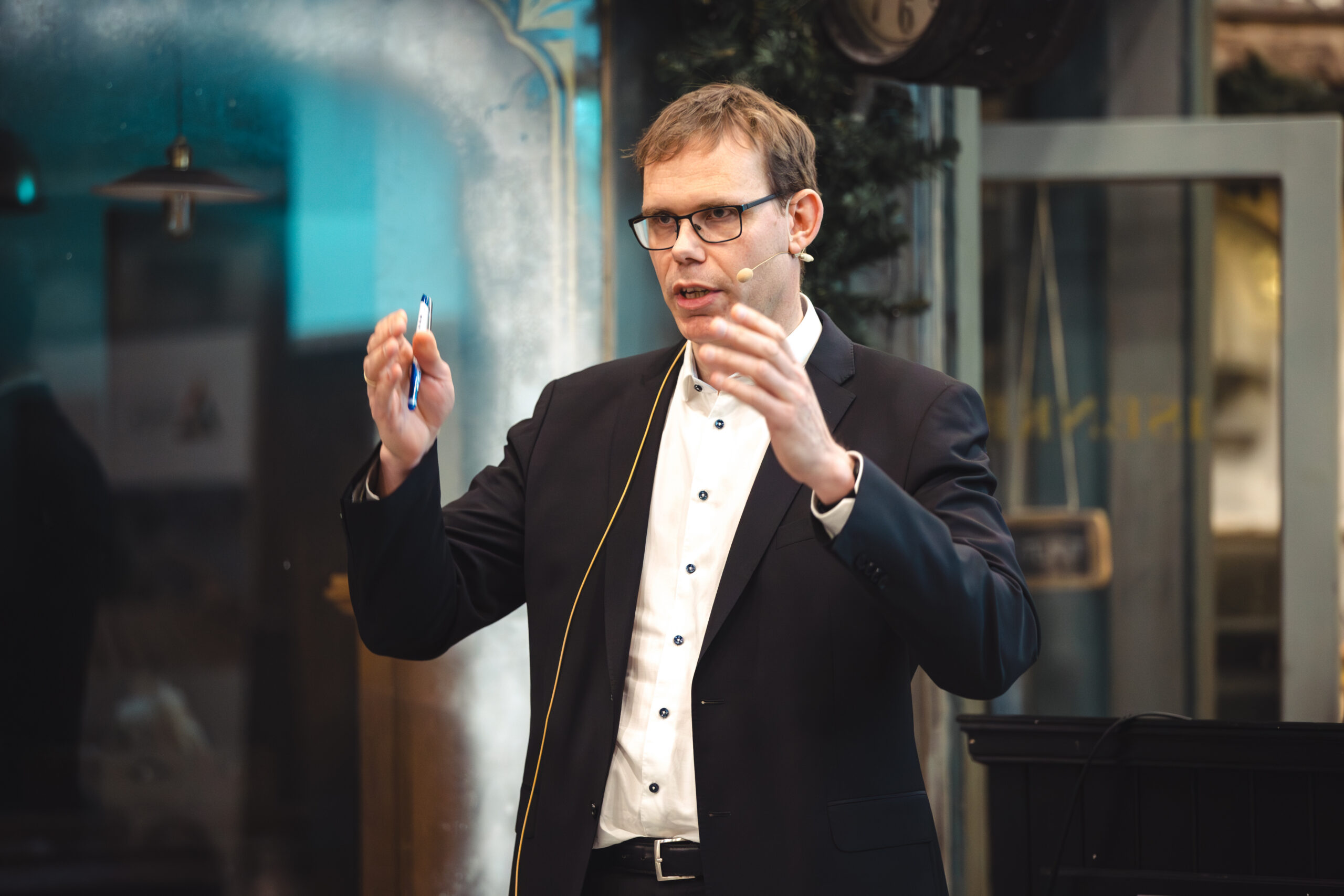
KPMG’s 2026 CEO Report kicked off the program. The report is based on interviews with CEOs of some of Norway’s largest companies and addresses global uncertainty, technological changes, and the need for transformation to ensure competitiveness.
“We need enlightened, decisive, and innovative leaders more than ever to face this new reality,” said Stein Erik Lund, chairman of KPMG.
– Sustainability is still described as business-critical, even though the debate has died down somewhat. In these discussions, sustainability is highlighted as a competitive advantage, but there are calls for more political will and a faster pace in the transition, said Thore Kleppen.
“We are currently experiencing significant geopolitical uncertainty in the global market, with war in Europe, war in Gaza, and now war in the Middle East. The result is substantial fuel surcharges on shipping, and, for example, we are unable to ship goods to customers in the Middle East,” said Withbro-Svendsen.
A challenging market marked by significant uncertainty
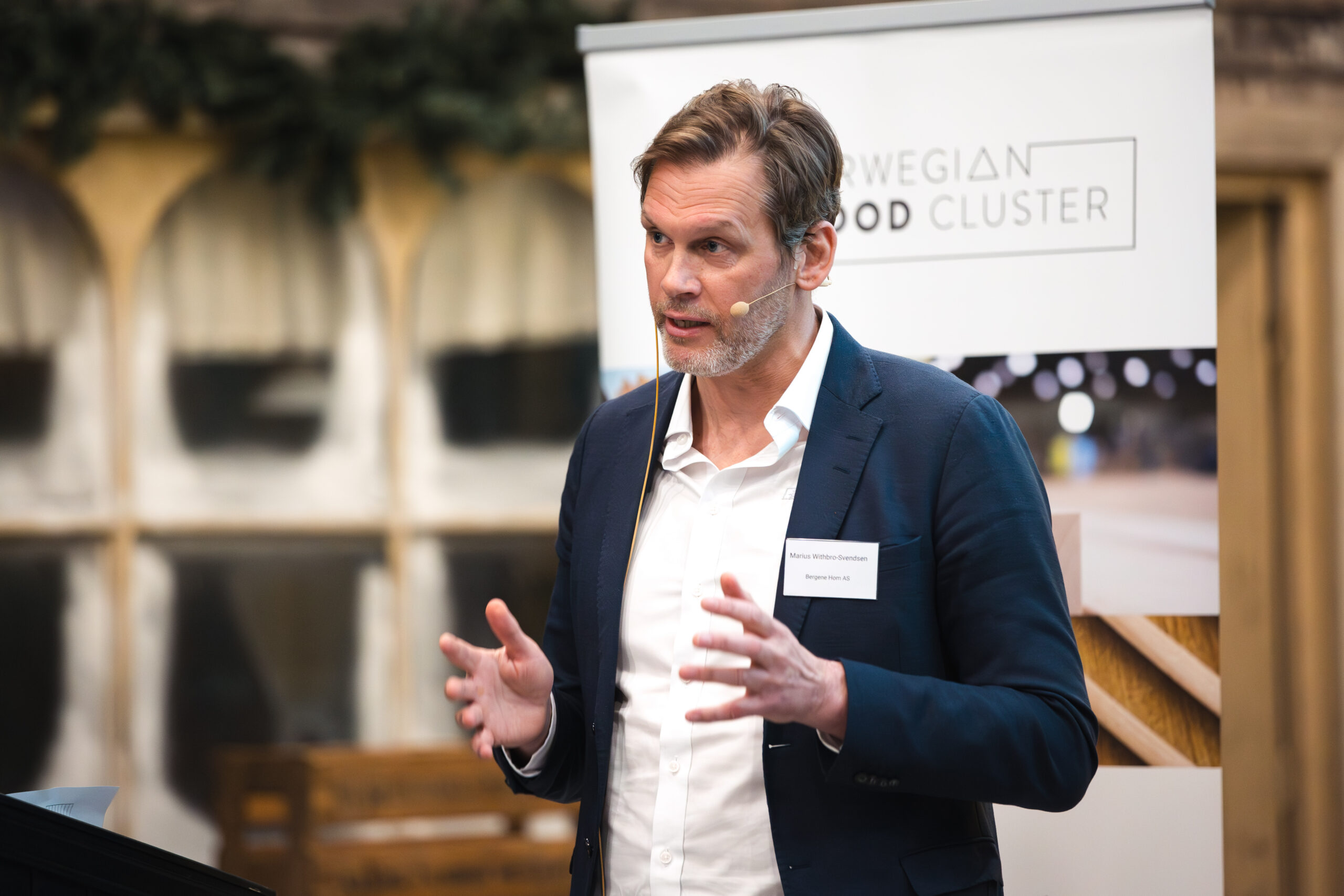
Bergene Holm has significantly increased its production in recent years and currently exports half of its output. At the shareholders’ meeting, Marius Withbro-Svendsen, Export Sales Manager, explained how the global situation is affecting the company.
– There is no doubt that the construction industry is facing a very challenging situation, struggling with higher input costs and high interest rates. During the pandemic, we saw how increased competition for raw materials in Norway caused lumber prices to rise sharply. Although prices are on the decline, the average price is still too high for sawmills to achieve sufficient profitability, said Withbro-Svendsen.
“We are currently experiencing significant geopolitical uncertainty in the global market, with war in Europe, war in Gaza, and now war in the Middle East. The result is substantial fuel surcharges on shipping, and, for example, we are unable to ship goods to customers in the Middle East,” said Withbro-Svendsen.
Brutal Consequences
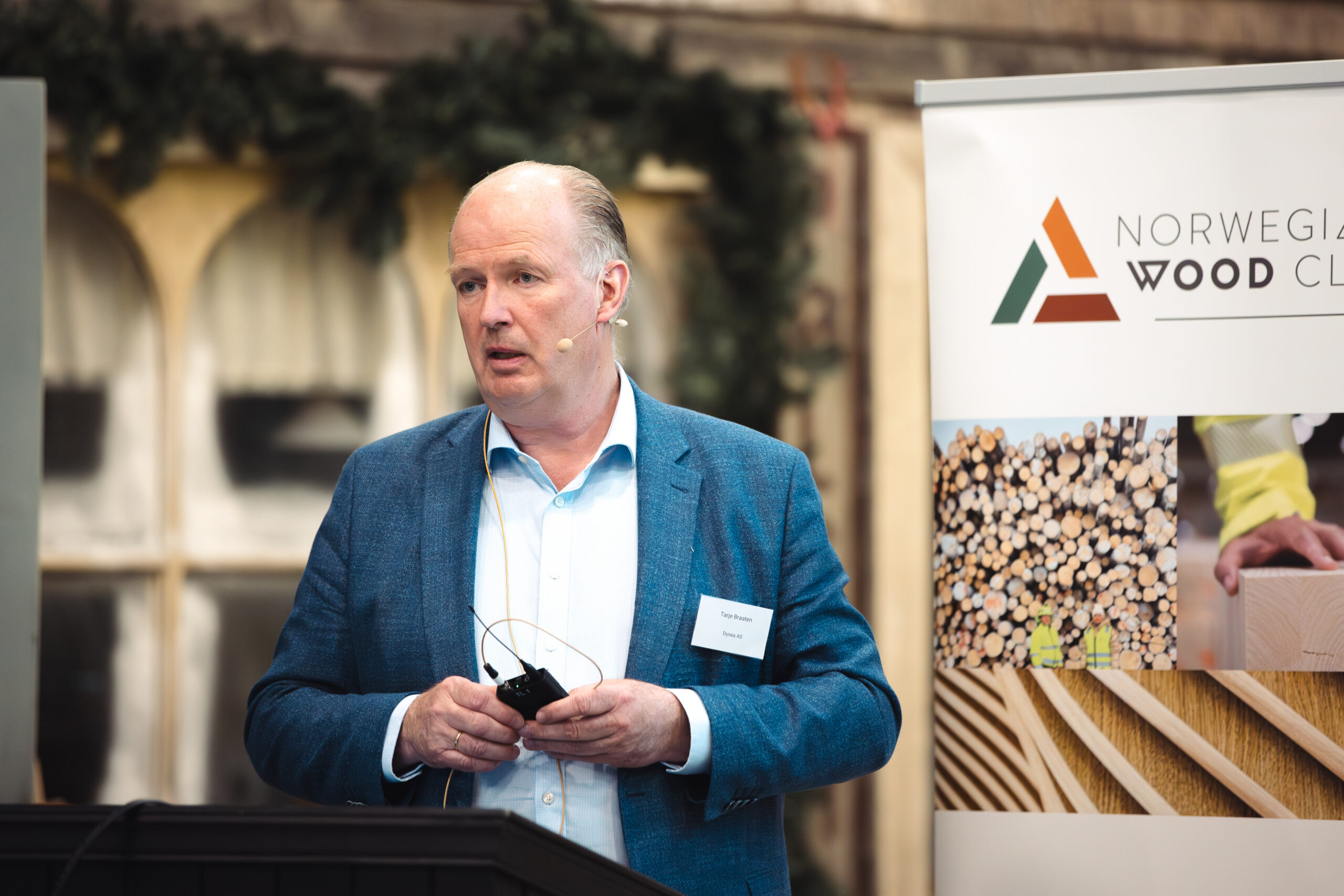
CEO Tarje Braaten discussed the impact of the international situation on Dynea and its customers.
– “We define Dynea as part of the wood processing value chain. Dynea supplies adhesives to the wood industry both in Norway and to customers throughout Europe,” said Tarje Braaten.
The situation in the Middle East, with the closure of the Strait of Hormuz, is directly affecting Dynea.
– The raw materials Dynea uses are largely based on natural gas or oil, and we are now experiencing sharp price increases for input costs and shipping. Dynea’s raw material prices have risen so much that we have had to raise our prices for our customers. “We understand that this is challenging in an industry where our customers often have long-term price agreements with their own customers,” said Tarje Braaten.
Measures to Strengthen Competitiveness
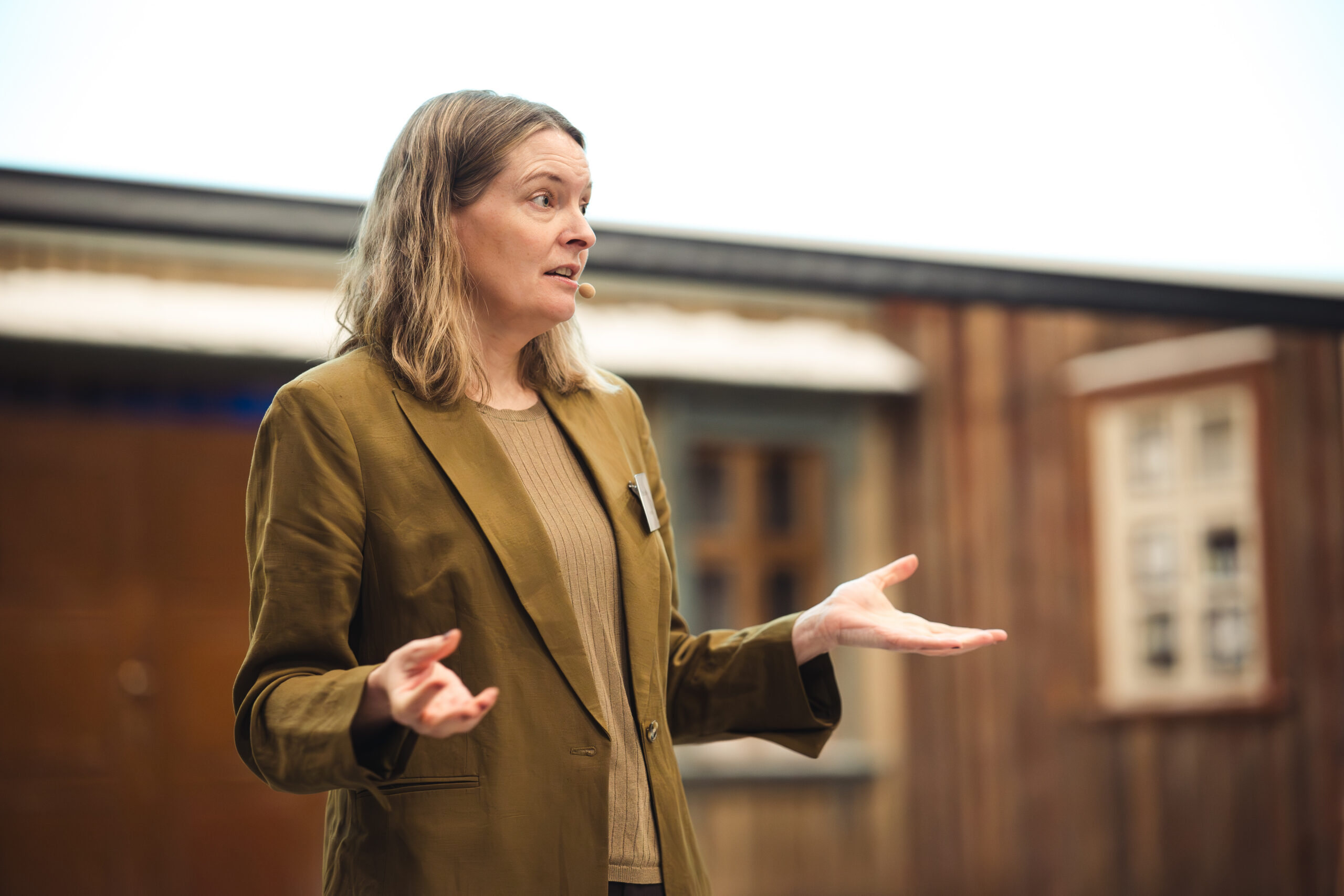
The Norwegian Wood Industry Association plays a key role in promoting the industry’s views on policy measures to the authorities. At the meeting, Acting Executive Director Tina Sletbak-Akerø of the Norwegian Wood Industry Association provided an overview of the most important industrial policy issues the organization is currently addressing.
– The Norwegian wood products industry and the construction sector are heavily influenced by the macroeconomic landscape. Predictability has all but disappeared. “We now need measures to get housing construction underway, and the industry must be involved at an early stage in these projects in order to develop effective solutions that increase productivity and reduce costs,” says Sletbak-Akerø.
– The wood industry supports the introduction of climate requirements in TEK17, but is concerned that all phases of the life cycle be included in the calculations. “We must also make greater use of the buildings we have already constructed through reuse, renovation, energy efficiency improvements, and additions,” said Sletbak-Akerø.
The Journey of the Byggma Group
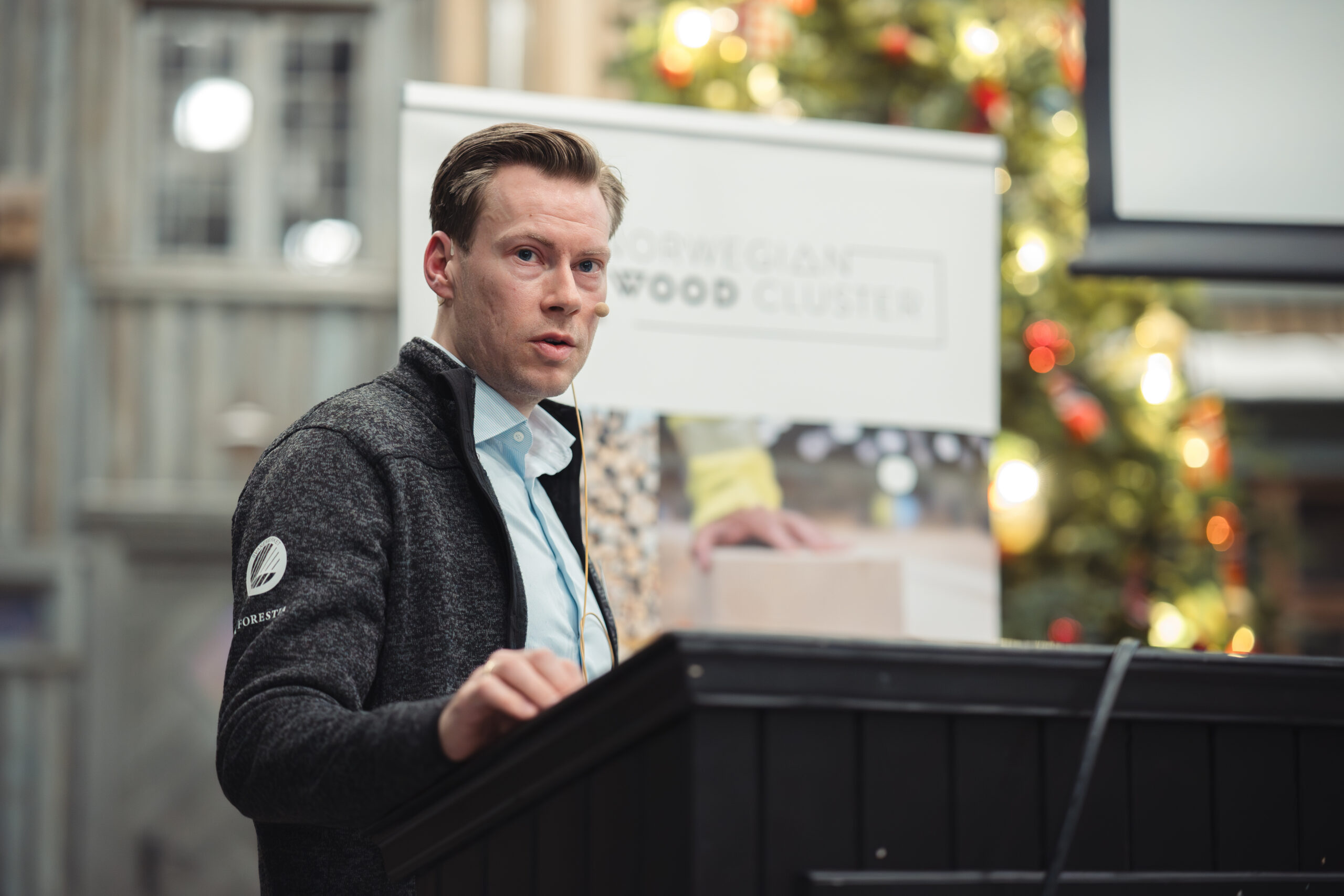
Conrad Lehne Drangsland, CEO of Byggma ASA, explained how a strong willingness to embrace change has yielded results for the group.
– Over the past 30 years, Byggma has acquired or purchased equity stakes in a number of companies that have complemented its business, making the group a leading supplier and manufacturer of wood-based building materials in the Nordic region today. “However, management is not a popularity contest, so it has also been necessary to close down some businesses during the same period,” said Drangsland.
– “The Group has a ‘hands-on’ ownership style with short decision-making chains that emphasize building a strong corporate culture. We are also committed to investing in people, machinery, and R&D,” said Conrad Lehne Drangsland.
Adapting to New Products and Markets
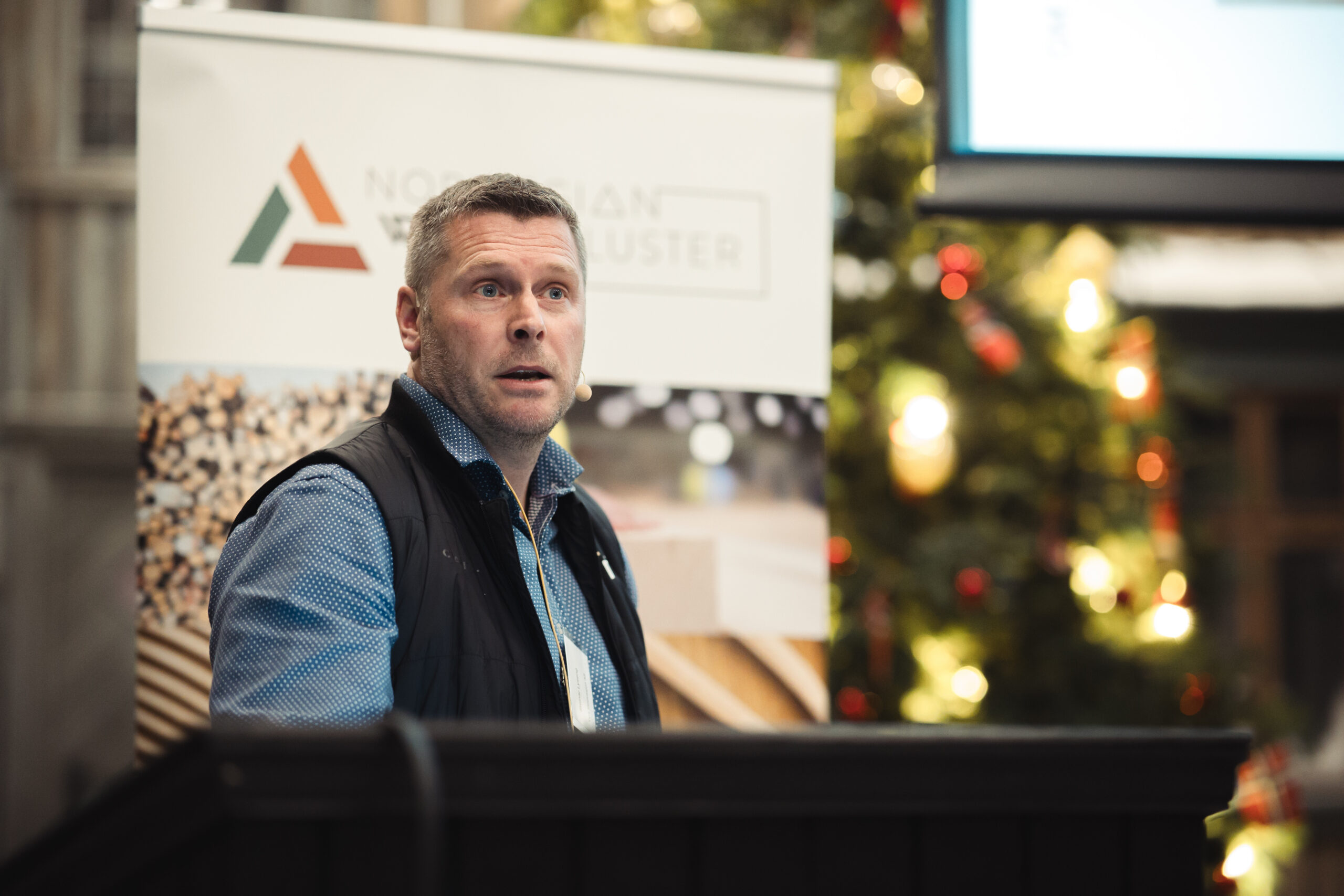
Steinar Lyseng, CEO of Vyrk Innovasjon AS and Vyrk AS, explained how the company has reinvented itself by developing new products and positioning itself in new markets.
Vyrk has acquired companies that complement its core production in Rogne, enabling it to deliver complete wall solutions.
“Among other things, we’ve developed a patented solution that makes it possible to dismantle and move interior walls in office buildings,” says Lyseng.
– Another example is that we take in ceiling panels, perforate them, and deliver solutions with improved acoustics.