




The consultation proposal has been prepared by the Norwegian Building Authority (DIBK) and proposes changes to the Building Code Regulations (TEK17). The consultation deadline is May 5, 2026.
What is new in the consultation proposal?
- Several building types are subject to greenhouse gas accounting requirements
In 2022, a requirement was introduced to prepare greenhouse gas accounts for apartment blocks and commercial buildings. The requirement is now being extended to apply to larger single-family house projects over 1,000 m² of usable floor space (e.g. larger terraced house or field developments).
- More building components must be included in greenhouse gas accounts
Today’s regulations have a relatively limited scope of building components. The consultation proposal expands this to cover the most emission-intensive parts of the building, including foundations and ground structures. The greenhouse gas inventory must include at least:
- Support system (slabs, columns, beams and load-bearing walls)
- Exterior walls, floor partitions and roofs
- Foundations and ground structures
Technical installations (HVAC and electrical) are currently not included.
- Limit values are measured for the entire building
The limit values for greenhouse gas emissions must be measured in kg CO₂ equivalents per m² gross floor area (GFA). There are no requirements for specific types of material, and it is the overall emission level that determines whether the building meets the requirement, not the level of the individual building elements.
- The emissions must be documented in a completion certificate
The proposal sets clearer requirements for how the limit values should be documented:
- A greenhouse gas account shall be prepared based on a recognized method (life cycle analysis).
- The documentation must be part of the measure’s documentation in the building case
- The carbon footprint shall:
- Available at completion certificate
- Could be presented at inspection
- Handed over to the building owner
Reporting does not take place to a central national database, but is part of the municipality’s ordinary building case processing. Responsibility follows other responsibility rules in the Planning and Building Act, with clearer expectations for designers and builders.
What does the proposal for climate requirements in TEK mean for the construction industry?
For building product manufacturers, the climate requirements will mean that documented low climate footprints (EPDs) and the lifespan of materials will be given increased value. While clients and contractors will have greater responsibility for the choice of materials, waste and processes.
Initially, the proposed climate requirements are not very ambitious – but will help the “worst in class” to lift themselves up to a minimum level. There is also an alternative proposal for 10% stricter climate requirements, which many believe is a more sensible starting point. In any case, we must believe that the proposal marks the start of a gradual tightening of climate requirements in the construction sector.
The Norwegian Wood Cluster is organizing a team meeting for its members on 27 March, in collaboration with Treindustrien. At this meeting, we will provide further information about the consultation proposal and discuss a joint statement from the cluster – also regarding the handling of biogenic carbon.
What do the organizations say about the consultation proposal?

NHO The construction industry
“When the focus is shifted from individual requirements to actual climate results, we can clean up a fragmented regulatory framework and remove requirements that result in high costs and little effect,” says Guro Hauge, Director of Business Policy at NHO Byggenæringen.
Read the full post from NHO Byggenæringen

Building products industry
“The construction projects that will find it difficult to meet the requirements are probably those that are primarily based on imported building materials. If you use Norwegian-produced building materials, you are reasonably confident of meeting this moderate level of requirements,” says Trine Dyrstad Pettersen, Technical Manager in the building materials industry.
Read the full post from Byggevareindustrien
The wood industry
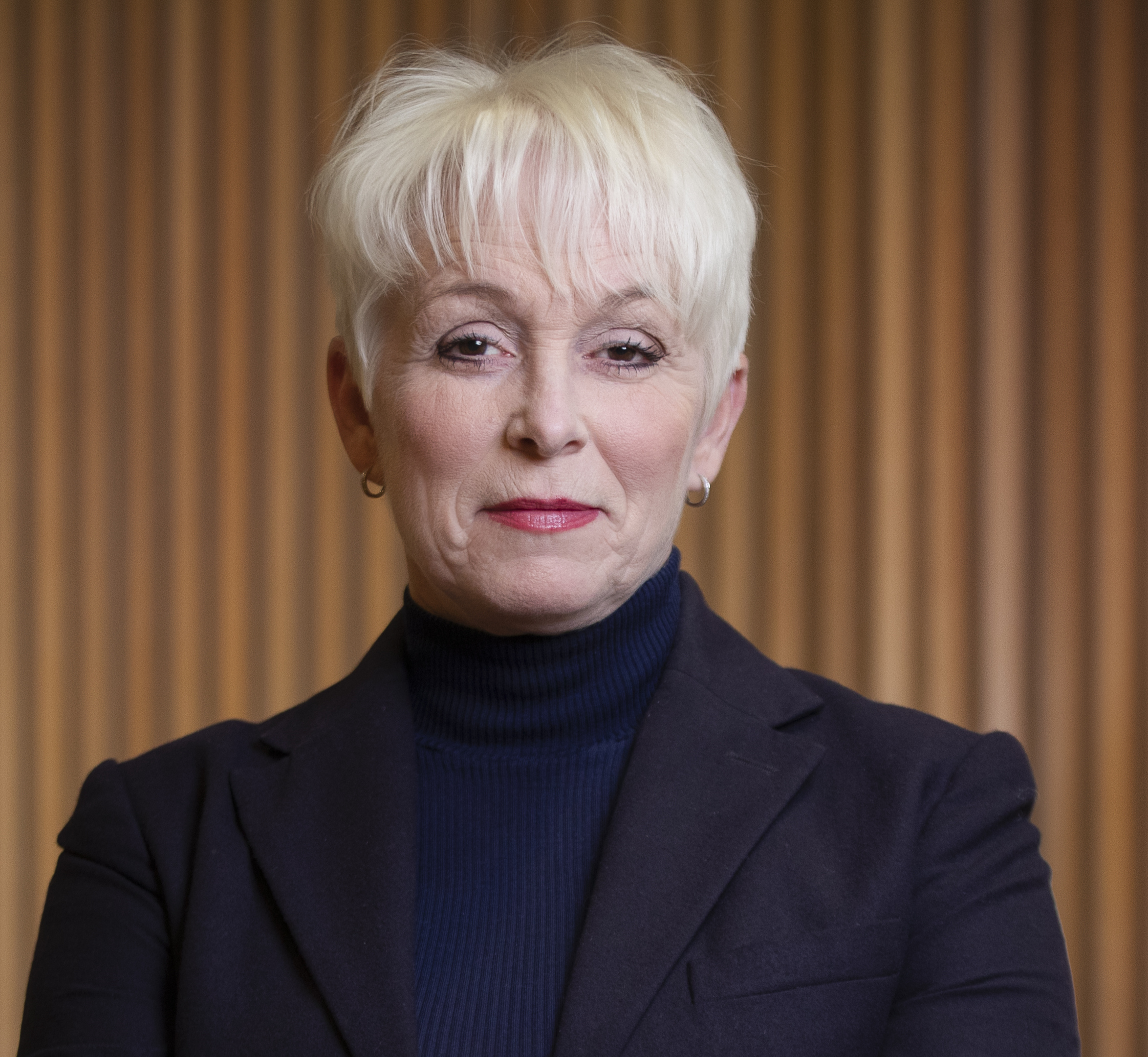
“It’s time we had requirements that contribute to actual climate improvements, and not just documentation. The most important investment has already been made in that manufacturers have prepared environmental documentation in the form of EPDs for their products. Now it’s about giving value to these investments,” says Heidi Finstad, CEO of Treindustrien.
Read the full post from Treindustrien
Contractors’ Association for Building and Construction
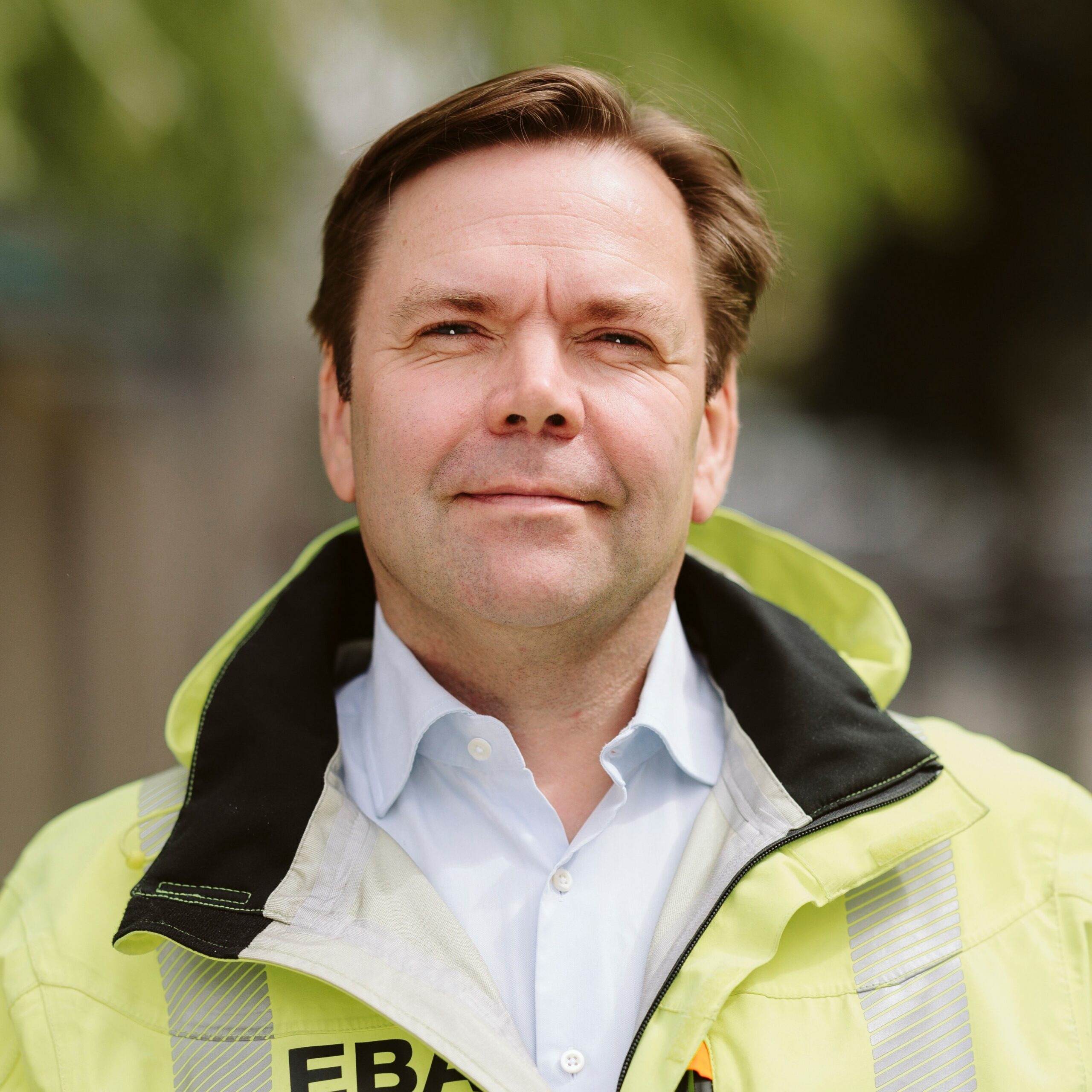
“We also believe that the requirements for limit values are at a reasonable level that makes it predictable and justifiable within technical solutions, but we will be clear that we do not want requirements that are phased in faster than the EU will do,” says Audun Blegen, CEO of Entreprenørforeningen Bygg og Anlegg (EBA).
Read the full post from EBA
Want to understand more about the background to climate requirements in TEK?
Here you can read about Opprop om klimakrav i TEK which was started by Grønn Byggallianse, Futurebuilt and Skift in 2025 and has been signed by 288 companies. As well as Investigation of climate requirements in TEK, the report from the investigation that Asplan Viak did on behalf of DiBK, to look at a possible climate requirement in TEK17 and how the requirement can be designed.