


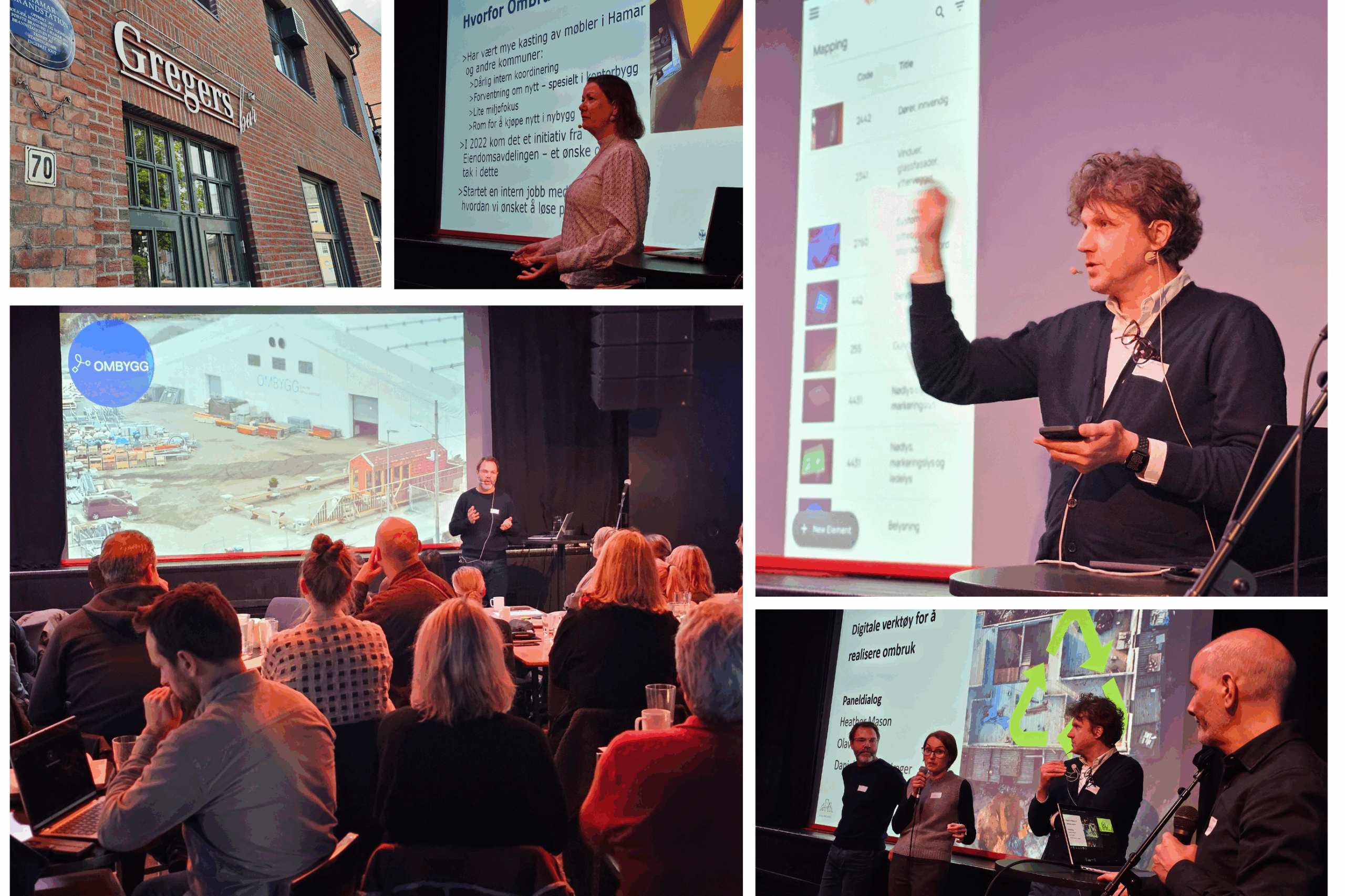
The gathering brought together players from the entire value chain – builders, municipalities, consultants, architects, contractors, suppliers and technology environments – and provided a picture of where the industry stands, what hinders us, and what works in practice.
Concrete examples from FutureBuilt, TEMA Eiendom and Hamar Municipality showed how reuse can be integrated into both projects and ordinary operations when digital tools, physical solutions and clear routines work together. The projects documented significant benefits in the form of reduced emissions, lower costs and new architectural expressions – but also that circularity requires planning and a broad approach, and cannot be solved through individual measures.
The technology presentations from Diplom, Materia and Map.D showed that the tools are now ready: data can be mapped, structured, enriched and shared across systems using standards and artificial intelligence. The challenge is not a lack of technology, but the need for a common data language, high data quality and a willingness to connect solutions.
The group work and panel discussion confirmed a clear common picture: reuse must be introduced earlier in the projects, logistics and responsibilities must be clarified, and culture and level of ambition are crucial to whether the technology is actually adopted. Overall, the gathering pointed to one clear direction: to move from fragmented initiatives to a coherent system that makes reuse easy, safe and truly feasible in the Inland Region.
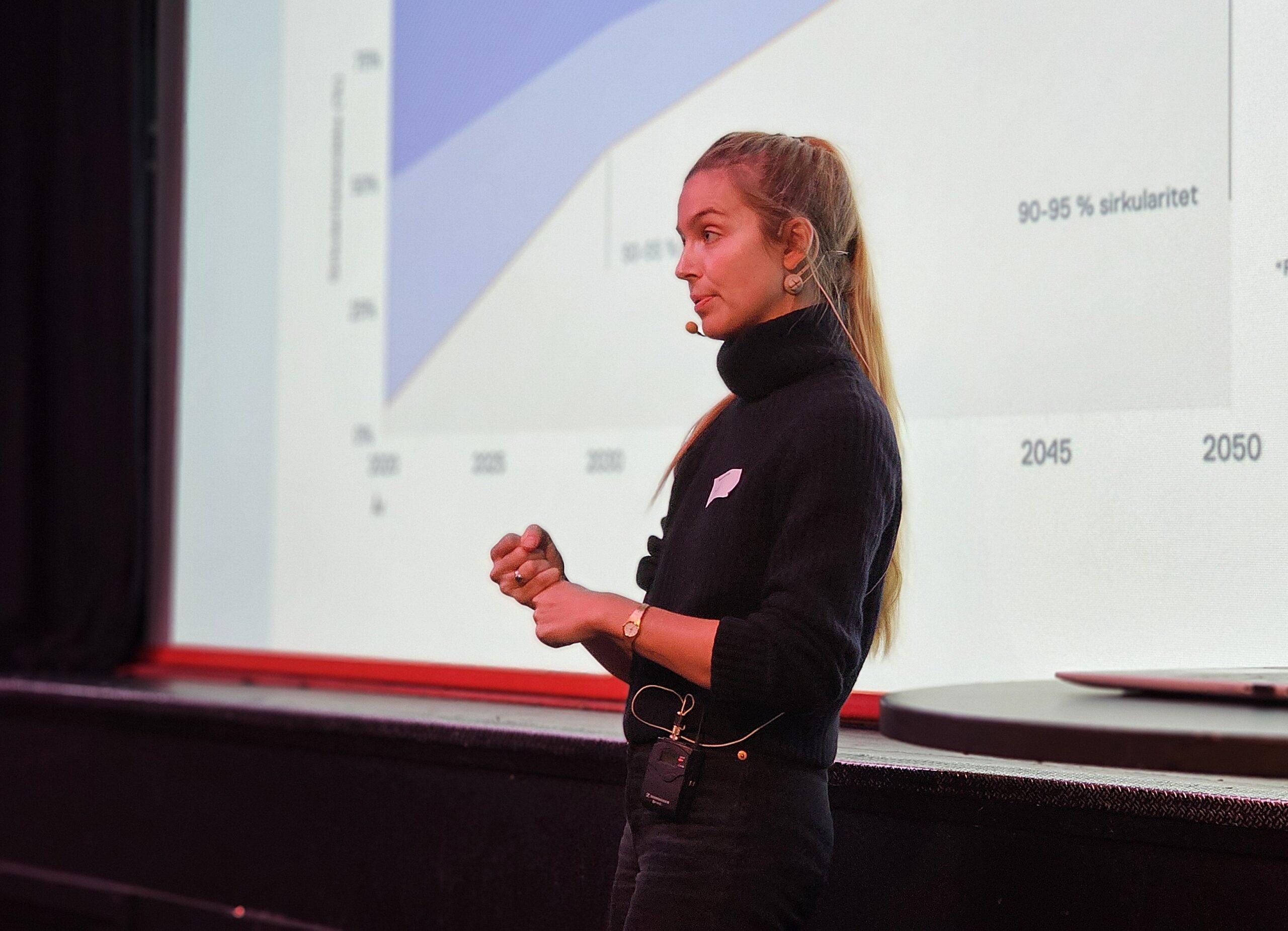
Nora Håland Hay presenterte Futurebuilts Sirkularitetsindeks, et nyttig verktøy for å måle sirkularitet i et byggeprosjekt, og viste frem prosjekter med høye ombruksambisjoner. “Når vi først kommer i gang med å bruke gjenbrukte materialer, skal det ikke mye til før markedsmodellen snur. Da vi for eksempel gjenbrukte hulldekker i Kristian Augustgate-prosjektet (Futurebuilt-prosjekt), var disse 10 ganger dyrere enn nye. I dag er prisen lik, sa hun.
Foto: Mari Blokhus Nordtun
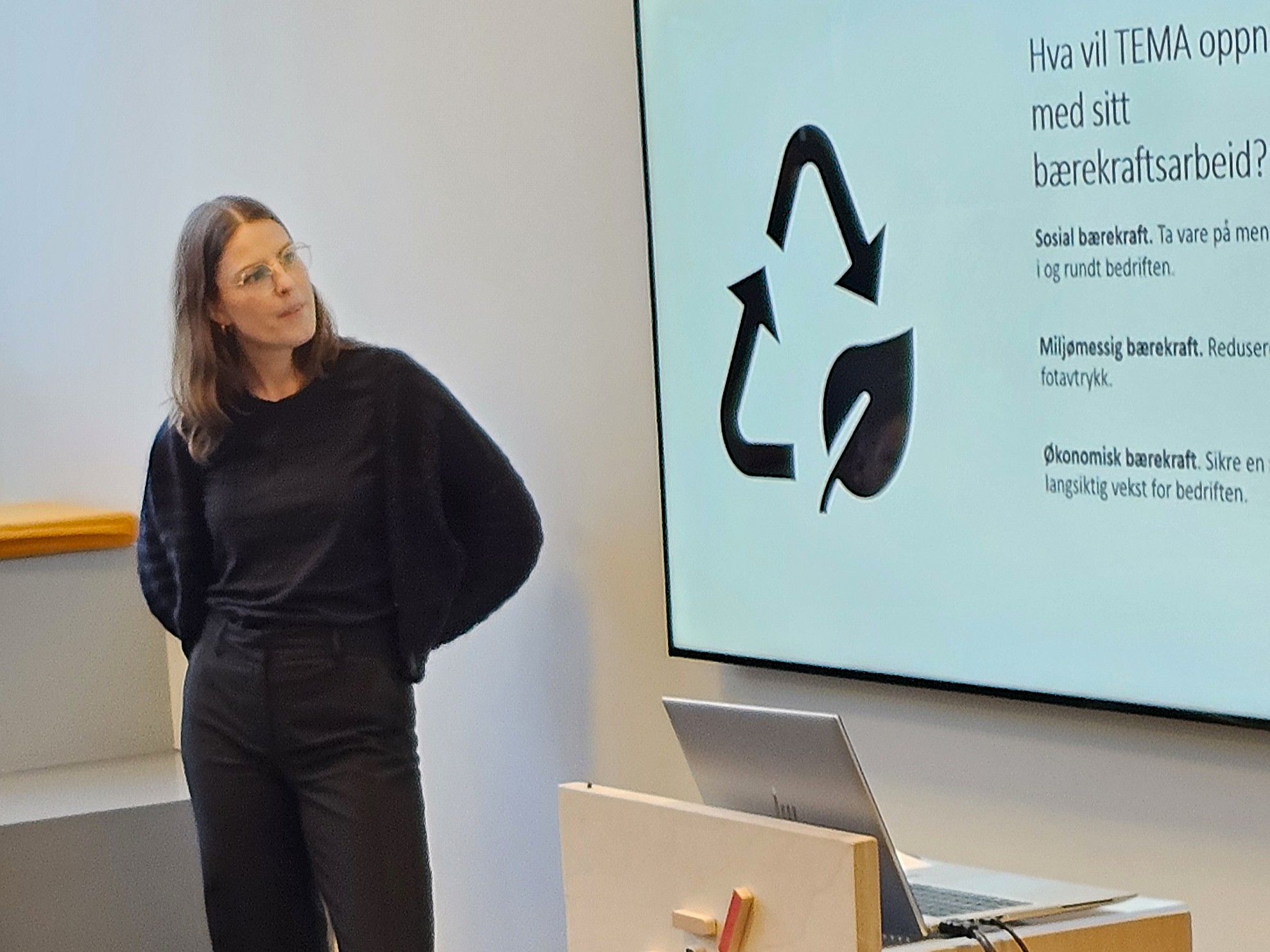
TEMA Eiendom bruker Loopfront for å registrere gjenbrukbare møbler og byggevarer fra egne prosjekter, og målet er at mest mulig skal gjenbrukes. “Vi ser at vi må legge vekt på å markedsføre varene, også internt til våre egne prosjekter – vi må selge dette inn til nye leietakere”, fortalte bærekraftssjef Ingrid Lotterud.
Foto (fra tidligere arrangement): Mari Blokhus Nordtun
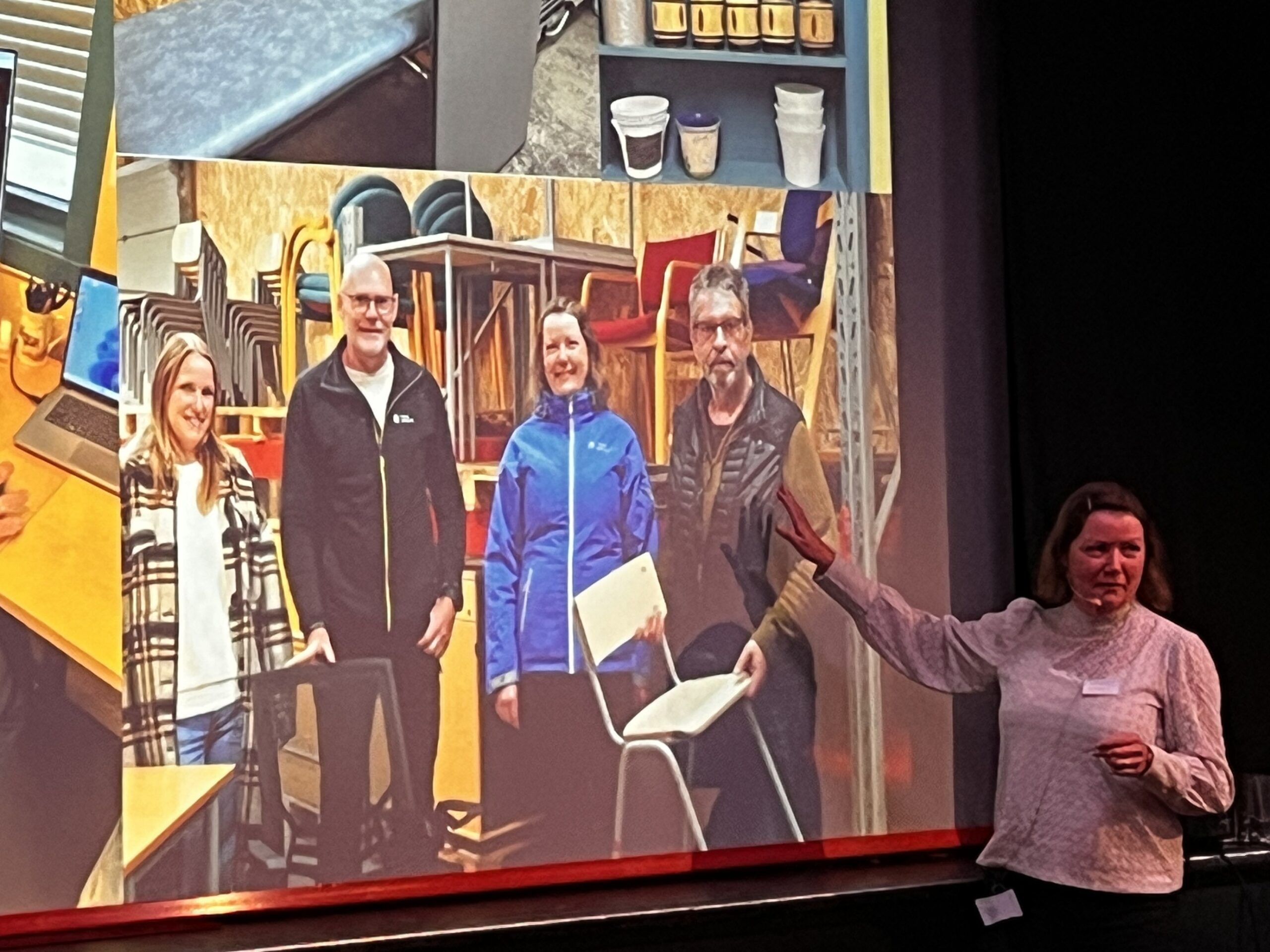
Hamar municipality has 250,000 square meters of buildings, and a lot of furniture and equipment is stored in basements and attics. Hamar has therefore teamed up with neighboring municipalities Ringsaker and Stange to use the app Gjenbrukskommune. They have shared a reuse coordinator and given all employees in the three municipalities access to the app. “In two years, we’ve saved NOK 1.2 million in purchases, as well as 51 tons of CO2 emissions and 216 tons of waste,” said Lise Dufseth Urset.
Photo: Christopher McCormick